Free Fatty acid-induced disruption of hepatic vitamin D metabolism impairs bone homeostasis in an in vitro 3D human liver–bone model - Report - MDSpire
Clinical Report: Disruption of Hepatic Vitamin D Metabolism by Free Fatty Acids
Overview
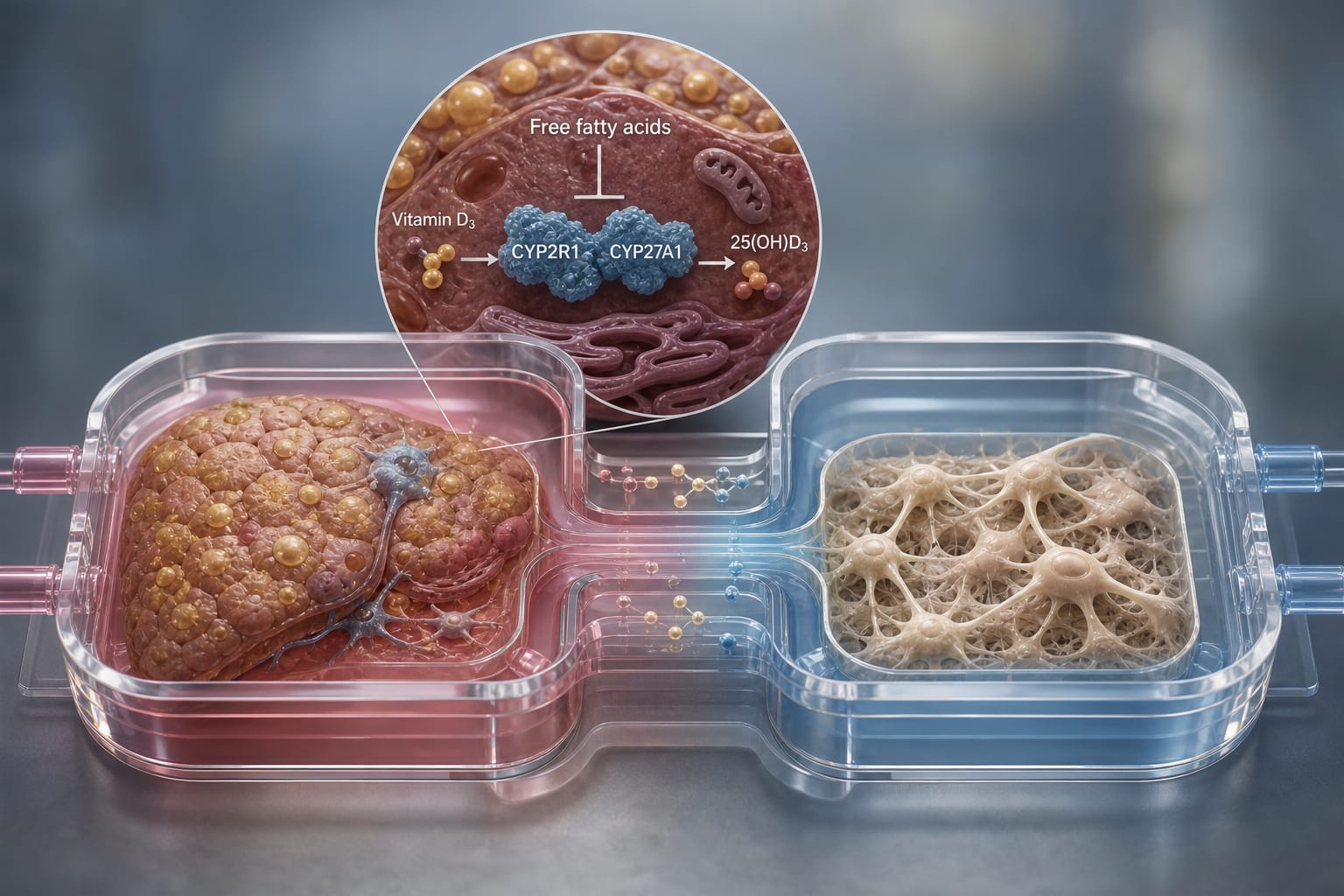
This study investigates the impact of metabolic dysfunction-associated steatotic liver disease (MASLD) on vitamin D metabolism and bone homeostasis using a novel 3D human liver-bone in vitro model. Findings indicate that MASLD disrupts the expression of key enzymes involved in vitamin D metabolism, leading to impaired bone mineralization.
Background
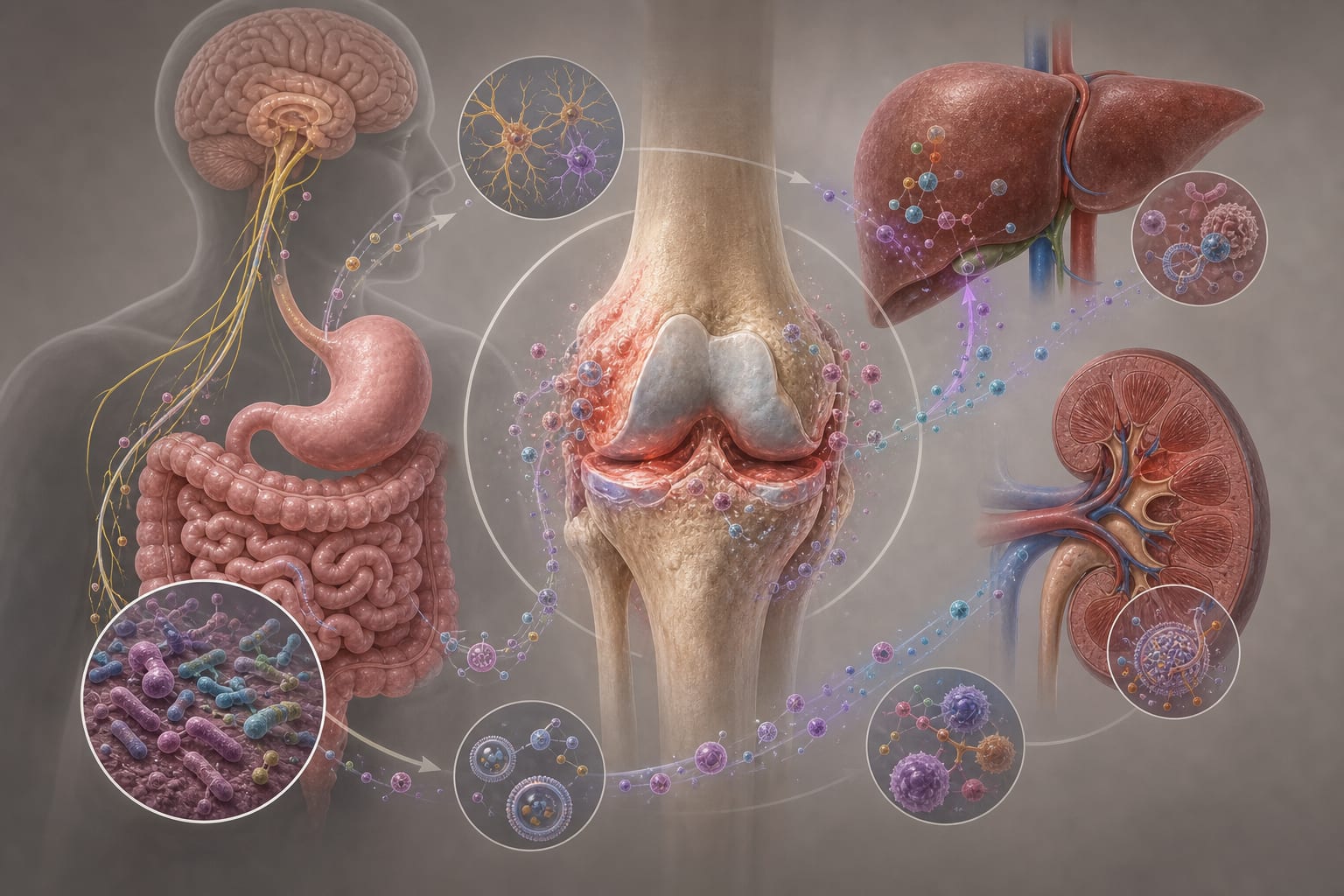
Metabolic dysfunction-associated steatotic liver disease (MASLD) is a prevalent chronic liver condition linked to systemic metabolic disorders. It is associated with vitamin D insufficiency, which correlates with reduced bone mineral density and increased fracture risk. Understanding the interplay between hepatic dysfunction and bone health is crucial for developing effective management strategies for patients with MASLD.
Data Highlights
No numerical data or trial data was provided in the source material.
Key Findings
MASLD is associated with impaired hepatic vitamin D metabolism.
Expression of CYP2R1 and CYP27A1, crucial for vitamin D conversion, is diminished in MASLD.
Vitamin D insufficiency in MASLD patients correlates with increased fracture risk.
The study utilized a 3D human liver-bone model to assess the effects of MASLD on bone health.
Disruption of vitamin D metabolism may contribute to hepatic osteodystrophy in MASLD.
Clinical Implications
Healthcare professionals should consider the implications of MASLD on bone health, particularly the role of vitamin D metabolism. Monitoring vitamin D levels and addressing insufficiency may be important in managing patients with MASLD to mitigate fracture risk.
Conclusion
The findings underscore the need for further research into the mechanisms linking MASLD, vitamin D metabolism, and bone health. This study provides a foundation for exploring therapeutic strategies to improve outcomes in affected patients.
by Mohammad Majd Hammour, Lisa Herzberger, Yuxuan Xin, Guanqiao Chen, Melike Tombaz, Sabrina Ehnert, Fabian Springer, Georg Damm, Massoud Vosough, Jan G. Hengstler, Ursula Müller-Vieira, Andreas K. Nüssler, Romina H. Aspera-Werz