Clinical Report: Evaluating the Role of Artificial Intelligence in Melanoma Diagnosis
Overview
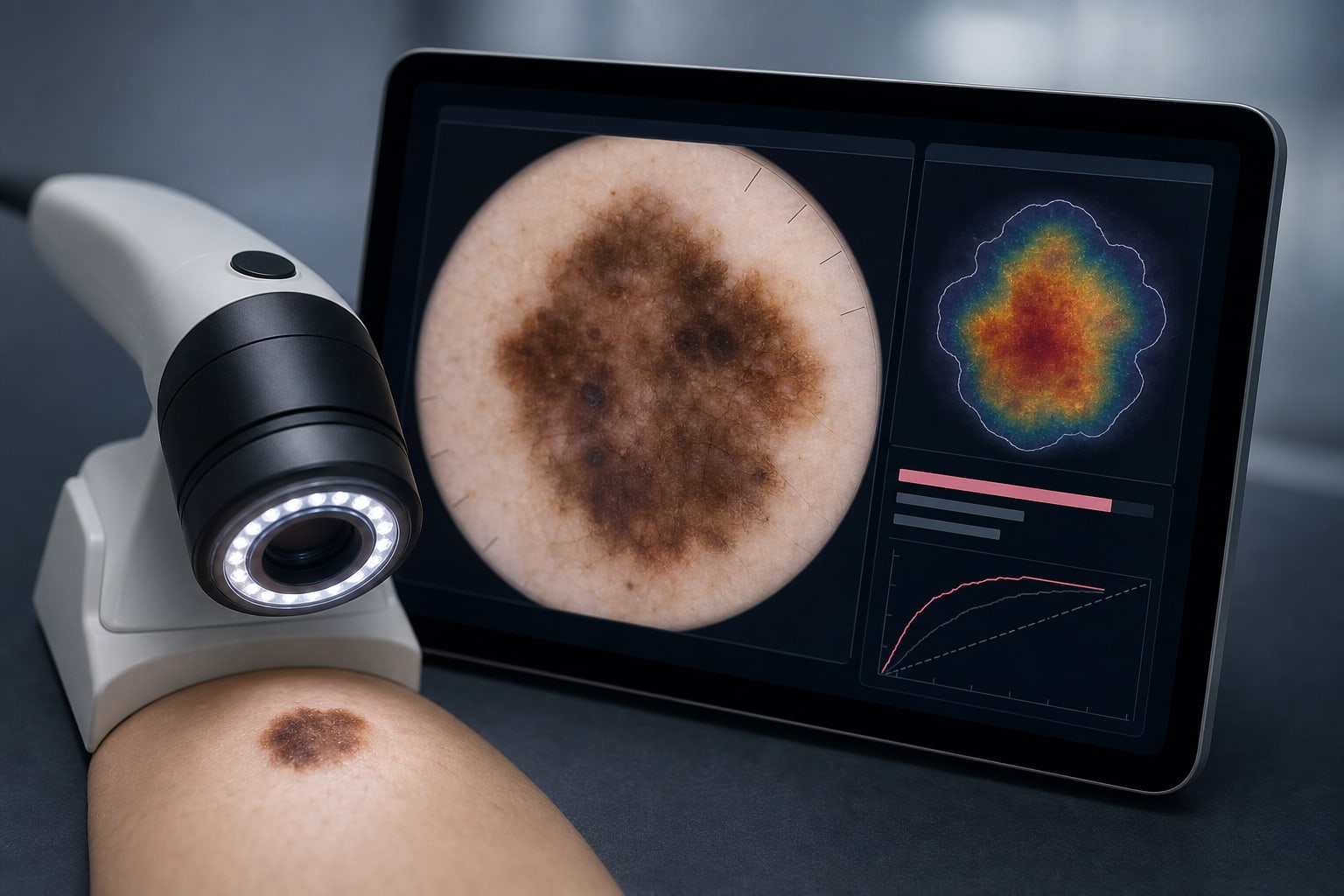
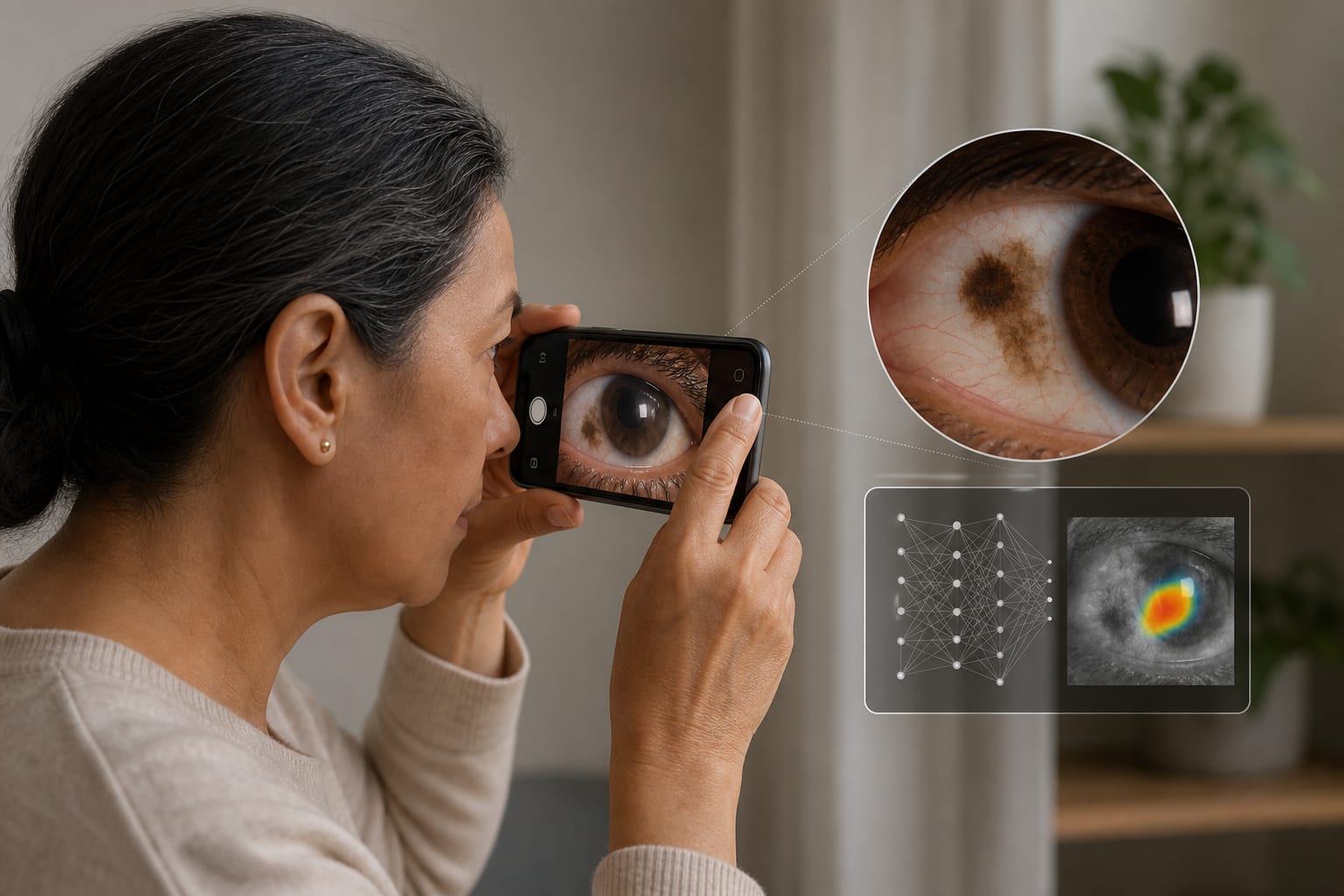
This systematic review and meta-analysis evaluates the diagnostic performance of artificial intelligence (AI) in melanoma detection, comparing it to traditional dermoscopy. The findings suggest that AI can achieve diagnostic accuracy comparable to expert dermatologists, highlighting its potential as a decision-support tool in clinical practice.
Background
Malignant melanoma is a highly aggressive skin cancer where early detection is crucial for improving patient outcomes. Dermoscopy has enhanced diagnostic accuracy compared to visual inspection, yet its effectiveness is influenced by the clinician's experience. The integration of AI into dermatology could potentially standardize and improve diagnostic performance, addressing the limitations of human assessment.
Data Highlights
No numerical data available in the provided source material.
Key Findings
AI systems have shown diagnostic performances comparable to expert dermatologists in melanoma detection.
Most studies on AI performance have been retrospective, raising concerns about generalizability.
This meta-analysis focuses exclusively on prospective studies to provide more clinically relevant evidence.
AI-assisted dermoscopy may enhance diagnostic accuracy, with sensitivity and specificity metrics reported.
Current clinical guidelines still emphasize the role of experienced dermatologists over standalone AI systems.
Clinical Implications
The findings support the potential use of AI as an adjunct to traditional dermoscopy, which may enhance diagnostic accuracy in melanoma detection. Clinicians should remain aware of the evolving role of AI in dermatology while continuing to rely on their expertise and clinical judgment.
Conclusion
This systematic review underscores the promise of AI in improving melanoma diagnosis, though further validation and integration into clinical practice are necessary. Ongoing research will be essential to establish the reliability and effectiveness of AI tools in real-world settings.
by Sara Laiouar-Pedari, Arlene Kühn, Christoph Wies, Carina Nogueira Garcia, Jana Therés Winterstein, Lukas Heinlein, Annemarie Hoffsommer, Tirtha Chanda, Sarah Haggenmüller, Titus J. Brinker
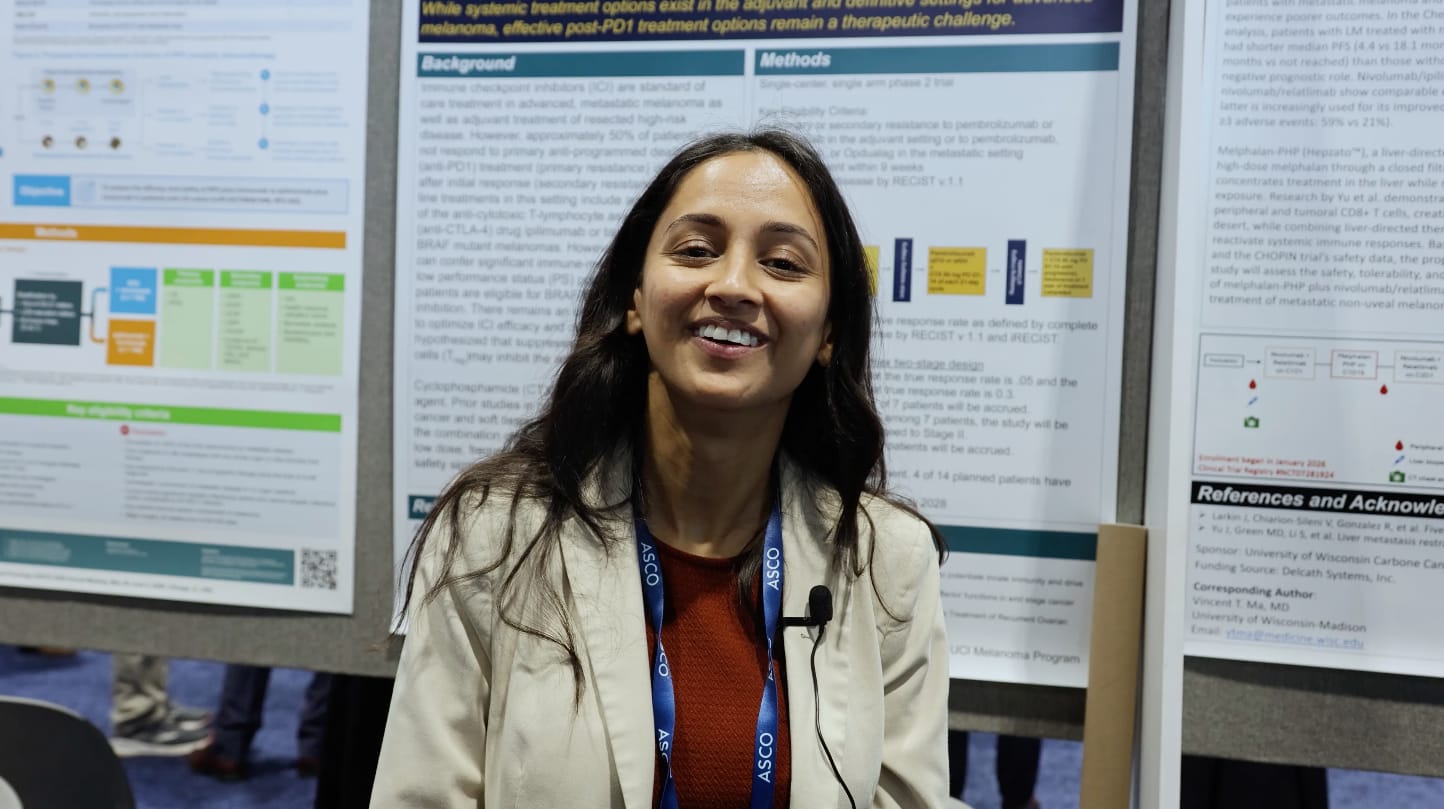
UCI Health medical oncologist Poorva Vaidya, MD is currently offering a new clinical trial sponsored by the UC Irvine Anti-Cancer Challenge, and lead by Warren Chow, MD, aimed at tackling a persistent challenge in melanoma care if patients fail first-line immunotherapy.
Ocular tumor coding can be challenging because ocular oncology often involves evolving lesions, diagnostic uncertainty, and terminology that does not always translate cleanly into ICD-10-CM codes. Understanding how to distinguish benign, malignant, in situ, and uncertain histologic behavior neoplasms is essential for accurate coding, medical necessity, and audit defensibility.