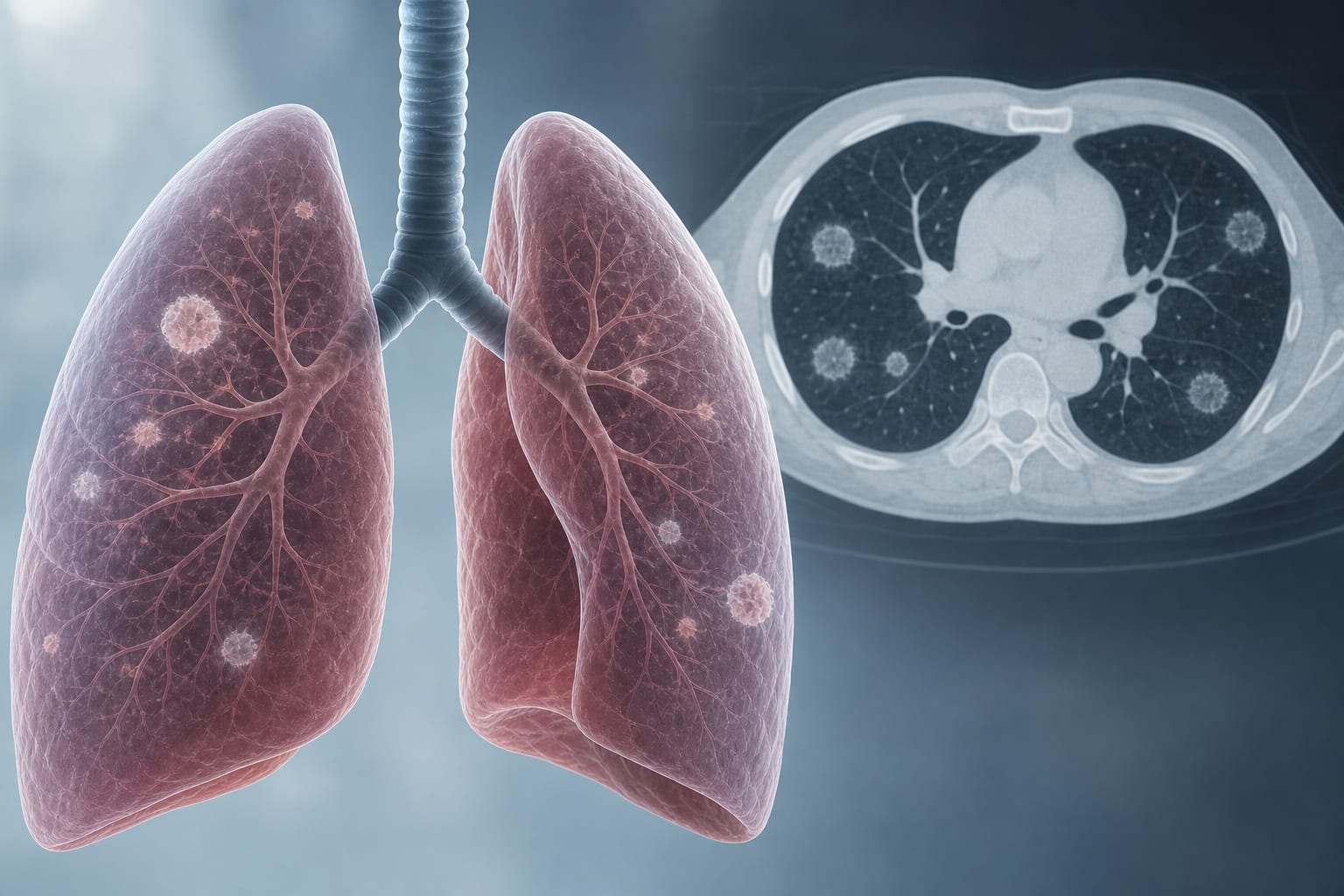
Clinical Report: Integration of Multimodal Data and Machine Learning Techniques
Overview
This study introduces the Multimodal Pulmonary Risk Prediction Network (MPRPN) for early detection and risk assessment of pulmonary diseases in athletes. The model demonstrates superior predictive performance, achieving accuracy improvements up to 89.92%, F1-score of 90.23%, and AUC of 90.47%.
Background
Pulmonary diseases significantly impact athletes' health and performance, making early detection and risk prediction crucial for effective management. The integration of multimodal data, including physiological and environmental factors, enhances the understanding of disease risk. Advanced computational methods, particularly machine learning, are essential for extracting meaningful insights from complex datasets.
Data Highlights
No numerical data table provided in the source material.
Key Findings
The MPRPN model integrates visual, textual, and physiological data for risk prediction.
Adaptive Modality Weighting Strategy (AMWS) dynamically adjusts contributions from different data modalities.
The model outperforms state-of-the-art methods with accuracy up to 89.92% and F1-score of 90.23%.
MPRPN shows strong predictive capability and robustness for early detection of pulmonary diseases in athletes.
Clinical Implications
The MPRPN framework provides a reliable tool for personalized risk assessment of pulmonary diseases in athletes. Its application could enhance early detection strategies in sports medicine and preventive healthcare.
Conclusion
The integration of multimodal data through the MPRPN represents a significant advancement in the early identification of respiratory conditions in athletes, with potential real-world applications.