Surfactant protein D: prognostic insights and emerging therapeutic roles in cancer - Report - MDSpire

Surfactant protein D: prognostic insights and emerging therapeutic roles in cancer

  • By

  • Sharon Ajay Mathew

  • Sushama Rokade

  • K.G. Aghila Rani

  • Hrishikesh Pandit

  • Uday Kishore

  • Taruna Madan

  • July 9, 2026

  • 0 min

Share

Clinical Report: Surfactant Protein D: Insights into Prognosis and Potential Therapeutic Applications in Oncology

Overview

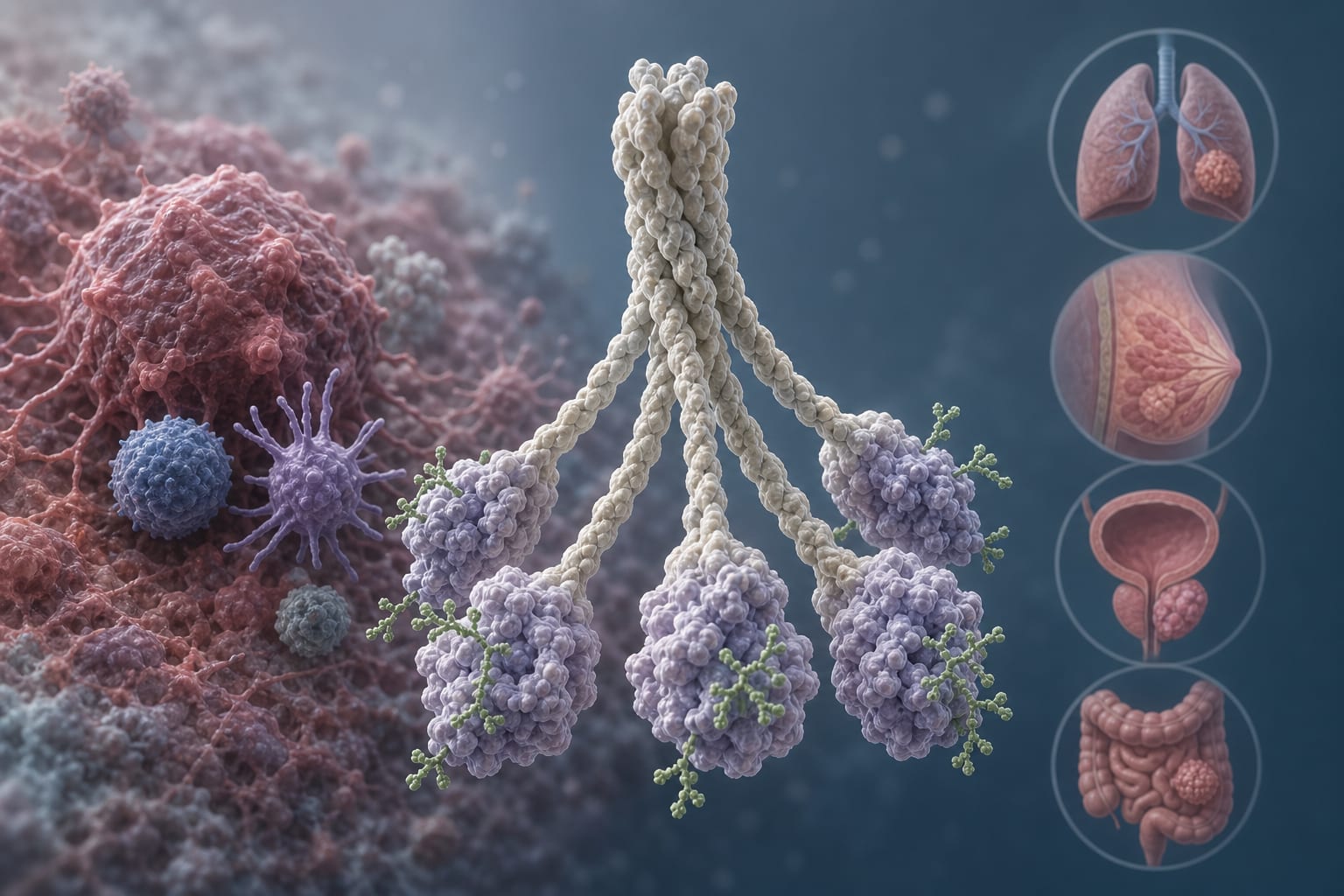
Surfactant protein D (SP-D) is implicated as a prognostic marker in various cancers, including lung and breast cancer.

Background

Surfactant protein D (SP-D) plays a critical role in innate immunity and maintaining lung homeostasis. Its expression in various tissues and association with cancer progression are noted in the literature.

Data Highlights

No numerical or trial data provided in the source material.

Key Findings

  • SP-D is differentially expressed in lung adenocarcinoma and its metastases.
  • SP-D levels in serum and bronchoalveolar lavage can aid in lung cancer diagnosis and risk assessment.
  • SP-D has direct anti-tumor effects in human eosinophilic leukemia and breast cancer cells.
  • SP-D interacts with Epidermal Growth Factor Receptor and Glucose-Related Protein 78, influencing tumor cell apoptosis.
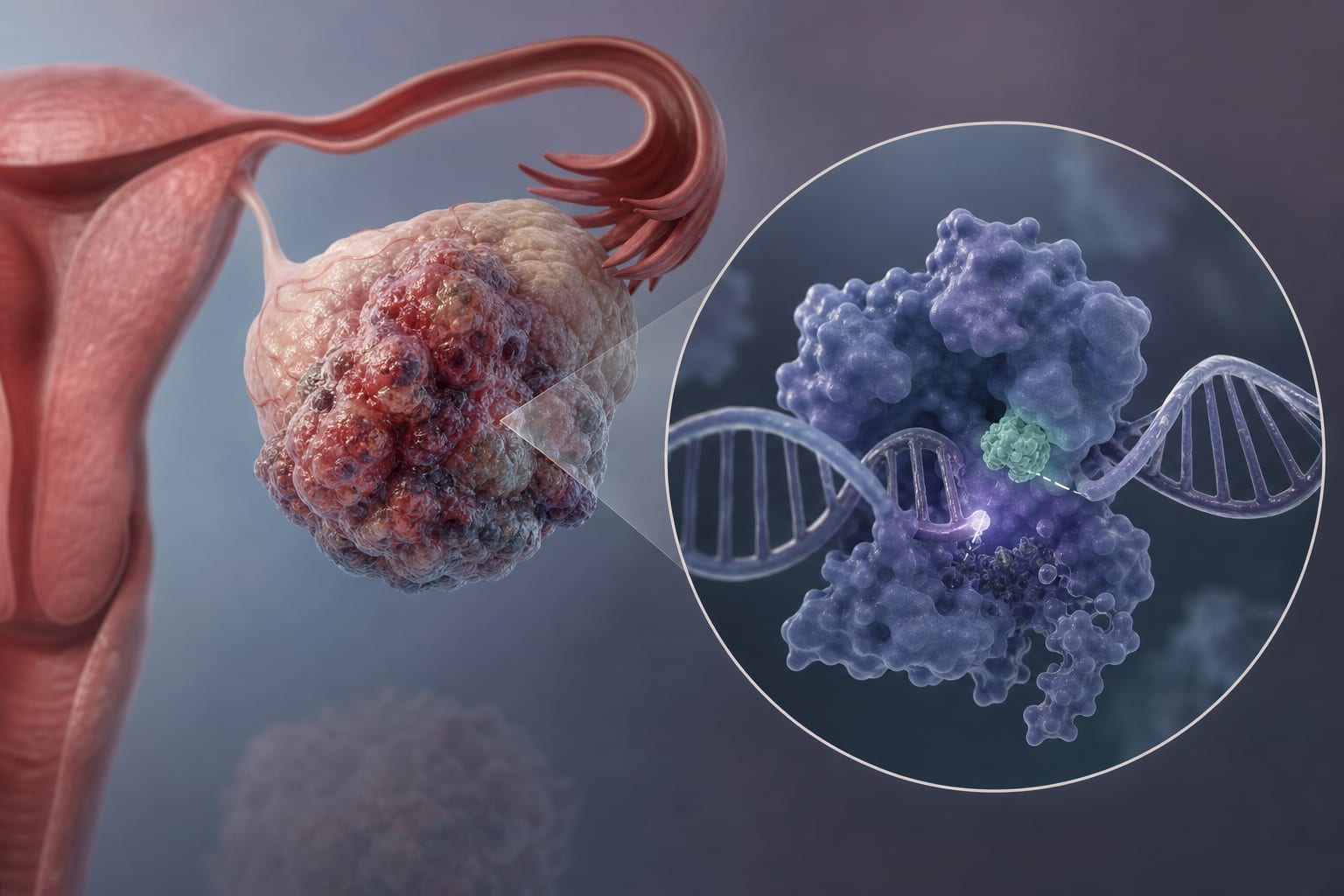
  • Altered expression of SP-D is associated with various malignancies, including pancreatic and ovarian cancers.

Clinical Implications

The identification of SP-D as a prognostic marker may assist clinicians in evaluating cancer progression and patient outcomes.

Conclusion

Surfactant protein D presents a promising area of research in oncology.

Related Resources & Content

  1. Frontiers in Immunology, 2024 -- Revisiting surfactant protein D: an immune surveillance molecule bridging innate and adaptive immunity
  2. Journal of Clinical Oncology, 2024 -- Therapy for Stage IV Non–Small Cell Lung Cancer With Driver Alterations: ASCO Living Guideline, Version 2024.2
  3. Frontiers in Pediatrics — Research progress on biomarkers associated with neonatal respiratory distress syndrome
  4. Intensive Care Medicine — Reduced synthesis of surfactant phosphatidylcholine in neonates with congenital diaphragmatic hernia undergoing extracorporeal membrane oxygenation
  5. Bone Marrow Transplantation — Guidelines from the European Society for Blood and Marrow Transplantation (EBMT) on the Use of Defibrotide to Prevent Sinusoidal Obstruction Syndrome/Veno-Occlusive Disease in High-Risk Pediatric Patients
  6. Frontiers in Immunology — Lung-specific sulfonium lipid nanoparticle formulation of dexamethasone suppresses endotoxin-induced lung inflammation
  7. Therapy for Stage IV Non–Small Cell Lung Cancer With Driver Alterations: ASCO Living Guideline, Version 2024.2 | Journal of Clinical Oncology
  8. Frontiers | Revisiting surfactant protein D: an immune surveillance molecule bridging innate and adaptive immunity
  9. TYPE Systematic Review

Original Source(s)

Related Content