Clinical Report: Pediatric Case Study of MOGAD and Anti-NMDA Encephalitis
Background
The overlap of myelin oligodendrocyte glycoprotein antibody-associated disease (MOGAD) and anti-N-methyl-D-aspartate receptor encephalitis (anti-NMDAR encephalitis) is uncommon in pediatric populations. Early misdiagnosis can lead to delayed immunotherapy, emphasizing the need for careful diagnostic evaluation. Understanding the clinical and imaging features of this overlap is crucial for timely and effective treatment.
Data Highlights
No numerical or trial data presented in the article.
Key Findings
A 16-year-old girl presented with symptoms resembling infectious or vascular disorders.
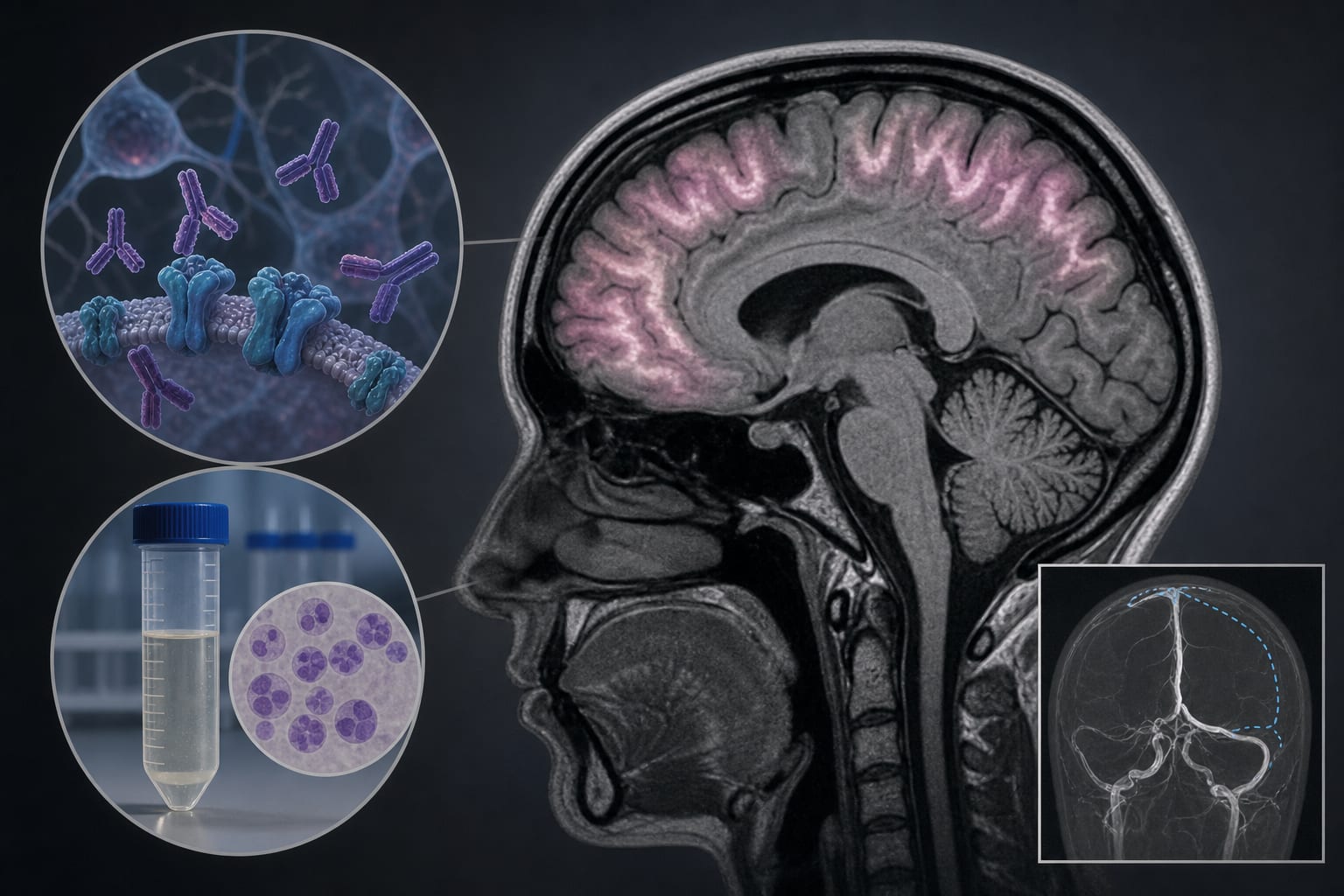
Initial imaging suggested potential cerebral venous sinus thrombosis (CVST), but further review indicated low-flow venous changes instead.
CSF analysis revealed positivity for both anti-NMDAR-IgG and MOG-IgG antibodies.
The patient improved following high-dose corticosteroids and intravenous immunoglobulin treatment.
Longitudinal reassessment was critical in refining the diagnosis and guiding treatment.
Clinical Implications
Clinicians should be aware of the potential for overlapping syndromes in pediatric encephalitis cases. A comprehensive approach, including longitudinal imaging and clinical reassessment, is essential for accurate diagnosis.
Conclusion
This case illustrates the complexity of diagnosing anti-NMDAR encephalitis and the importance of integrating clinical, imaging, and laboratory findings for effective management.