Editorial: Addressing the Challenges of Diabetes Complications and Exploring Innovative Approaches
-
By
-
Khalid Siddiqui
-
Thorsten Siegmund
-
April 29, 2026
-
0 min
Clinical Report: Advances in Understanding and Managing Diabetes Complications
Overview
Diabetes complications continue to cause significant morbidity and mortality despite improved glucose control. Recent research highlights novel biomarkers, precision management strategies, and innovative therapeutic approaches across cardiovascular, renal, retinal, neuropathic, and foot complications.
Background
Diabetes mellitus affects over 589 million adults globally and is associated with both microvascular and macrovascular complications, including nephropathy, retinopathy, neuropathy, and cardiovascular disease. Emerging complications such as cognitive impairment and sarcopenia further increase disease burden. Addressing these challenges requires earlier detection, improved risk prediction, and personalized treatment strategies to reduce long-term impact and improve patient outcomes.
Data Highlights
| Study | Population/Method | Key Findings |
|---|---|---|
| Chen et al. | Cross-sectional, 1,560 patients | Dose-response relationship between TyG index and metabolic syndrome risk |
| Zhang et al. | Global Burden of Disease data (1990-2036) | Trends and projections of diabetic nephropathy burden in China |
| Liu et al. | Systematic review and meta-analysis | ESR diagnostic value and threshold for diabetic foot osteomyelitis |
| Zang et al. | Risk prediction model development | Model for multidrug-resistant organism infection in diabetic foot ulcers |
Key Findings
- The triglyceride-glucose (TyG) index is a cost-effective biomarker linked to hyperuricemia and metabolic syndrome risk in type 2 diabetes.
- Diabetic kidney disease (DKD) affects ~40% of diabetic patients; multimodal frameworks integrating digital phenotypes and biomarkers enable precision management.
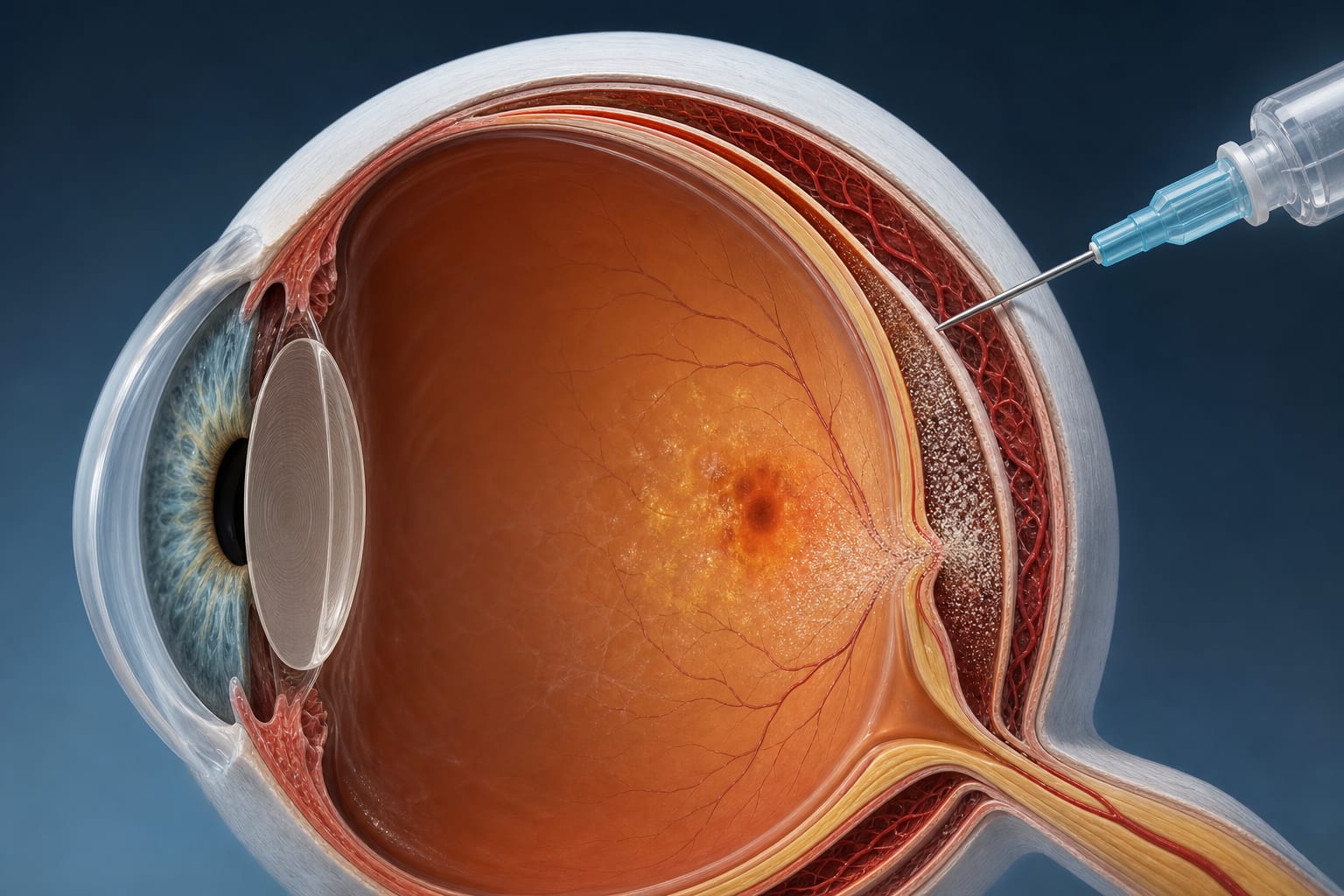
- Anti-inflammatory dexamethasone implants and targeting the PGC-1α/ERR-α pathway show promise in diabetic retinopathy treatment.
- Machine learning models improve early prediction of diabetic peripheral neuropathy, facilitating timely interventions.
- Screening tools for diabetic sarcopenia require standardization to address this underrecognized complication.
- ESR is a valuable diagnostic marker for diabetic foot osteomyelitis; risk models help predict multidrug-resistant infections in diabetic foot ulcers.
Clinical Implications
Incorporating novel biomarkers like the TyG index can enhance cardiovascular risk stratification in diabetes. Precision medicine approaches, including digital phenotyping for DKD, may improve individualized care. Early detection tools leveraging artificial intelligence can facilitate timely management of neuropathy. Clinicians should also be aware of emerging complications such as sarcopenia and utilize evidence-based diagnostic thresholds for diabetic foot infections to optimize outcomes.
Conclusion
This body of research underscores the complexity of diabetes complications and the necessity for integrated, personalized strategies to improve prevention, detection, and treatment. Continued innovation in biomarkers, predictive modeling, and therapeutic interventions holds promise for reducing the global burden of diabetic complications.
References
- Sun et al. -- TyG index and hyperuricemia in type 2 diabetes
- Chen et al. -- TyG index and metabolic syndrome risk
- Li et al. -- Lipid metabolism and ASCVD in diabetic kidney disease
- Meng et al. -- Multimodal framework for DKD precision management
- Zhang et al. -- Epidemiology of diabetic nephropathy in China
- Zhang et al. -- Dexamethasone implants in diabetic retinopathy
- El-Asrar et al. -- PGC-1α/ERR-α pathway in proliferative diabetic retinopathy
- Sun et al. -- Machine learning model for diabetic peripheral neuropathy
- Yin et al. -- Screening tools for diabetic sarcopenia
- Liu et al. -- ESR diagnostic value for diabetic foot osteomyelitis
- Zang et al. -- Risk prediction for multidrug-resistant infections in diabetic foot ulcers
This content is an AI-generated, fully rewritten summary based on a published scholarly article. It does not reproduce the original text and is not a substitute for the original publication. Readers are encouraged to consult the source for full context, data, and methodology.