Optimising the Implementation of Adolescent-Friendly Health Services and Its Effects on Contraceptive Uptake and Adolescent Pregnancy in Rural Mozambique: An Implementation Research Study of the S-NICE Intervention - Report - MDSpire
Conexiant’s news site is now MDSpire News. Learn more
Advertisement
Enhancing Adolescent-Friendly Health Service Delivery and Its Impact on Contraceptive Use and Teen Pregnancy Rates in Rural Mozambique: An Evaluation of the S-NICE Intervention
Clinical Report: Enhancing Adolescent-Friendly Health Service Delivery in Mozambique
Overview
The S-NICE intervention in rural Mozambique led to an increase in modern contraceptive use among adolescents and a decrease in adolescent pregnancy rates. Despite these positive trends, statistical significance was not achieved when compared to control facilities.
Background
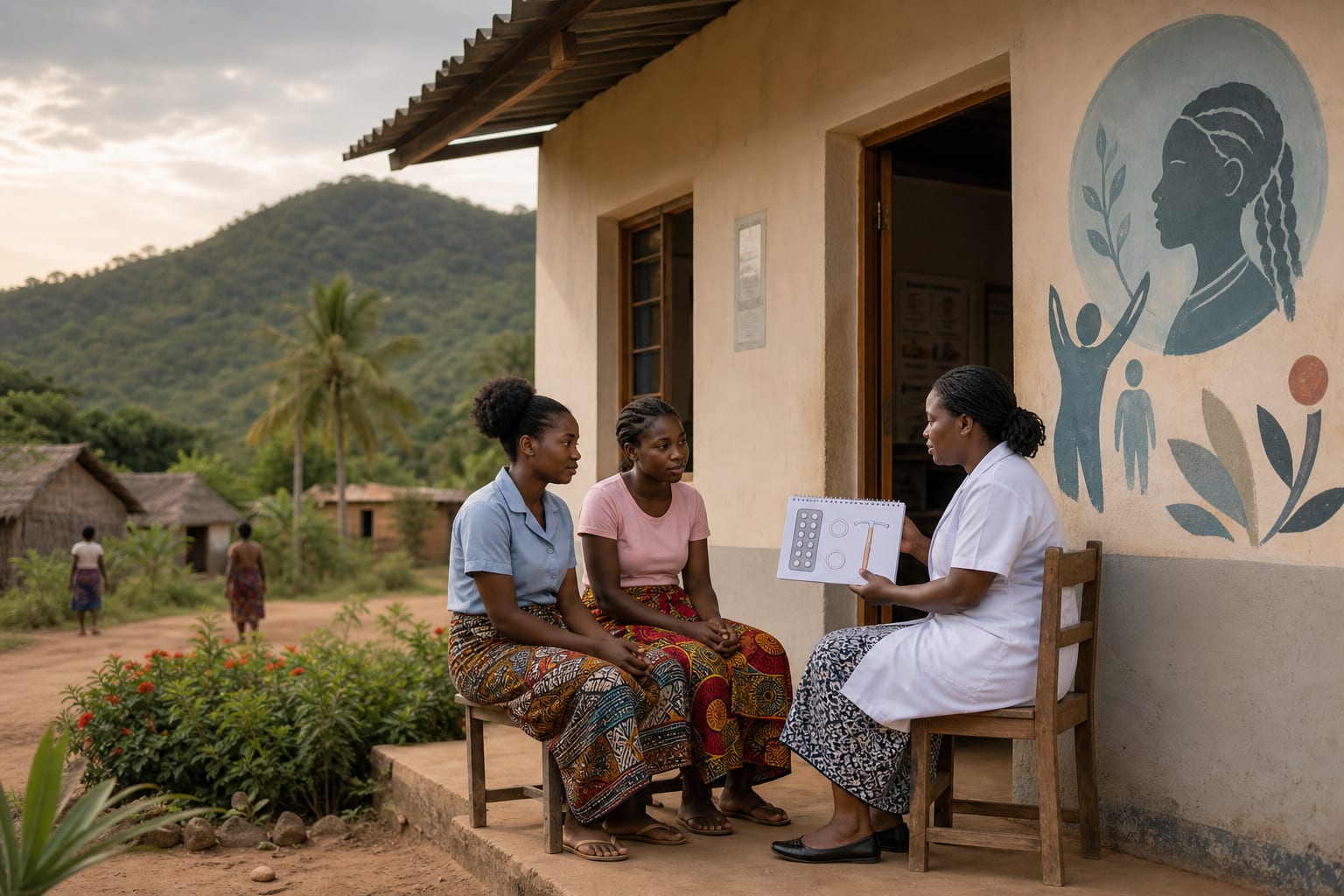
Adolescent sexual and reproductive health remains a critical public health issue, particularly in low-resource settings like Mozambique, where high rates of adolescent pregnancy persist. The S-NICE intervention aims to address implementation gaps in adolescent-friendly health services through structured, data-driven approaches. Understanding the effectiveness of such interventions is essential for improving health outcomes for adolescents.
Data Highlights
{'comparison_facilities': 'Specify the data for comparison facilities.'}
Key Findings
{'statistical_significance': 'Include specific results for comparison with control facilities.'}
Clinical Implications
Healthcare providers should consider implementing structured, data-driven strategies to enhance adolescent-friendly health services. Addressing sociocultural barriers and ensuring stakeholder engagement are crucial for the success of such interventions.
Conclusion
The S-NICE intervention shows promise in improving adolescent sexual and reproductive health outcomes, though further research is needed to establish causal relationships and long-term sustainability.