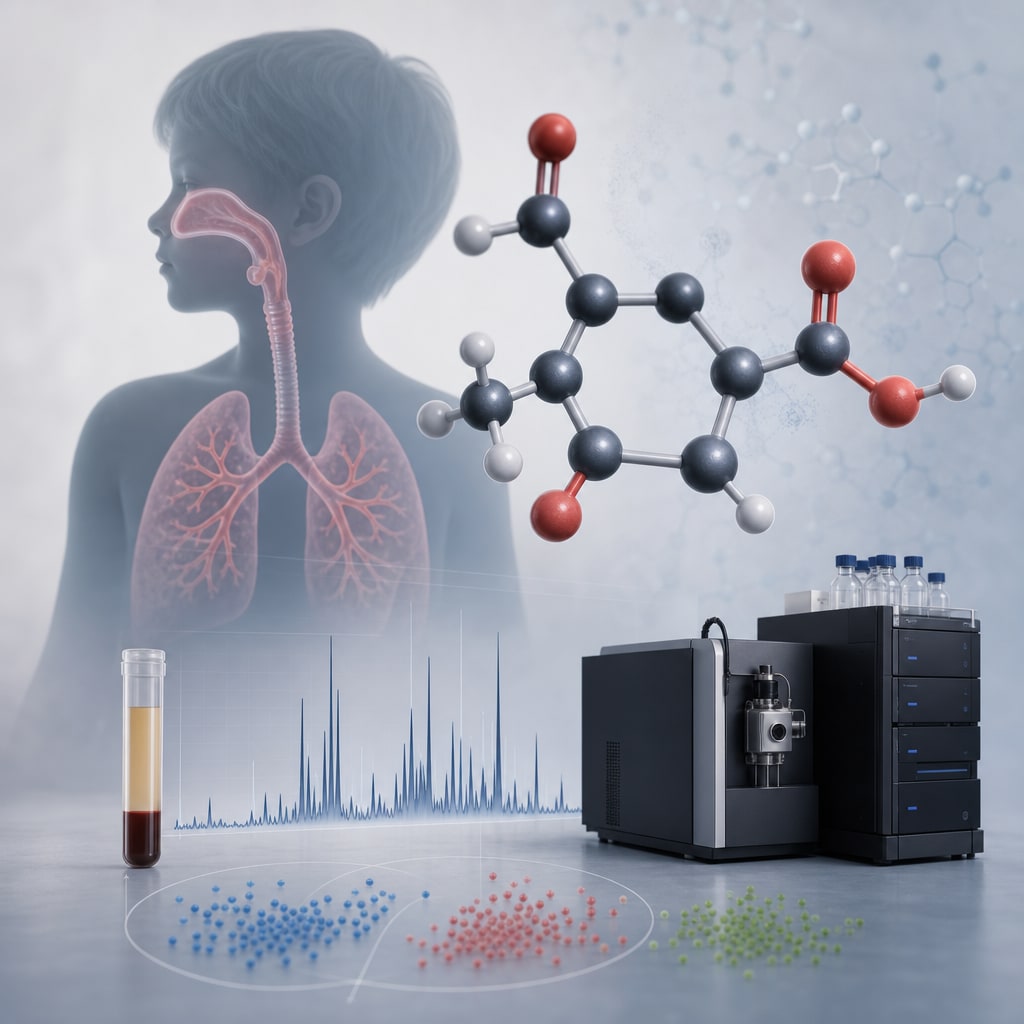
This study identifies distinct metabolite profiles in pediatric patients with allergic rhinitis (AR), asthma, and combined allergic rhinitis and asthma syndrome (CARAS). A total of 100 differentially expressed metabolites were found, with unique alterations specific to each condition, suggesting shared metabolic disturbances and distinct pathophysiological mechanisms.
Background
The rising prevalence of allergic airway diseases (AADs) such as AR and asthma poses significant health challenges globally. These conditions often coexist, complicating diagnosis and treatment. Understanding the metabolic alterations associated with these diseases is crucial for developing targeted therapies and improving patient outcomes.
Data Highlights
Condition
Common Metabolites
Unique Metabolites
Allergic Rhinitis (AR)
100
23
Asthma
100
17
Combined AR and Asthma Syndrome (CARAS)
100
31
Key Findings
Identification of 100 differentially expressed metabolites across AR, asthma, and CARAS.
AR shows localized amino acid perturbations.
Asthma displays systemic lipid remodeling.
CARAS manifests as a distinct comorbid phenotype combining features of both AR and asthma.
Metabolic disturbances may reflect immune dysregulation and gut dysbiosis.
Clinical Implications
The distinct metabolite profiles associated with AR, asthma, and CARAS can aid in the development of targeted diagnostic and therapeutic strategies. Understanding these metabolic pathways may enhance the management of pediatric patients with overlapping allergic conditions.
Conclusion
This study underscores the importance of metabolomic profiling in understanding the pathophysiology of allergic airway diseases in children, potentially guiding future therapeutic approaches.