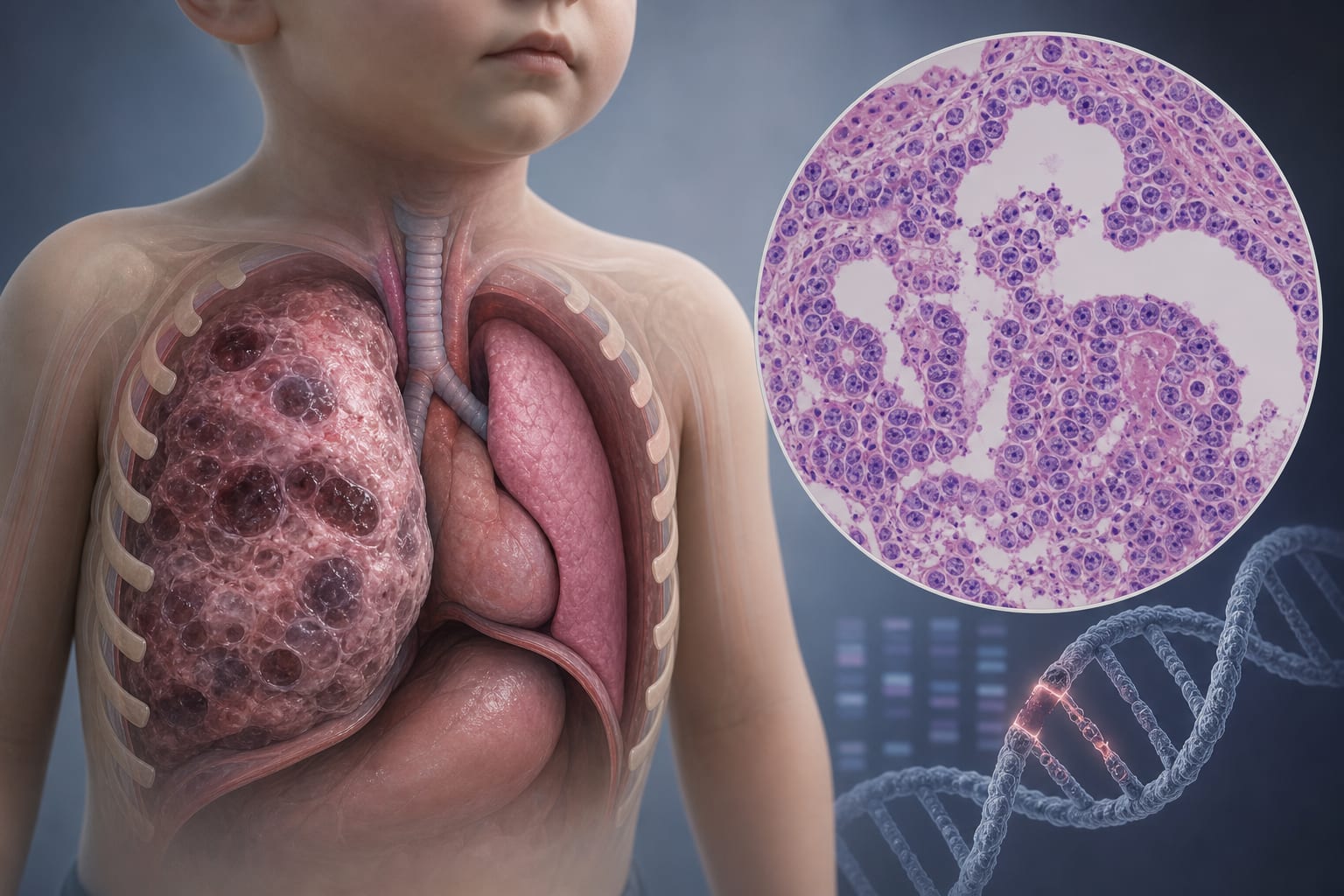
Clinical Report: The Role of the Microbiome, Inflammation, and Immunity in Oral Squamous Cell Carcinoma
Overview
This review highlights the interplay between the microbiome, inflammation, and immunity in the progression of oral squamous cell carcinoma (OSCC). It proposes a 'microbiome-inflammation-immune axis' to better understand these interactions and their implications for clinical practice.
Background
Oral squamous cell carcinoma is the most common malignancy of the head and neck, yet survival rates have not significantly improved. Understanding the molecular mechanisms behind OSCC, particularly the role of inflammation and microbiota, is crucial for developing novel diagnostic and therapeutic strategies. The relationship between chronic inflammation, dysbiosis, and tumorigenesis underscores the need for a comprehensive approach to OSCC management.
Data Highlights
No numerical data provided in the article.
Key Findings
Oral squamous cell carcinoma accounts for approximately 90% of oral cancers.
Chronic inflammation from conditions like periodontitis can promote OSCC progression.
Dysbiosis of the oral microbiota is significantly associated with OSCC development.
Specific microorganisms, such as Porphyromonas intermedia, are enriched in OSCC patients.
Microbiota transplantation studies indicate that microbial composition can influence tumorigenesis.
Clinical Implications
Clinicians should consider the role of oral microbiota and inflammation in OSCC when developing treatment plans. Monitoring peripheral blood inflammatory markers and salivary microbial markers may provide valuable insights for early detection and personalized therapy.
Conclusion
The proposed microbiome-inflammation-immune axis offers a novel framework for understanding OSCC progression and highlights the importance of integrating microbiological and inflammatory assessments into clinical practice.