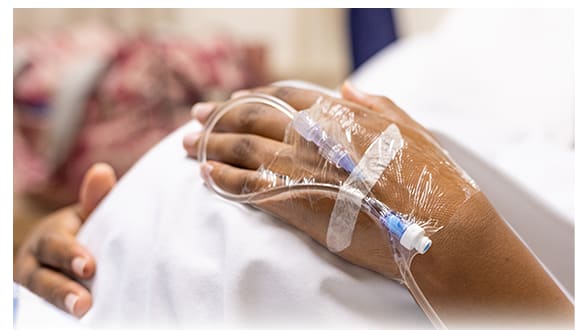
Clinical Report: Impact of Anaesthesia on Tumour Development and Progression
Overview
Anaesthetic techniques, particularly the choice between total intravenous anaesthesia (TIVA) with propofol and inhalational agents like sevoflurane, may influence tumour biology and patient outcomes in cancer surgery. While in vitro and in vivo studies suggest propofol has antitumour and immunoprotective effects, clinical data remain inconclusive with conflicting evidence from retrospective and prospective studies.
Background
Cancer surgery is a critical component of curative treatment for solid tumours, with anaesthesia playing a vital role in enabling these procedures. Modern anaesthesia not only facilitates surgery but may also affect tumour cells, their microenvironment, and the immune response. Propofol and sevoflurane are the most commonly used anaesthetic agents, each with distinct biological effects that could impact tumour progression and patient survival. Understanding these effects is essential to optimize perioperative care and improve oncological outcomes.
Data Highlights
Study Type
Findings
Notes
Meta-analysis (12 studies)
Hazard ratio for all-cause mortality with TIVA: 0.73 (95% CI 0.60–0.89)
Positive trend in colorectal cancer; no significant effect in breast cancer; retrospective design
Large cohort (Japan)
No difference in overall survival; slight improvement in recurrence-free survival with TIVA (HR 0.92, 95% CI 0.87–0.98, p=0.01)
Instrumental variable analysis; digestive cancers
Prospective breast cancer study
Reduced VEGF release with TIVA; no significant difference in short-term survival
No difference in 7-year recurrence rates between TIVA + paravertebral block and sevoflurane + opioids
Large multicentre trial
Key Findings
Propofol exhibits direct antitumour effects by inhibiting proliferation, migration, invasion, and inducing apoptosis via micro-RNA modulation and signalling pathway inhibition.
Propofol enhances chemosensitivity to agents like trastuzumab, paclitaxel, cisplatin, and gemcitabine in various cancers.
In vivo studies show propofol reduces lung metastasis in breast cancer models; sevoflurane may modulate tumour-associated macrophages and PD-L1 expression, suggesting complex immunomodulatory roles.
Retrospective clinical data suggest a survival benefit with TIVA, but prospective trials show mixed results with some indicating no difference in recurrence or survival.
Large randomized controlled trials have not demonstrated a significant difference in long-term cancer recurrence between anaesthetic techniques.
Clinical Implications
Clinicians should be aware that anaesthetic choice may influence tumour biology and immune response during cancer surgery. While propofol-based TIVA shows promising antitumour and immunoprotective effects in preclinical studies, current clinical evidence does not definitively favor one anaesthetic technique over another for improving long-term oncological outcomes. Individual patient factors and surgical context should guide anaesthetic decisions until further high-quality prospective data are available.
Conclusion
Anaesthesia potentially affects tumour progression and patient outcomes through complex biological mechanisms. Despite encouraging preclinical data for propofol, robust clinical evidence remains inconclusive, underscoring the need for further prospective research to clarify the impact of anaesthetic techniques on cancer surgery outcomes.
References
Jin et al. 2019 -- Meta-analysis of TIVA vs inhalational anaesthesia in cancer surgery
Japanese cohort study 2020 -- Impact of anaesthesia on digestive cancer survival
Breast cancer prospective study -- VEGF release and TIVA effects
Lung cancer prospective study -- TIVA and paravertebral block effects
Randomized controlled trial 7-year follow-up -- Breast cancer recurrence and anaesthesia
Colorectal cancer (CRC) impacts about 1 in 13,000 pregnancies in the United States. This article follows the case of a 36-year-old woman diagnosed with CRC while pregnant and highlights considerations around CRC diagnosis and cancer treatment during pregnancy.