Clinical Report: Impact of Bariatric Surgery on New Substance Use Disorders
Overview
This comprehensive review and meta-analysis evaluated the incidence of new onset substance use disorders (SUDNO), excluding alcohol, following bariatric surgery (BS). Findings indicate that BS patients are at increased risk of developing SUDNO, likely due to neurobiological changes and altered substance metabolism post-surgery.
Background
Obesity affects over 1 billion people worldwide and is associated with reward dysfunction, impulsivity, and emotional dysregulation—mechanisms also implicated in addiction. Bariatric surgery is the most effective long-term treatment for severe obesity but may predispose patients to addictive behaviors, including substance use disorders, due to changes in the mesolimbic reward system and altered pharmacokinetics of substances. Understanding the incidence and risk factors for SUDNO after BS is critical for developing preventive clinical guidelines.
Data Highlights
Parameter
Details
Population
Adults ≥18 years undergoing elective bariatric surgery
Outcomes
Incidence of new onset substance use disorders (excluding alcohol) per DSM-5 or ICD-10
Search Strategy
MEDLINE, Scopus, Cochrane databases searched up to October 31, 2023
Study Selection
Included studies with >10 patients, excluded prior SUD, alcohol abuse, non-English, animal studies
Data Extracted
Incidence of SUDNO, patient and surgical characteristics, type of bariatric surgery, type of substance use
Key Findings
Bariatric surgery patients exhibit a measurable incidence of new onset substance use disorders excluding alcohol.
Neurobiological changes post-BS, including altered dopaminergic neurotransmission and reward system activation, contribute to increased addiction vulnerability.
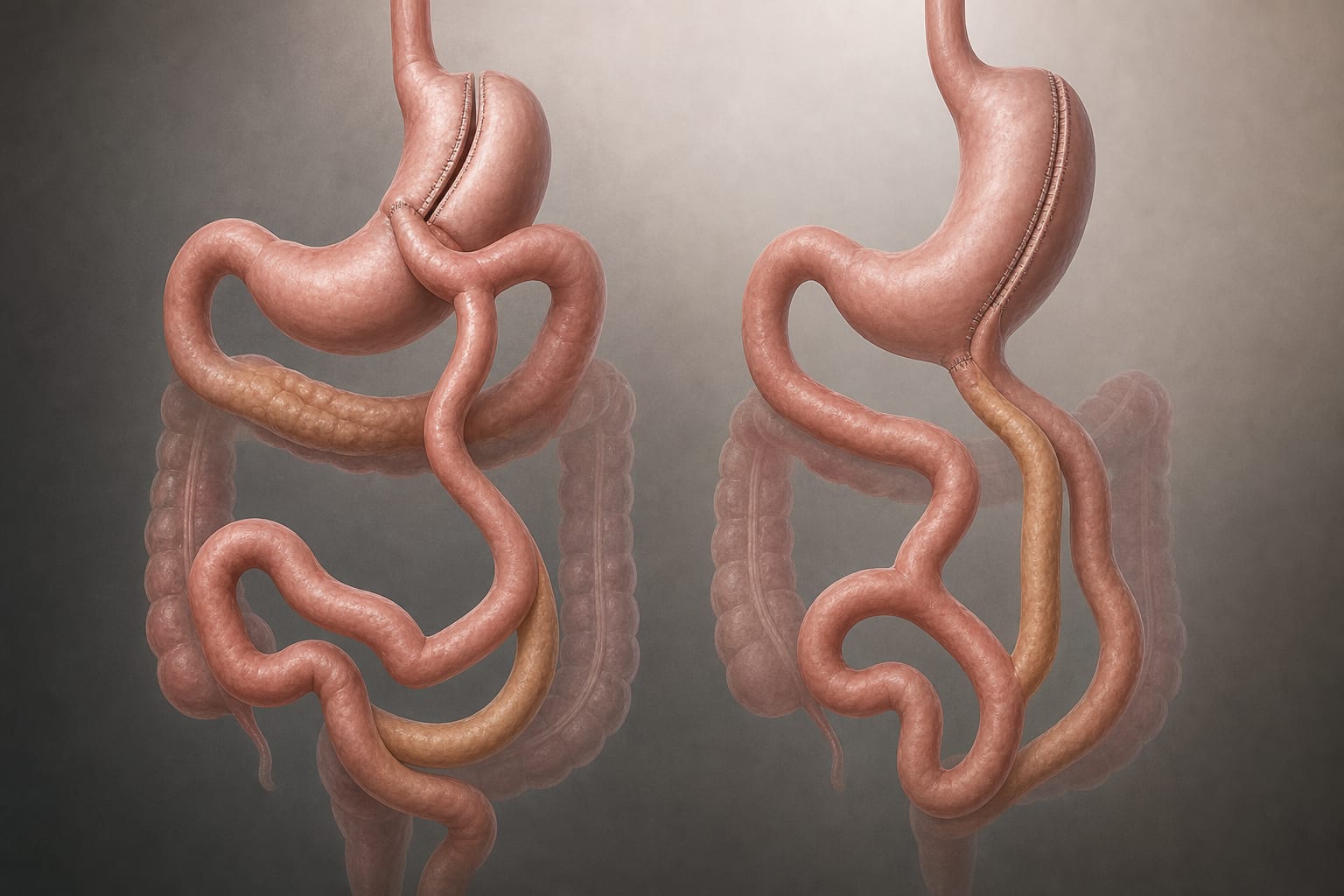
Restrictive and malabsorptive BS techniques modify gastrointestinal anatomy, increasing absorption and bioavailability of psychoactive substances, heightening risk of intoxication and overdose.
Impulsivity and emotional dysregulation common in obesity may persist or worsen post-BS, facilitating maladaptive reward-seeking behaviors.
Current literature on SUDNO post-BS is limited but suggests the need for systematic screening and monitoring of substance use in this population.
Clinical Implications
Clinicians should be vigilant for signs of new substance use disorders in patients following bariatric surgery, given the altered neurobiology and pharmacokinetics that increase addiction risk. Preoperative assessment should include evaluation of addiction risk factors, and postoperative follow-up should incorporate substance use monitoring to enable early intervention. Tailored counseling and multidisciplinary support may mitigate the development of SUDNO in this vulnerable group.
Conclusion
Bariatric surgery, while effective for obesity management, is associated with an increased risk of new onset substance use disorders due to neurobiological and physiological changes. Recognizing and addressing this risk is essential to optimize long-term patient outcomes.
References
WHO/2025 & 2030 Obesity Projections
Addiction Mechanisms in Obesity Pathogenesis
Bariatric Surgery and Substance Use Disorders Risk