Integrating Diverse Evidence and Technological Supports for Adults with Autism: A Framework for Research and Clinical Practice
-
By
-
David Ruttenberg
-
June 4, 2026
Integrating Diverse Evidence and Technological Supports for Adults with Autism
Overview
This article proposes evidential pluralism as a framework for understanding autistic adulthood, emphasizing the integration of various forms of evidence, including neuroscience and lived experience. It highlights the potential of wearable and AI-enabled technologies to support autistic adults while addressing the need for rigorous validation and privacy safeguards.
Background
Autistic adults often face challenges related to the legitimacy of their neurology due to deficit-centric frameworks that prioritize observable impairments. This article argues for a shift towards evidential pluralism, which integrates diverse forms of evidence to better understand and support autistic individuals. Recognizing neurobiological diversity is crucial for addressing the varied needs of autistic adults, particularly those with high support needs.
Data Highlights
No numerical data or trial results were provided in the source material.
Key Findings
- The article introduces evidential pluralism as a framework for understanding autistic adulthood.
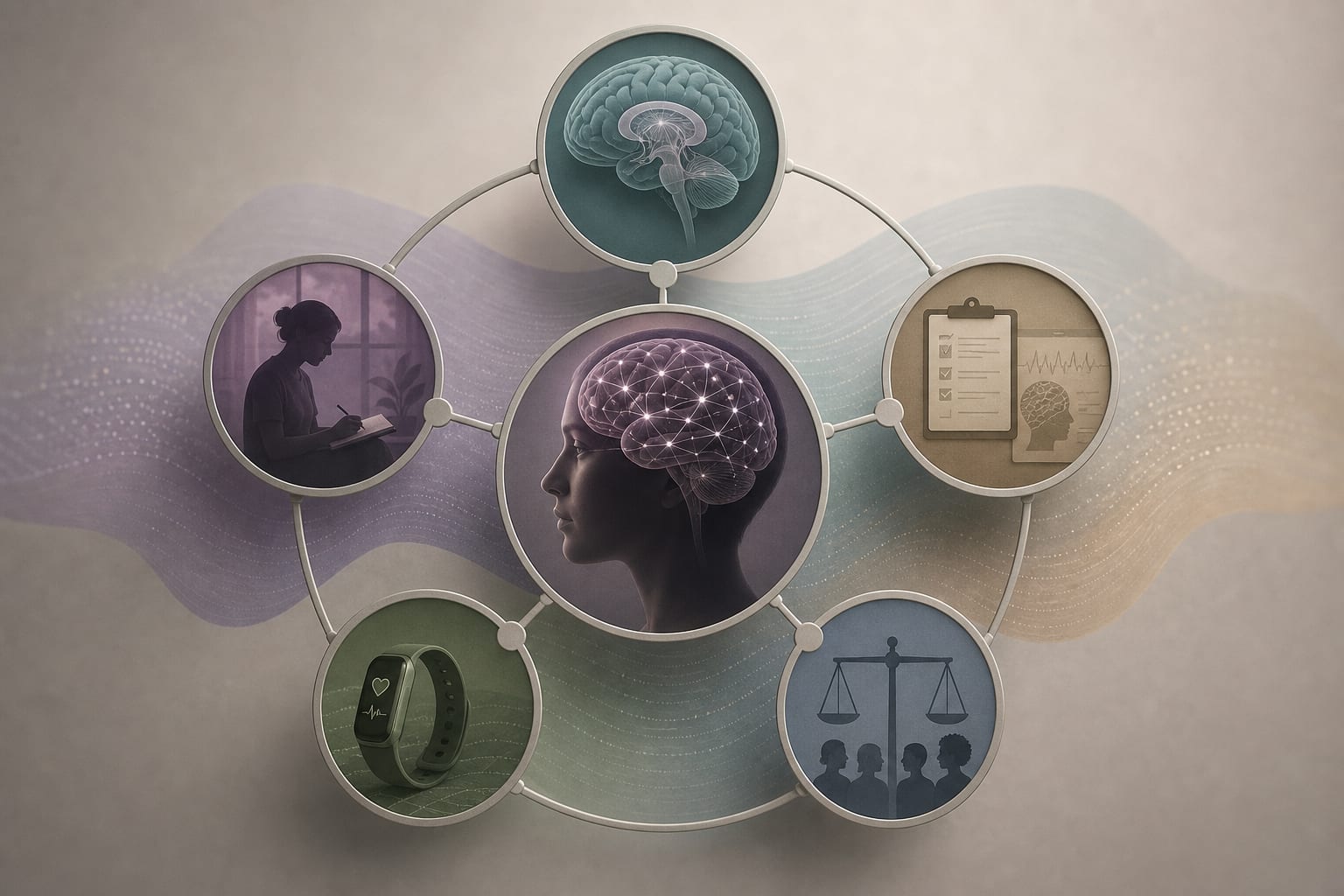
- It identifies five distinct claim types relevant to adult autism research: phenomenological, mechanistic, diagnostic, intervention, and ethical or policy.
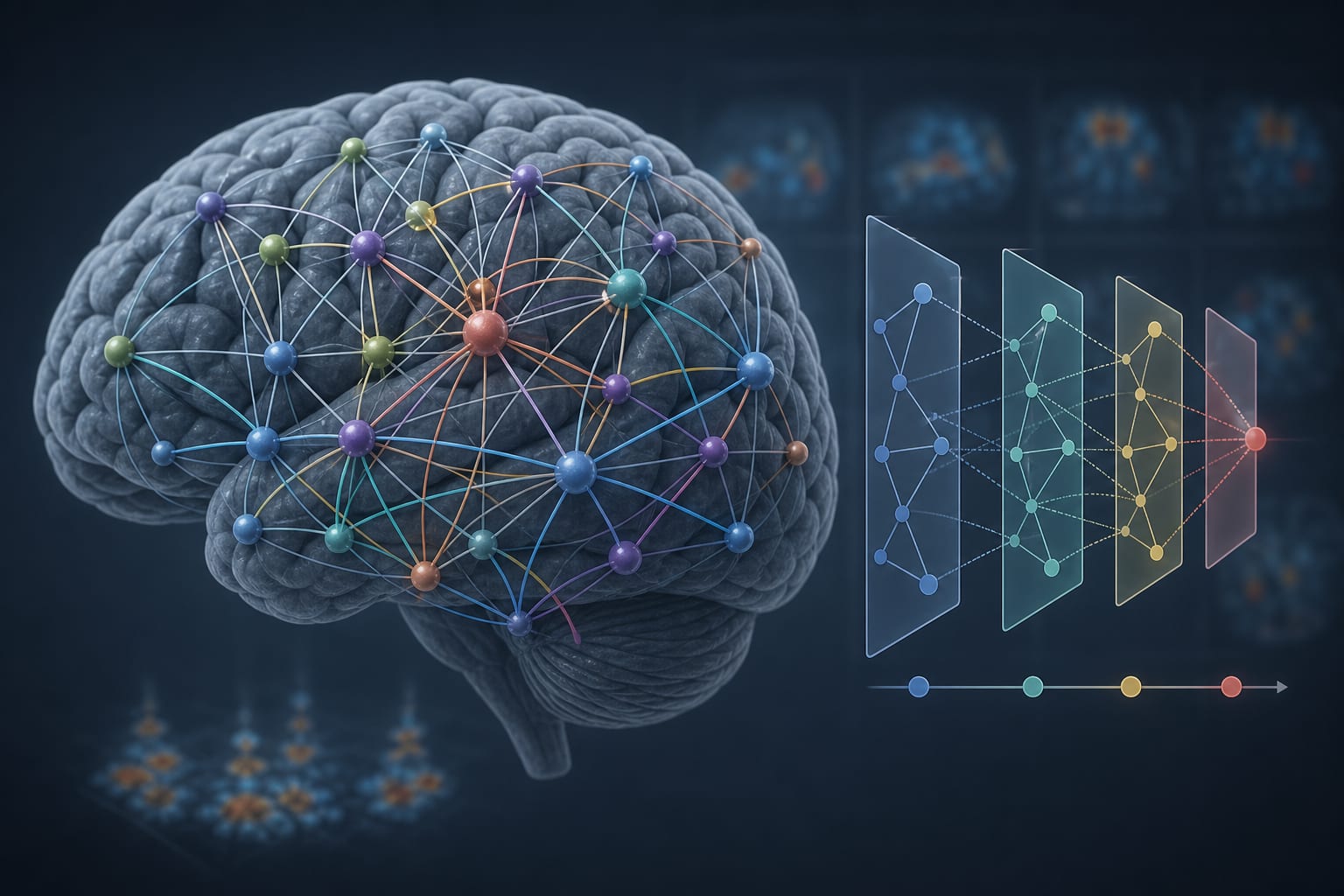
- Converging evidence from various fields, including neuroscience and technology, is essential for a comprehensive understanding of autism.
- Wearable and AI-enabled technologies have the potential to support autistic adults in real time.
- There is a need for rigorous validation and privacy safeguards for technological interventions.
- Accommodations for autistic individuals should be viewed as a matter of rights rather than privileges.
Clinical Implications
The integration of diverse evidence types can enhance the understanding and support of autistic adults in clinical settings. Clinicians should consider the full heterogeneity of autistic adulthood and the potential role of technology in providing real-time support.
Conclusion
Evidential pluralism offers a comprehensive framework for understanding and supporting autistic adults, emphasizing the importance of integrating various forms of evidence and recognizing the rights of individuals.
Related Resources & Content
- Frontiers in Medicine, 2026 -- Theoretical framework of the neuro and psychomotor therapist for developmental age: an Italian perspective for paediatric rehabilitation of neurodevelopmental disabilities
- Frontiers in Psychiatry, 2026 -- Beyond empirically supported treatments: a new contextualized evidence framework for evidence based psychology
- Frontiers in Psychiatry, 2026 -- Outcomes of Academic and Social Participation for Autistic Students in Mainstream Classrooms: Addressing Challenges in Implementing Inclusive Practices to Improve Quality of Life
- BMC Psychiatry (Springer), 2025 -- Evaluating the Impact of AI-Based Interventions on Enhancing Eye Contact in Children with Autism Spectrum Disorder: A Systematic Review
- NICE guideline CG142, September 2025 -- Exceptional surveillance of autism spectrum disorder in adults: diagnosis and management
- Effects of Cognitive Behavioral Therapy in Autistic Adults, 2026 -- A Systematic Review and Meta-Analysis of Randomized Controlled Trials
- Consensus on high-priority outcomes to be used in the evaluation of services for autistic adults: Results from a 'CBPR-Nested Delphi Process'
- September 2025 exceptional surveillance of autism spectrum disorder in adults: diagnosis and management (NICE guideline CG142)
- Effects of Cognitive Behavioral Therapy in Autistic Adults: A Systematic Review and Meta-Analysis of Randomized Controlled Trials - Jesus Perez-Castilla, Carlos H. Contreras-Pizarro, Glauco Valdivieso-Jiménez, Andrea Munoz-Figueroa, Adan V. Sifuentes Montalvo, Alvaro Taype-Rondan, Ana Brañez-Condorena, 2026
- Consensus on high-priority outcomes to be used in the evaluation of services for autistic adults: Results from a "CBPR-Nested Delphi Process" - PubMed
Based on findings from:
Multimodal evidence and technology−enabled accommodations for autistic adults: an evidential framework for autism research and practice
David Ruttenberg. Frontiers In Psychiatry, 2026.
https://www.frontiersin.org/journals/psychiatry/articles/10.3389/fpsyt.2026.1852731/full
This content is an AI-generated, fully rewritten summary based on a published scholarly article. It does not reproduce the original text and is not a substitute for the original publication. Readers are encouraged to consult the source for full context, data, and methodology.