Baicalin suppresses colorectal cancer proliferation and induces M1 polarization of tumor-associated macrophages by promoting proteasomal degradation of HK2 - Report - MDSpire
Advertisement
Baicalin suppresses colorectal cancer proliferation and induces M1 polarization of tumor-associated macrophages by promoting proteasomal degradation of HK2
Baicalin Inhibits Proliferation of Colorectal Cancer Cells
Overview
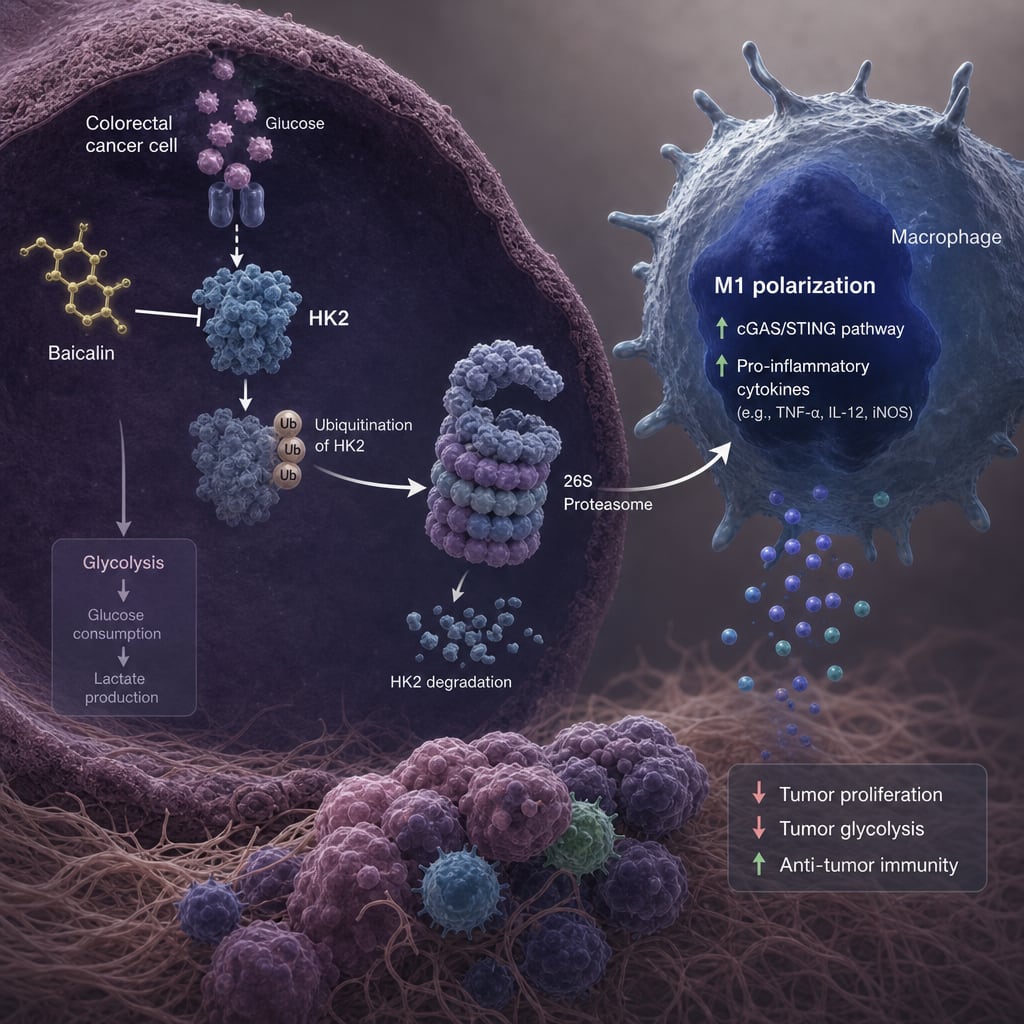
Baicalin, a flavonoid derived from Scutellaria baicalensis, inhibits colorectal cancer cell proliferation by promoting the proteasomal degradation of hexokinase II (HK2). This mechanism also activates the cGAS/STING pathway, leading to M1 macrophage polarization and reshaping the tumor immune microenvironment.
Background
Colorectal cancer (CRC) is a significant global health concern, being the third most diagnosed cancer and the second leading cause of cancer-related deaths. Current treatment options face challenges such as systemic toxicity and drug resistance, highlighting the need for novel therapeutic strategies. Targeting metabolic pathways, particularly glycolysis, is crucial as they play a vital role in tumor progression and survival.
Data Highlights
In vitro studies demonstrated that baicalin significantly suppressed colorectal cancer cell proliferation and colony formation. In an MC38 syngeneic tumor model, baicalin inhibited tumor growth and reduced HK2 protein levels.
Key Findings
Baicalin acts as an HK2 inhibitor, leading to reduced glycolysis in colorectal cancer cells.
It promotes the proteasomal degradation of HK2 through ubiquitination.
Baicalin activates the cGAS/STING signaling pathway, resulting in increased IFN-β production.
The treatment induces M1-like polarization of tumor-associated macrophages.
Baicalin's effects suggest a dual role in targeting tumor metabolism and modulating the immune microenvironment.
Clinical Implications
The findings suggest that baicalin could be a promising therapeutic agent for colorectal cancer by targeting HK2 and altering the tumor immune landscape. This approach may enhance the efficacy of existing treatments and improve patient outcomes.
Conclusion
Baicalin presents a novel strategy for colorectal cancer treatment by inhibiting HK2 and promoting immune modulation, warranting further investigation in clinical settings.