Clinical Report: Infant infections tied to later obesity
Overview
A study found that infants requiring medical care for infections had increased weight gain and higher obesity odds by ages 4-6 and 10-15. The association strengthened with the number of infections.
Background
This study highlights the impact of medically attended infections during infancy on weight outcomes.
Data Highlights
Infection Group
Obesity Rate (Ages 10-15)
Weight Difference (kg)
No infections
20%
-
Untreated infections
24%
0.23 kg
Treated infections
27%
0.46 kg
Key Findings
Children with untreated infections had 9% higher odds of obesity at ages 4-6 and 11% at ages 10-15.
Obesity rates were 20% for no infections, 24% for untreated infections, and 27% for treated infections at ages 10-15.
Children with more than three infections had 30% higher odds of obesity and weighed 1.19 kg more than those with no infections.
Antimicrobial treatment was not significantly linked to increased obesity risk.
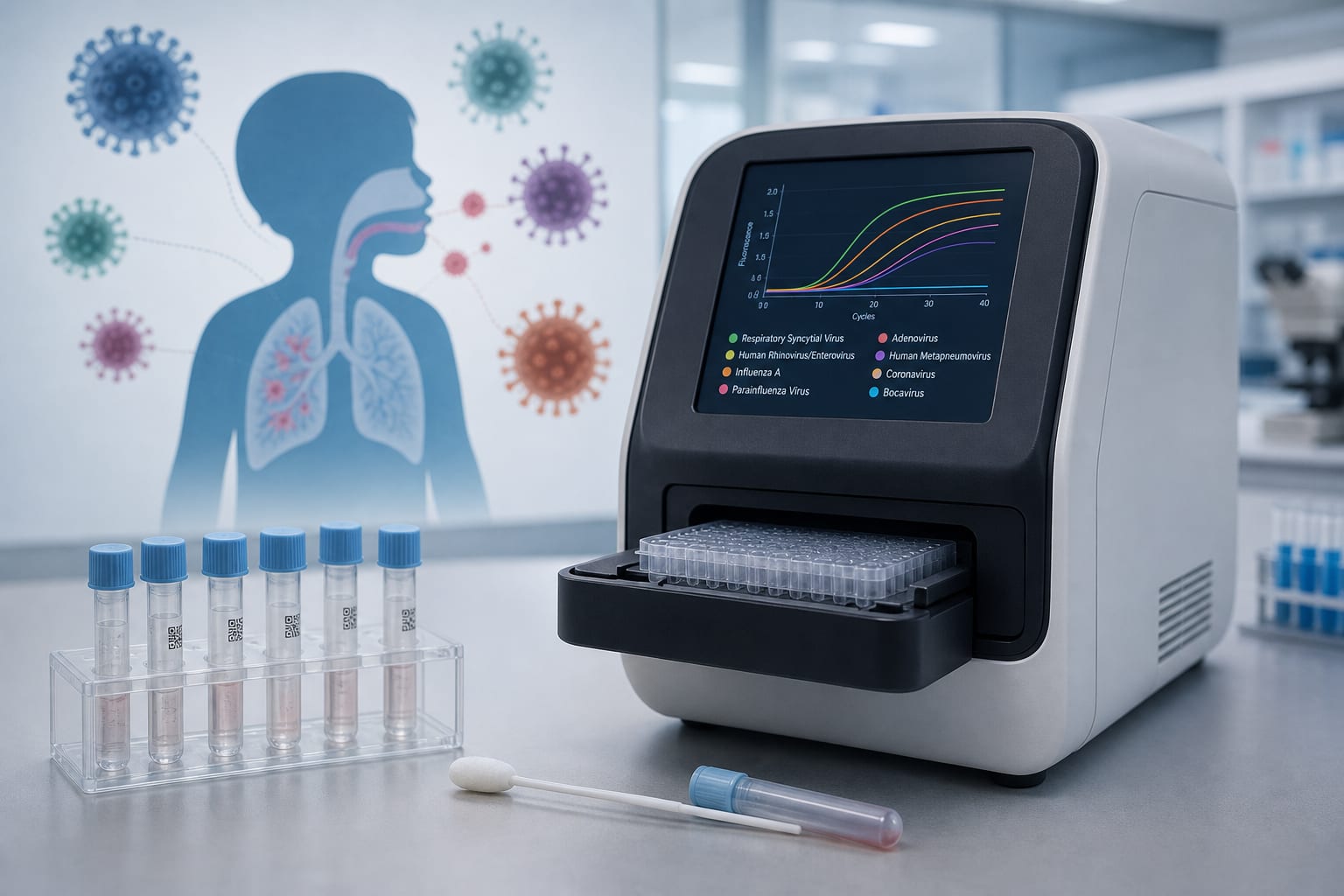
Most infections were viral, particularly upper respiratory infections, bronchiolitis, and ear infections.
Clinical Implications
The findings may prompt further investigation into the mechanisms linking early infections and later weight gain.
Conclusion
The study indicates an association between medically attended infections in infancy and increased obesity risk later in childhood.