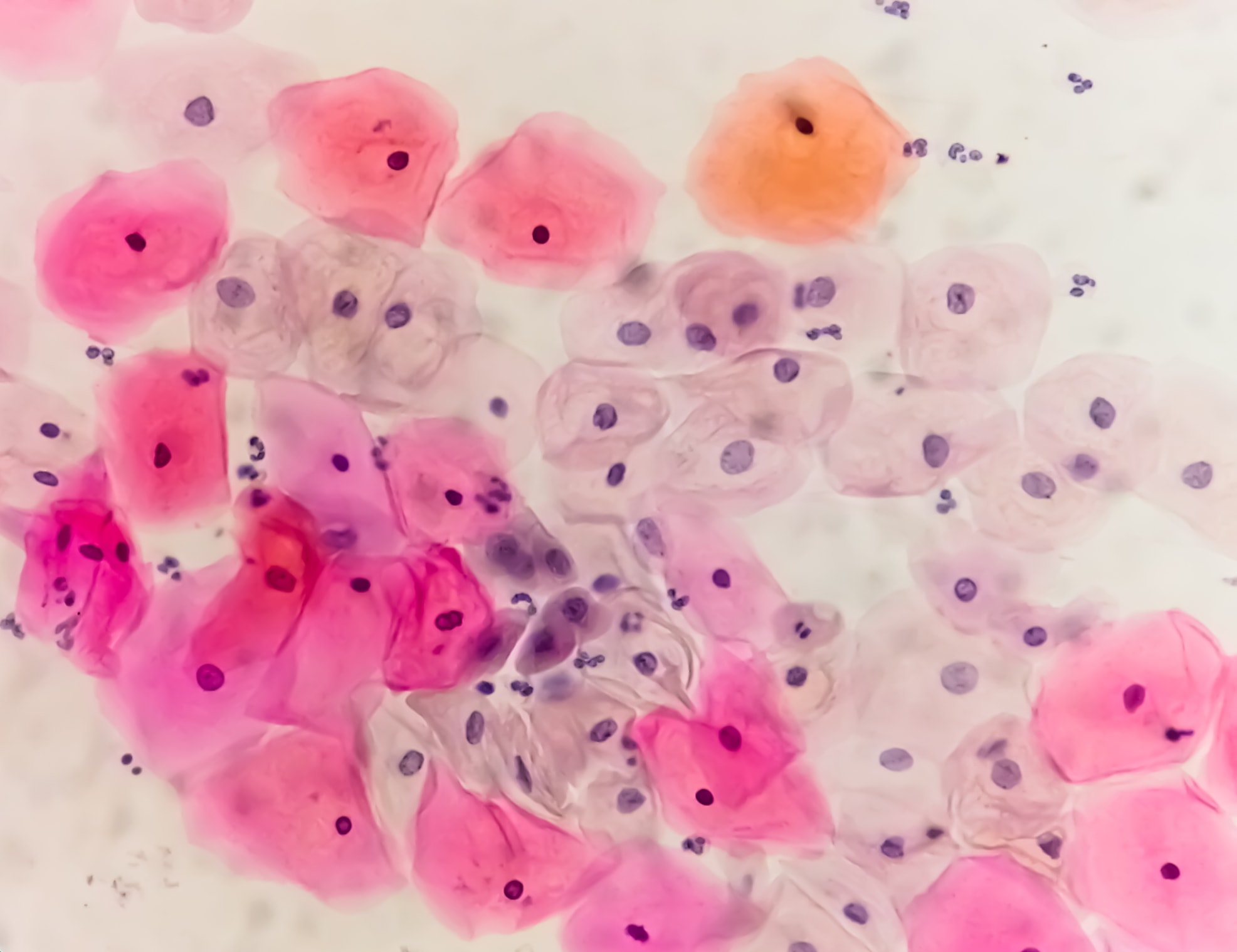
Age Distribution of Causal HPV Infections Leading to CIN2+ in Canadian Women
Overview
This study used a discrete event simulation model to estimate the age at which causal HPV infections leading to cervical intraepithelial neoplasia grade 2 or worse (CIN2+) occur in Canadian women. The model predicted a median age of 24.9 years for causal infection and 29.8 years for CIN2+ diagnosis, with nearly half of causal infections occurring in women older than 26 years.
Background
Cervical cancer, primarily caused by persistent high-risk HPV infection, remains a significant health concern in Canada. HPV vaccination programs target females up to age 26 in many jurisdictions, but not all offer catch-up vaccination beyond this age. Understanding the age distribution of HPV infections that lead to high-grade cervical lesions is critical to inform vaccination policies. Previous US studies suggest a substantial proportion of causal infections occur after age 26, but Canadian data have been lacking.
Data Highlights
Parameter
Value (95% CI)
Median age at causal HPV infection
24.9 years (24.3-26.1)
Median age at CIN2+ diagnosis
29.8 years (28.8-30.6)
% of causal infections in women >18 years
84.1%
% of causal infections in women >26 years
47.1%
Key Findings
The median age of causal HPV infection leading to CIN2+ in Canadian women is approximately 25 years.
The median age at CIN2+ diagnosis is about 30 years, indicating a lag between infection and diagnosis.
Approximately 84% of causal HPV infections occur in women older than 18 years.
Nearly half (47.1%) of causal infections occur in women older than 26 years.
Model results were consistent across 10 independent simulation runs, demonstrating robustness.
Current vaccination programs not covering women beyond age 26 may miss preventing a substantial proportion of causal infections.
Clinical Implications
These findings suggest that extending HPV catch-up vaccination programs beyond age 26 could prevent a significant number of causal HPV infections leading to CIN2+ and potentially reduce cervical cancer incidence. Clinicians and policymakers should consider revising vaccination age limits to include women up to 45 years, aligning with some existing Canadian recommendations. Enhanced screening and vaccination strategies targeting older women may improve cervical cancer prevention.
Conclusion
A substantial proportion of causal HPV infections leading to high-grade cervical lesions occur in women older than 26 years in Canada. Expanding HPV vaccination programs to include women beyond this age could have important public health benefits.
References
Prabhu et al 2023 -- Assessing the Age of HPV Infections Linked to Disease Development Through the Natural Progression of CIN2+ in Canadian Women