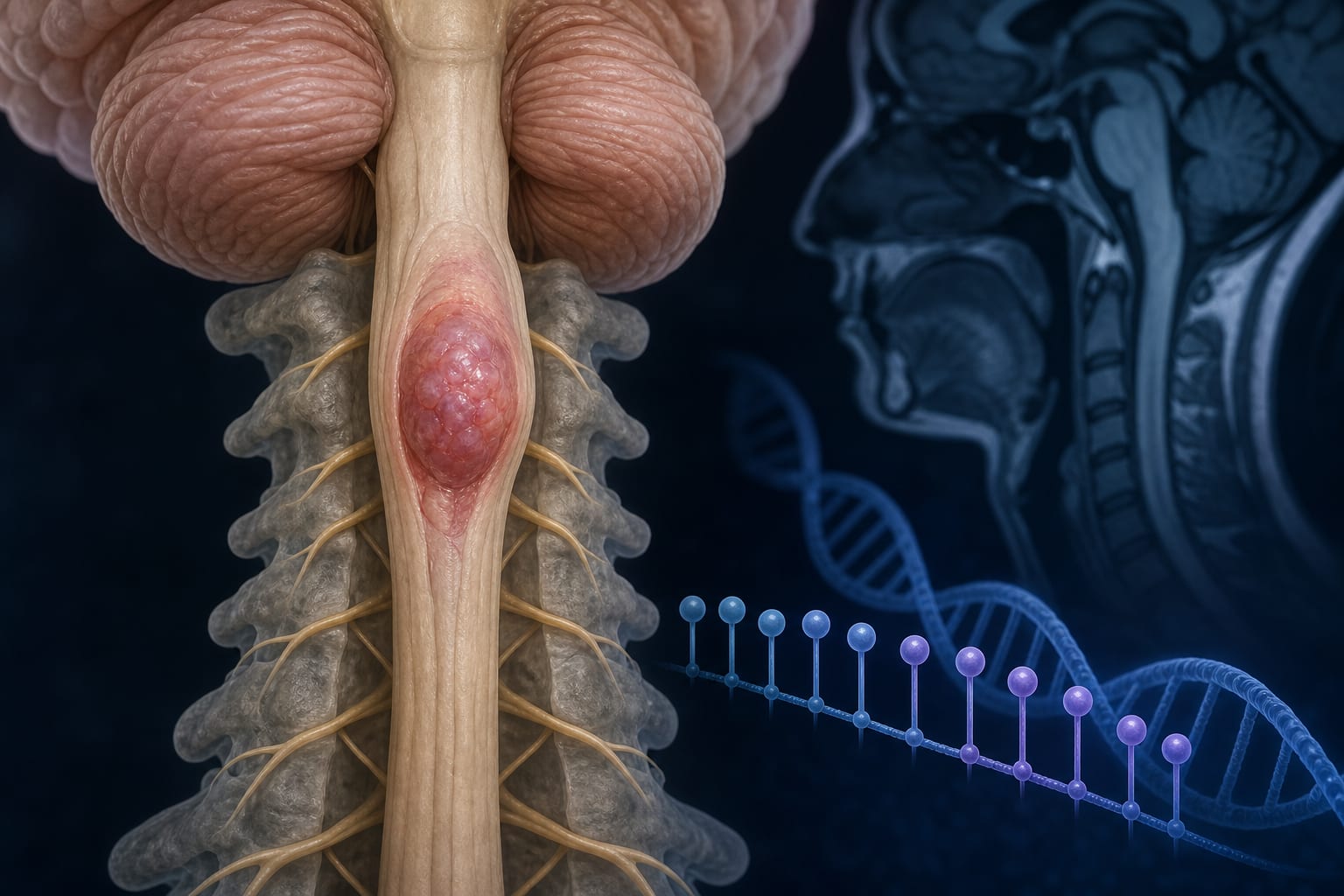
DNA Methylation Alterations Drive Neuroinflammation After CNS Radiotherapy
Overview
Targeted CNS radiotherapy induces significant DNA methylation changes in peri-lesional brain tissue, predominantly hypomethylation, which correlates with altered gene expression and neuroinflammatory microenvironments. These epigenetic modifications are also recapitulated in cerebral organoid models, implicating DNA methylation dysregulation as a key mechanism underlying radiotherapy-induced neurotoxicity.
Background
Radiotherapy is a cornerstone treatment for brain metastases and other focal neurological conditions but is associated with both short- and long-term side effects including neuroinflammation and cognitive impairment. While epigenetic changes in tumor tissue post-radiotherapy are documented, the impact on surrounding non-neoplastic brain tissue remains unclear. Understanding these molecular alterations is critical to developing strategies that protect normal brain tissue without compromising tumor control.
3194 identified; 75% hypomethylated in irradiated tissue
Cellular Composition Changes
Increased microglia/macrophages; decreased peripheral immune and endothelial cells in irradiated samples
Genomic Distribution of DMRs
Enriched in promoters, exons, 5′ UTRs, and intergenic regions; depleted in transposable elements and introns
Key Findings
Distinct DNA methylation profiles differentiate irradiated from non-irradiated peri-lesional brain tissue.
Majority (75%) of differentially methylated regions are hypomethylated following radiotherapy.
Epigenetic changes are enriched in regulatory genomic regions such as promoters and 5′ untranslated regions.
Irradiated tissue shows increased microglia/macrophage infiltration and reduced peripheral immune and endothelial cells.
Similar DNA methylation alterations and neuropeptide upregulation are observed in cerebral organoid models post-irradiation.
Epigenetic dysregulation likely contributes to neuroinflammation and neurotoxicity after CNS radiotherapy.
Clinical Implications
These findings highlight DNA methylation alterations as a mechanistic driver of neuroinflammation and neurotoxicity following targeted CNS radiotherapy. Monitoring epigenetic changes could inform risk stratification for radiotherapy side effects. Furthermore, targeting epigenetic regulators may offer novel therapeutic avenues to mitigate neurotoxic effects while preserving anti-tumor efficacy.
Conclusion
Targeted CNS radiotherapy induces widespread DNA methylation changes that promote neuroinflammatory microenvironments and neurotoxicity. Epigenetic dysregulation represents a promising target to reduce adverse effects of radiotherapy on normal brain tissue.
by Thomas O Millner, Pratistha Panday, Yunchen Xiao, James G Nicholson, James R Boot, Zsharmaine Arpe, Paul A Stevens, Nadia N Rahman, Xinyu Zhang, Charles Mein, Neil Kitchen, Andrew W McEvoy, Edward McKintosh, Grainne S McKenna, Dimitrios Paraskevopoulos, Nicolae Radu Zabet, Rachel Lewis, Sara Badodi, Silvia Marino