Clinical Report: Is Muscle Strength an Underappreciated Factor in Patients with Mild Autonomous Cortisol Secretion?
Overview
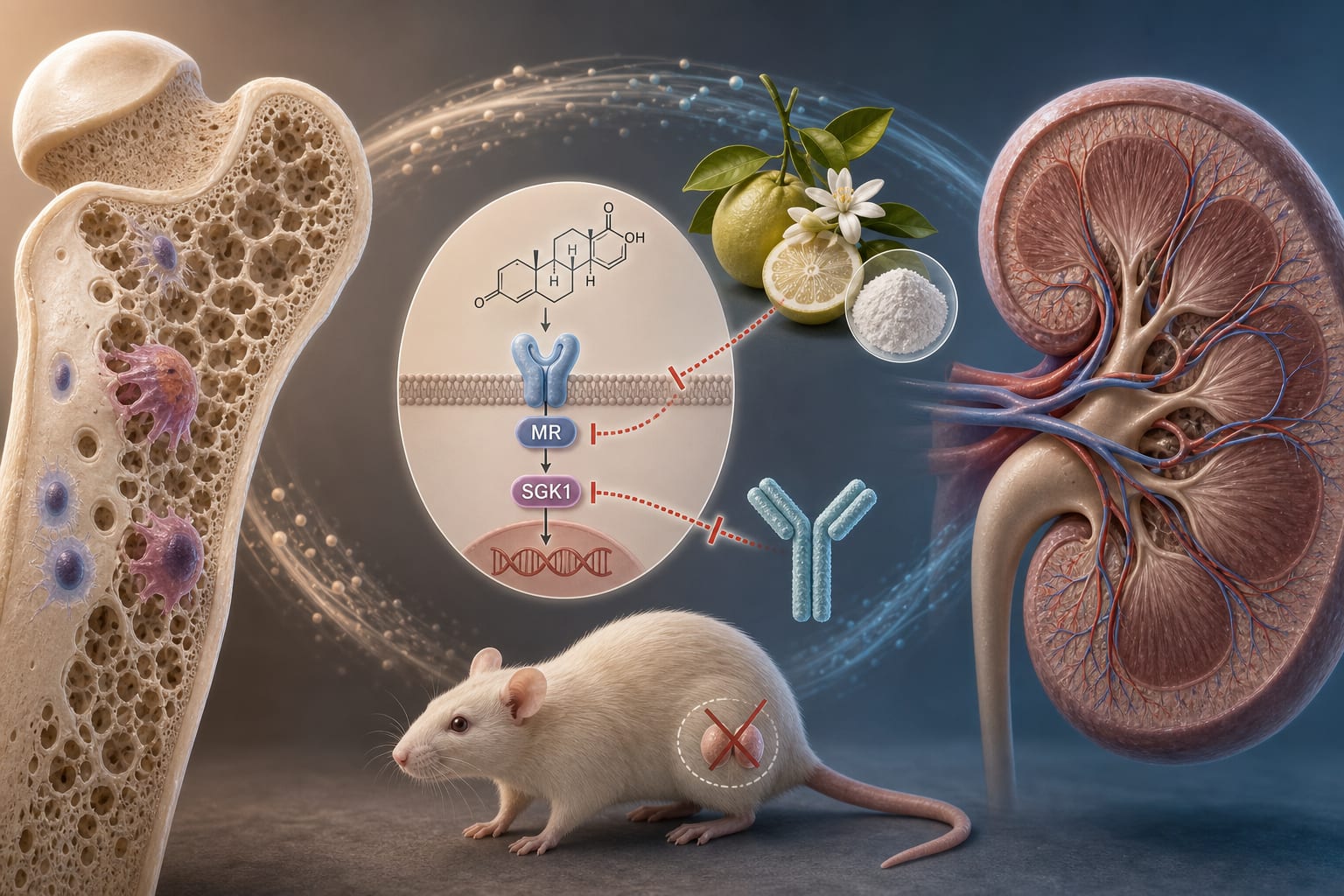
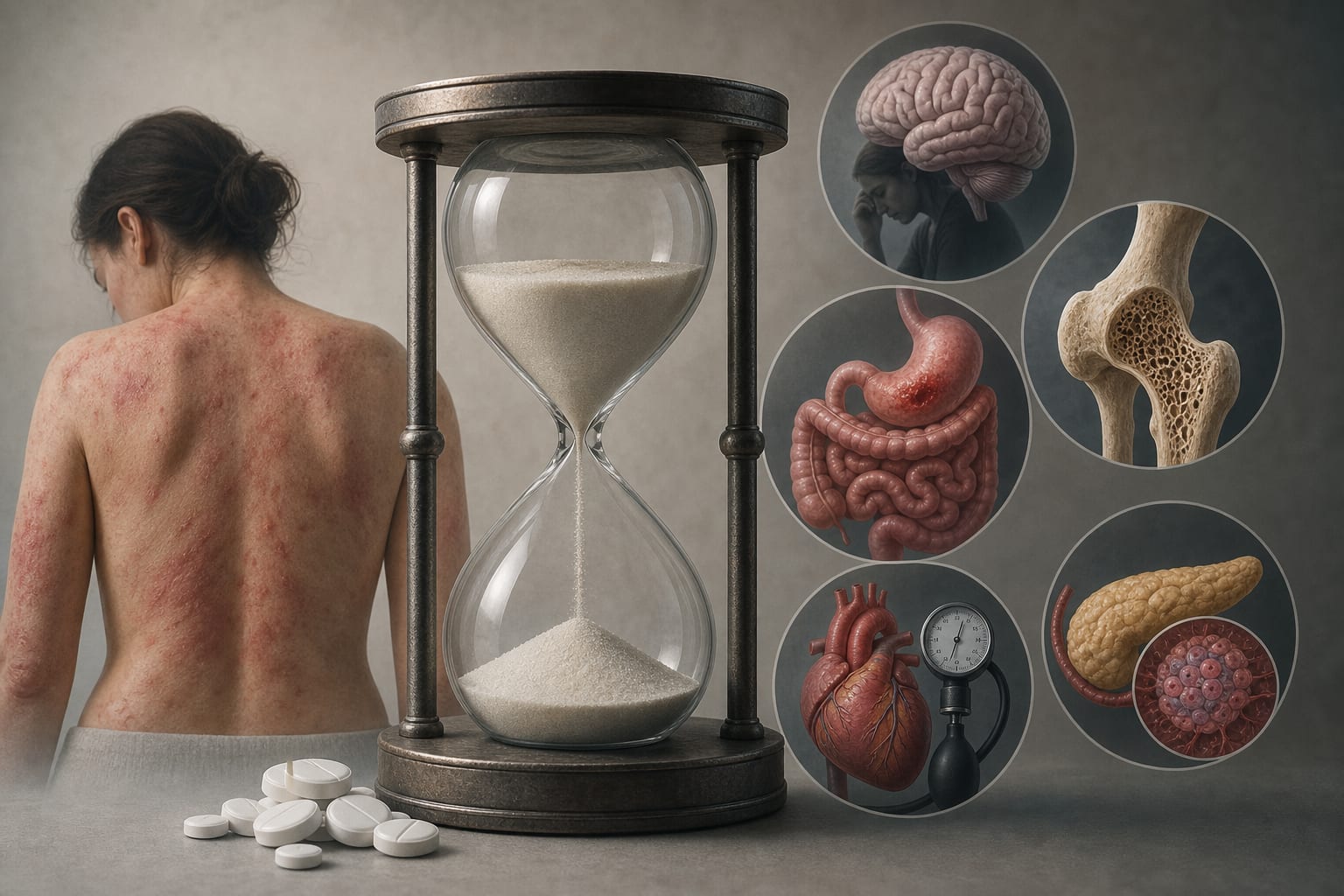
This study evaluates the impact of mild autonomous cortisol secretion (MACS) on muscle strength, body composition, and quality of life in patients with adrenal incidentalomas. Findings indicate that MACS is associated with a higher prevalence of osteopenia and osteoporosis, as well as reduced muscle strength compared to non-functioning adrenal adenomas and healthy controls.
Background
Expand on the implications of MACS on muscle health and clarify the controversy regarding muscle strength reduction.
Data Highlights
Group
Osteopenia/Osteoporosis Prevalence
MRC Score (Biceps/Quadriceps)
MACS
61.9%
Reduced
NFAA
28.6%
Normal
Controls
25%
Normal
Key Findings
Patients with MACS had a significantly higher prevalence of osteopenia and osteoporosis (61.9%) compared to NFAA (28.6%) and controls (25%).
Reduced muscle strength was observed in MACS patients, with significantly lower MRC scores for biceps and quadriceps compared to controls (p=0.04).
No significant differences in fat-free mass, muscle mass, or fat mass were found among the groups.
Quality of life scores showed a trend toward greater impairment in the MACS group.
Higher post-dexamethasone suppression test cortisol concentrations were noted in patients with osteoporosis/osteopenia and reduced muscle strength.
Clinical Implications
Clinicians should be aware of the potential musculoskeletal impacts of mild autonomous cortisol secretion, particularly the increased risk of osteopenia and reduced muscle strength. Routine assessment of bone health and muscle function may be warranted in patients diagnosed with MACS to mitigate associated health risks.
Conclusion
This study highlights the under-recognized musculoskeletal effects of mild hypercortisolism, emphasizing the need for further research and clinical attention to muscle strength in patients with MACS.
by Martina Romanisio, Chiara Mele, Sara Sturnia, Carola Ciamparini, Rosa Pitino, Alice Ferrero, Lorenza Scotti, Madalina Elena Iftimie, Gianluca Aimaretti, Paolo Marzullo, Flavia Prodam, Marina Caputo