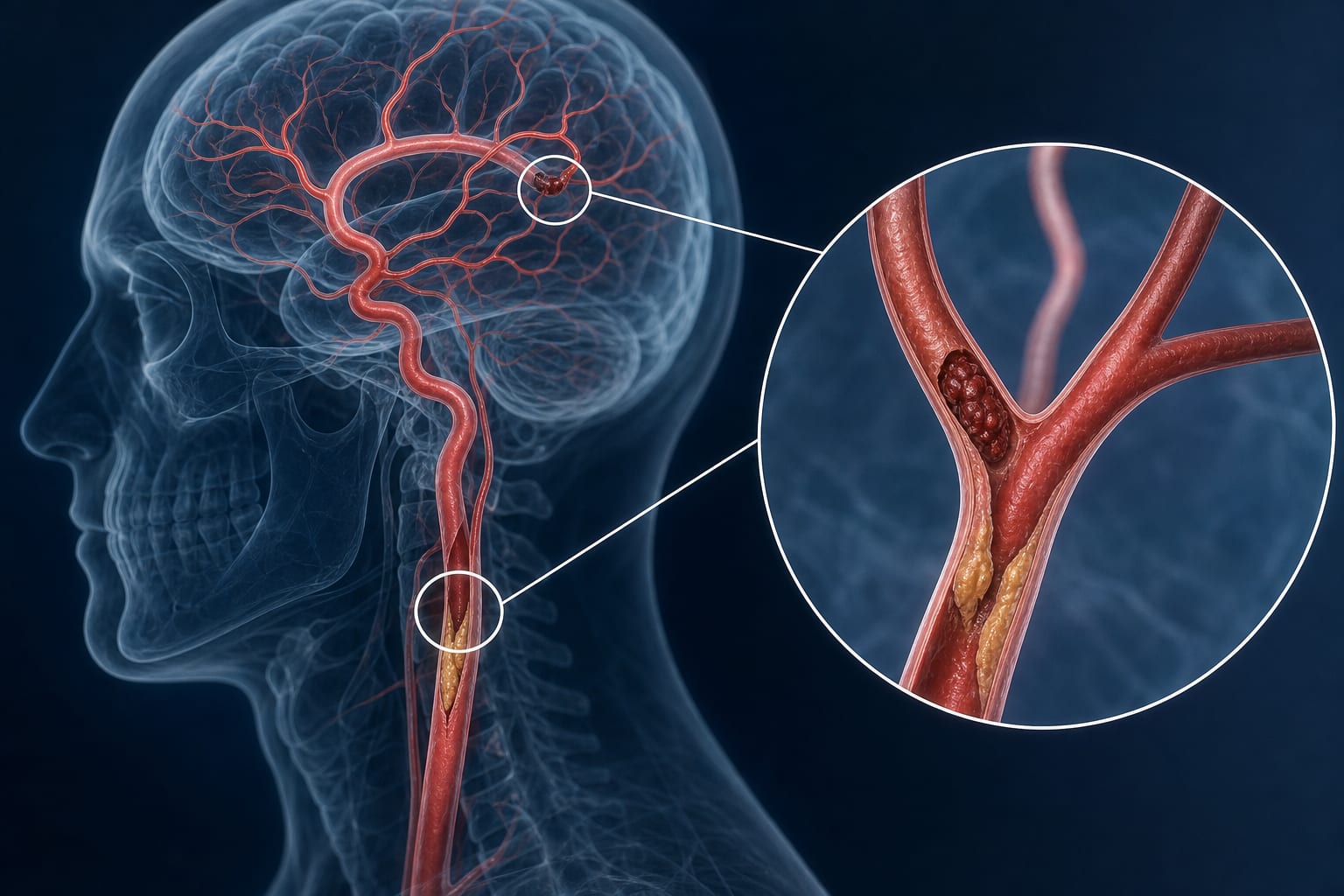
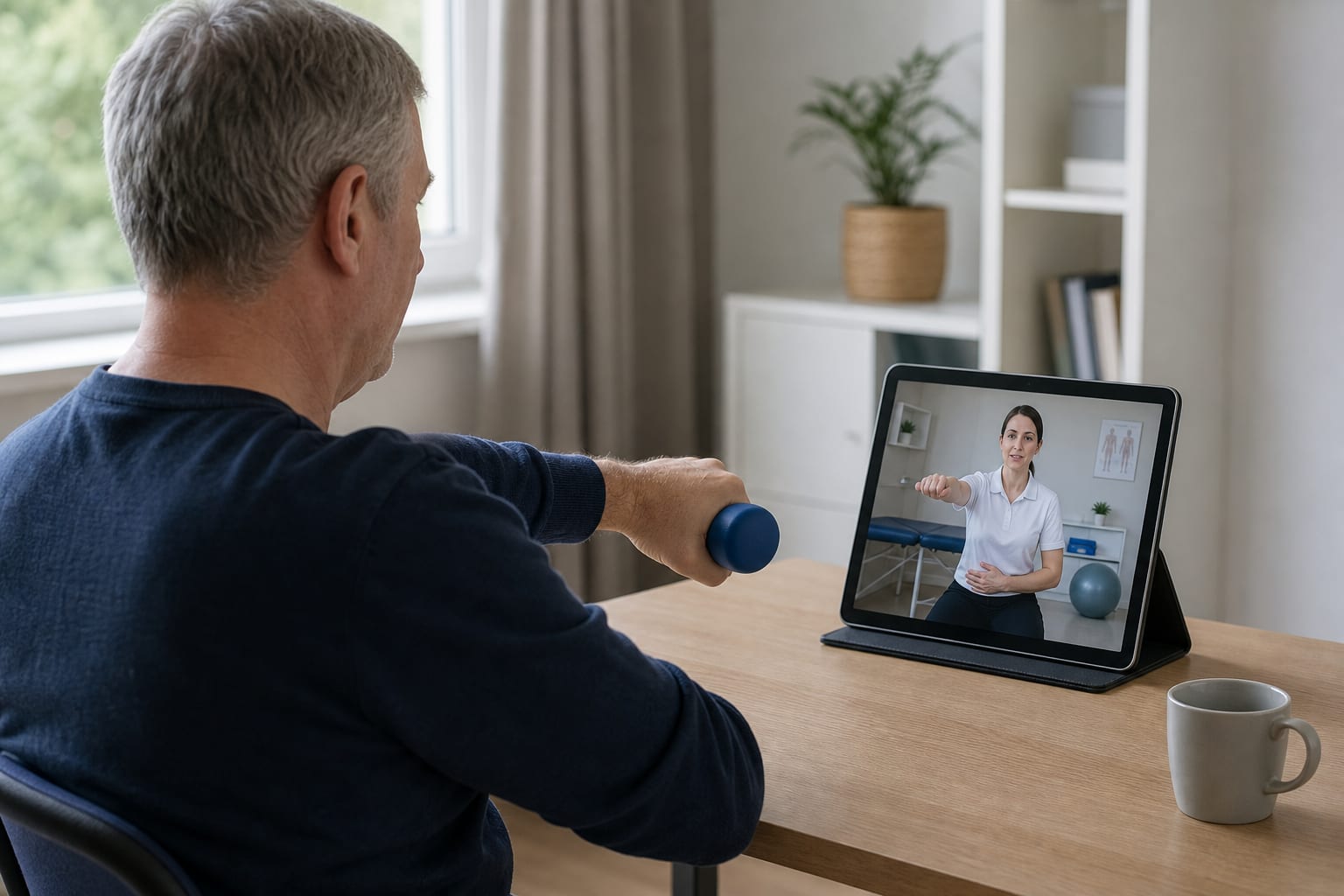
Advancing stroke rehabilitation: the potential and challenges of closed-loop brain-computer interface technology - Report - MDSpire

Advancing stroke rehabilitation: the potential and challenges of closed-loop brain-computer interface technology

  • By

  • Yan Cheng

  • Xiangkui Guo

  • Lijia Dong

  • Qiang Deng

  • Maoqi Qiu

  • Zhongchun Luo

  • June 24, 2026

  • 0 min

Share

Clinical Report: Enhancing Stroke Recovery with Closed-Loop BCIs

Overview

Closed-loop brain-computer interfaces (BCIs) are being investigated in stroke rehabilitation for their applications and safety. This systematic review summarizes their applications and highlights the need for further research.

Background

Stroke is a leading cause of long-term disability, significantly affecting quality of life. Traditional rehabilitation methods often yield limited benefits for patients with severe impairments. Closed-loop BCIs integrate real-time feedback to enhance recovery outcomes.

Data Highlights

No numerical data available in the source material.

Key Findings

  • Closed-loop BCIs can promote interhemispheric functional rebalancing and corticospinal tract remodeling.
  • Neurofeedback has shown initial efficacy in improving executive functions and attention, though evidence is heterogeneous.
  • Adverse reactions to non-invasive devices are primarily mild fatigue; invasive systems have a reported adverse event rate of 5.6 per 1,000 device-days.
  • 42 original studies were included in the review, highlighting the methodological diversity in intervention paradigms.
  • Future research should focus on multicenter randomized controlled trials and standardized outcome measures.

Clinical Implications

Further research and clinical trials are necessary to establish standardized practices and validate the efficacy of closed-loop BCIs in stroke rehabilitation.

Conclusion

Closed-loop BCIs represent a novel strategy for stroke rehabilitation, pending further validation through rigorous studies.

Related Resources & Content

  1. Nature Medicine, 2026 -- Long-term independent use of an intracortical brain–computer interface for speech and cursor control
  2. Frontiers in Neurology, 2026 -- Intermittent theta burst stimulation enhances the efficacy of brain–computer interface in upper limb rehabilitation post-stroke
  3. Frontiers in Medicine, 2026 -- Enhancing motor function after stroke: a systematic review and meta-analysis of bioelectrical feedback interventions
  4. VA DoD CPG for Management of Stroke Rehabilitation, 2024
  5. DIGITAL HEALTH — Unilateral and bilateral digital mirror visual feedback with different movement types modulate mu oscillations in individuals with stroke
  6. VA DoD CPG for Management of Stroke Rehabilitation
  7. Frontiers | Closed-loop motor imagery brain-computer interface-assisted training for upper limb rehabilitation after subacute stroke: clinical and electroencephalographic outcomes from a randomized pilot trial

Original Source(s)

Related Content