Multidimensional assessment of urinary dysfunction and quality of life after cervical cancer treatment: a multicenter study integrating urodynamics and patient-reported outcomes - Report - MDSpire
Advertisement
Multidimensional assessment of urinary dysfunction and quality of life after cervical cancer treatment: a multicenter study integrating urodynamics and patient-reported outcomes
Clinical Report: Evaluation of Urinary Function in Women Post-Cervical Cancer Treatment
Overview
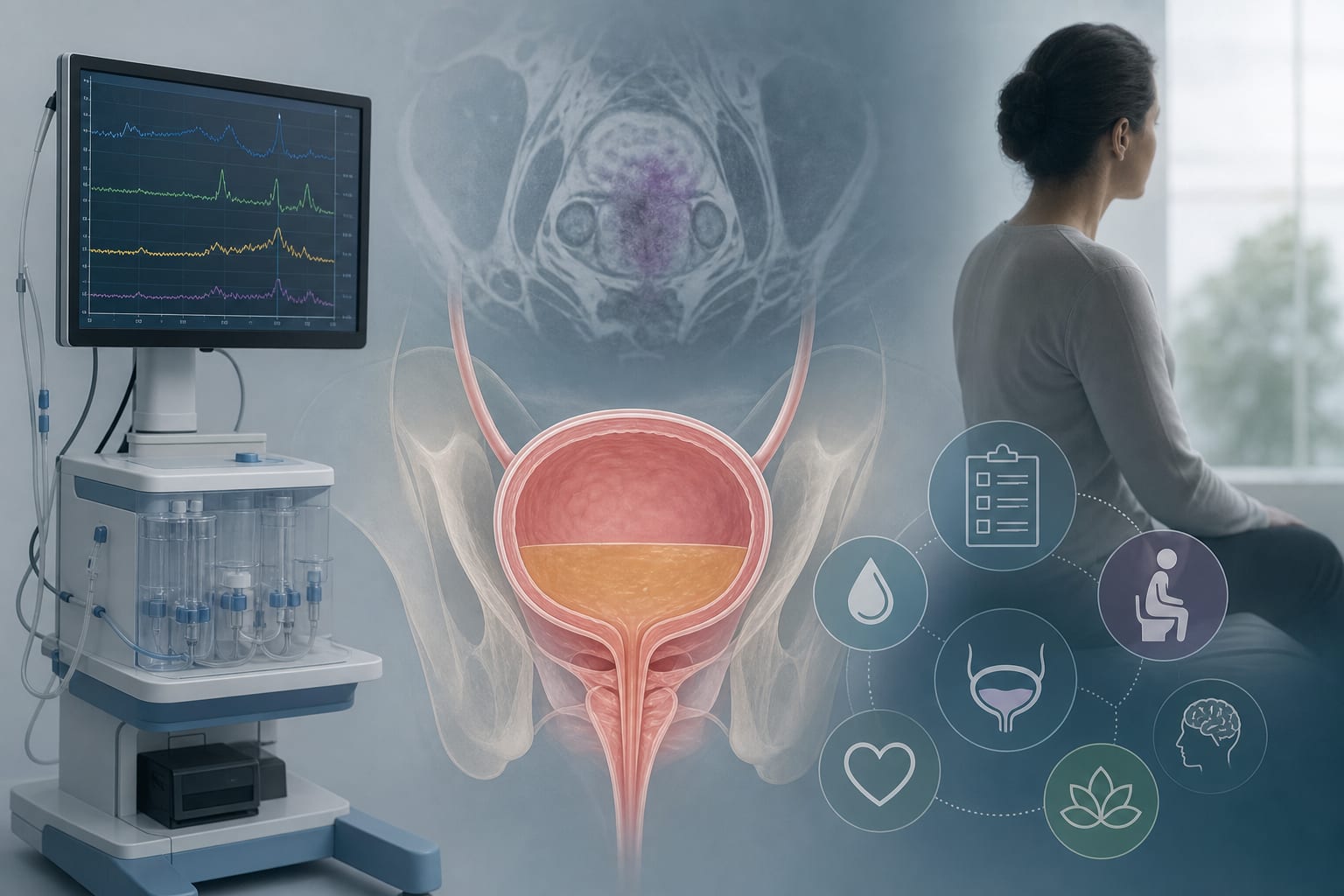
This multicenter study assessed urinary function and quality of life in 132 women treated for cervical cancer.
Background
Cervical cancer treatment can lead to long-term urinary dysfunction and negatively impact quality of life. Understanding these outcomes is crucial.
Data Highlights
Group
Patients
Urinary Dysfunction
Surgery Alone
15
Increased
Surgery + Adjuvant Therapy
53
Increased
Radiotherapy
26
Increased
Control Group
38
Normal
Key Findings
Urinary dysfunction increased over time, especially in patients receiving radiotherapy.
Normal bladder function decreased, while overactive bladder and mixed urinary incontinence increased.
Urodynamic findings showed reduced bladder capacity and increased post-void residual volume in radiotherapy patients.
Life satisfaction and sexual function deteriorated post-treatment, particularly in those receiving combined therapies.
Weak correlations existed between urodynamic findings and patient-reported outcomes.
Clinical Implications
Healthcare providers should be aware of the potential for persistent urinary dysfunction and quality of life deterioration in cervical cancer survivors, particularly those treated with radiotherapy. Comprehensive evaluations combining urodynamic assessments and patient-reported outcomes may aid in identifying patients in need of supportive care.
Conclusion
Cervical cancer treatment, especially radiotherapy, is associated with significant long-term urinary dysfunction and quality of life challenges. Integrating objective and subjective assessments can enhance understanding and management of these issues.