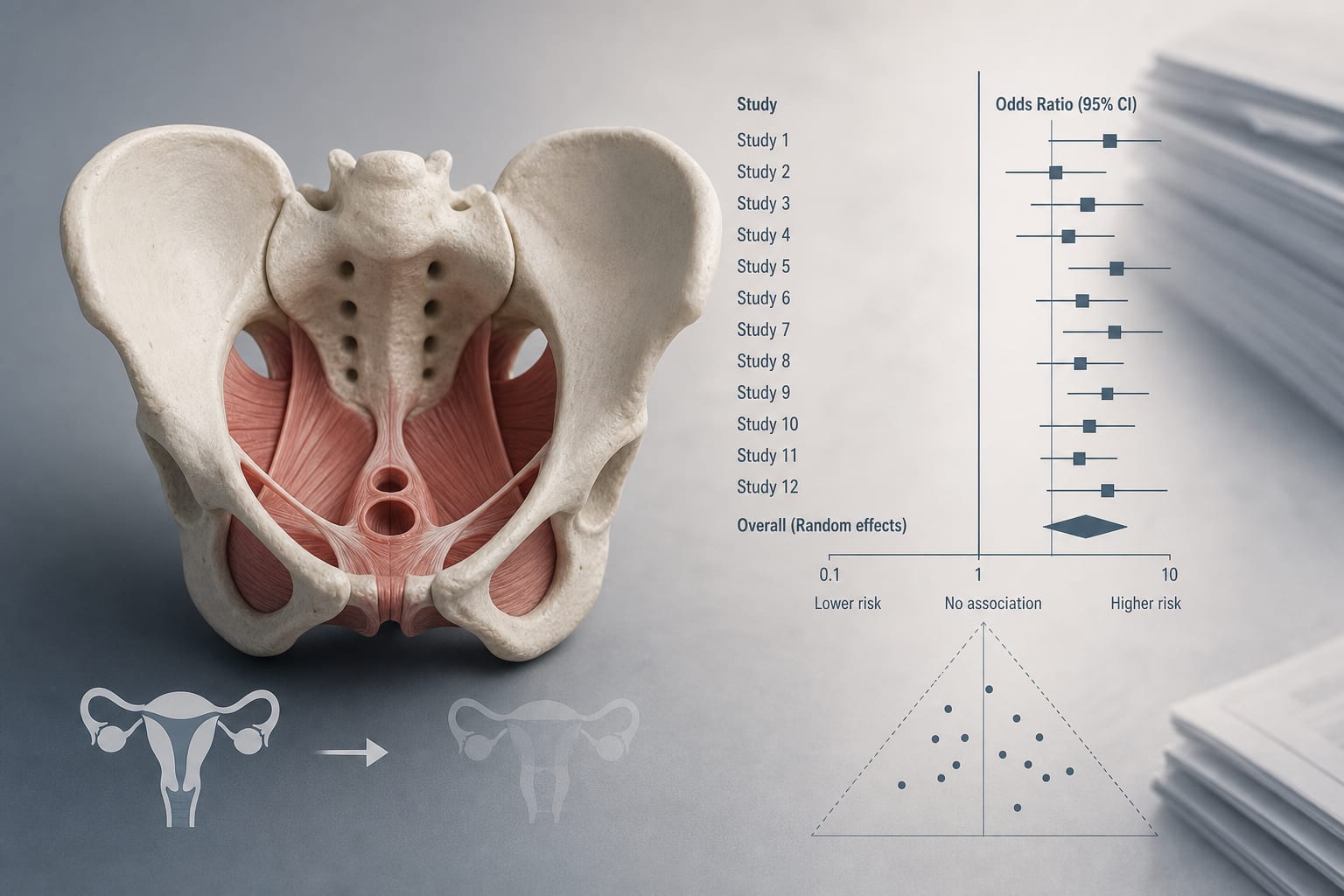
Clinical Report: Uterocutaneous Fistula Development After Cesarean Delivery
Overview
This case report describes a 37-year-old woman who developed a uterocutaneous fistula following an elective cesarean delivery. Despite initial antibiotic treatment, surgical intervention was required to manage the persistent symptoms and complications.
Background
Expand on the rarity of uterocutaneous fistulas and their impact on maternal health.
Data Highlights
No numerical data or trial data presented in the article.
Key Findings
The patient had a significant obstetric history, including multiple cesarean sections and complications such as gestational diabetes.
Persistent purulent discharge from the cesarean scar was noted approximately two months post-surgery.
Imaging studies, including pelvic MRI, confirmed the diagnosis of a uterocutaneous fistula.
Surgical intervention was necessary due to the failure of antibiotic therapy to resolve symptoms.
A total hysterectomy was performed, and the patient was discharged in stable condition within a week.
Clinical Implications
Healthcare providers should maintain a high index of suspicion for uterocutaneous fistulas in patients with a history of cesarean deliveries presenting with abnormal discharge. Multidisciplinary approaches may be beneficial in managing complex cases effectively.
Conclusion
This case highlights the importance of recognizing and addressing rare postoperative complications such as uterocutaneous fistulas to improve patient care and outcomes.