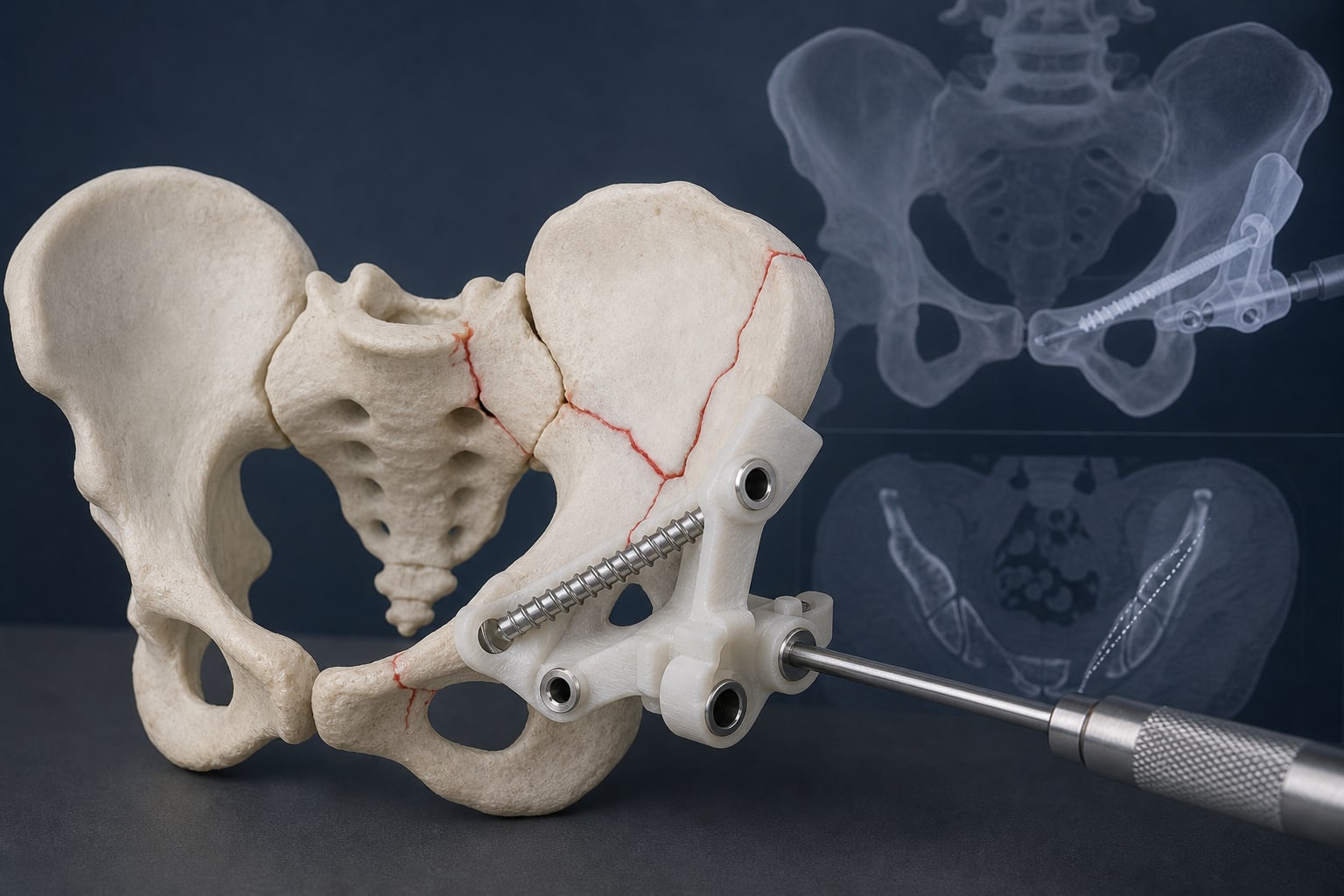
Withdrawal: Utilization of Advanced Computer-Assisted Taylor 3D External Fixation for Tibiofibular Fracture Management: A Retrospective Case Analysis - Report - MDSpire
Advertisement
Withdrawal: Utilization of Advanced Computer-Assisted Taylor 3D External Fixation for Tibiofibular Fracture Management: A Retrospective Case Analysis
Clinical Report: Withdrawal of Advanced Computer-Assisted Fixation Study
Overview
The article on advanced computer-assisted Taylor 3D external fixation for tibiofibular fractures has been retracted due to concerns regarding the integrity of the submission and peer review processes. The authors did not respond to inquiries regarding these issues.
Background
The management of tibiofibular fractures is critical due to their prevalence and potential complications. Advanced fixation techniques, such as computer-assisted external fixation, are being explored to improve outcomes. However, the integrity of research findings is paramount for clinical application, making the retraction of this study significant.
Data Highlights
No numerical data available due to article retraction.
Key Findings
The article was retracted due to concerns about submission process manipulation.
There was a lack of response from authors regarding the retraction inquiry.
Integrity of peer review processes is essential for clinical research validity.
Advanced fixation techniques are under investigation for tibiofibular fracture management.
Related studies emphasize the importance of surgical intervention in fracture management.
Clinical Implications
Healthcare professionals should remain vigilant about the integrity of research studies when considering new treatment modalities. The retraction highlights the need for rigorous peer review and ethical standards in clinical research.
Conclusion
The retraction of this study underscores the importance of maintaining high standards in clinical research to ensure patient safety and effective treatment strategies.