Clinical Report: Mitochondrial Dynamics and Their Impact on Metabolic Dysfunction-Related Steatotic Liver Disease
Overview
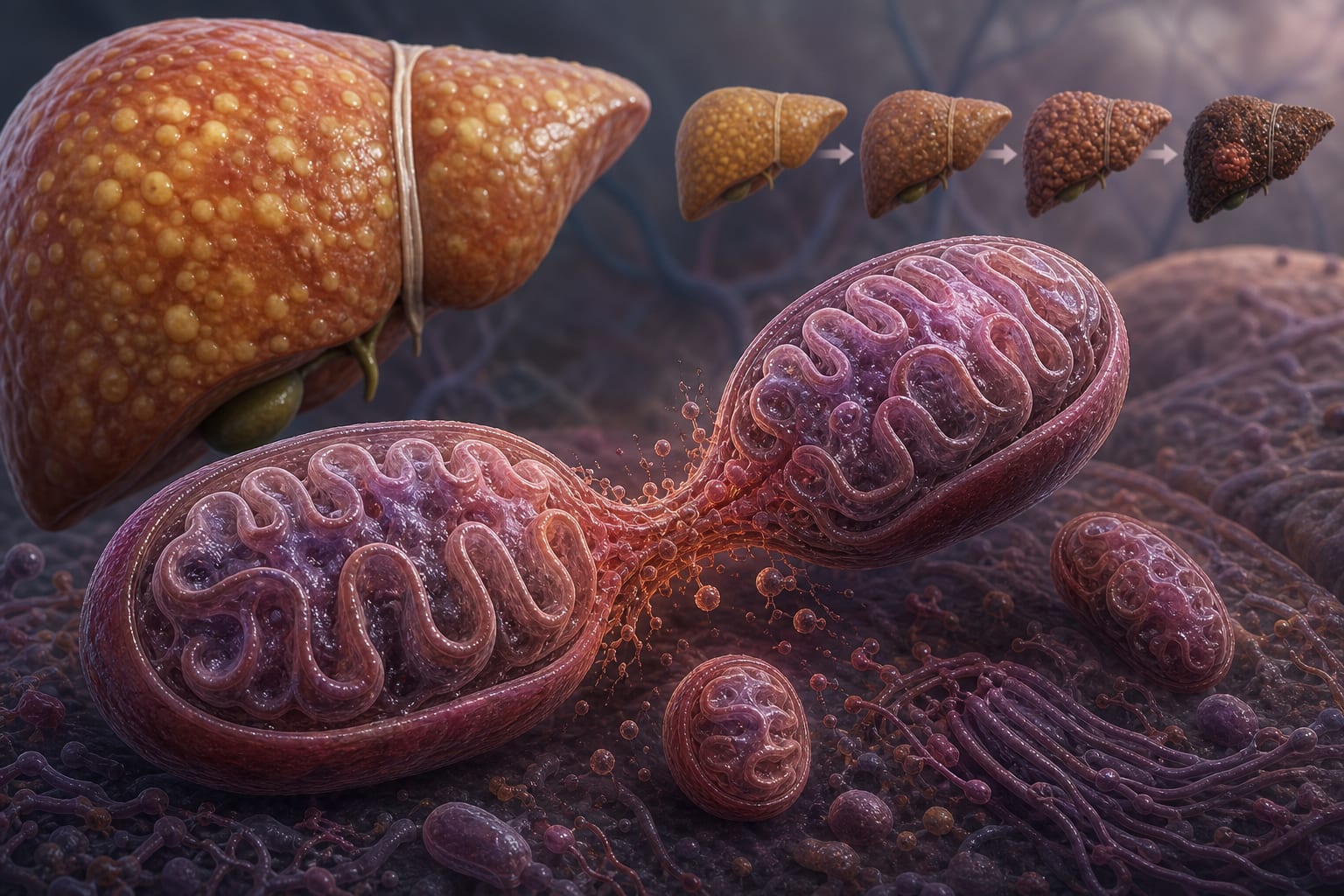
This report highlights the critical role of mitochondrial dynamics in the pathogenesis of metabolic dysfunction-associated steatotic liver disease (MASLD). It emphasizes the need for further research into mitochondrial mechanisms and potential therapeutic strategies to address this prevalent condition.
Background
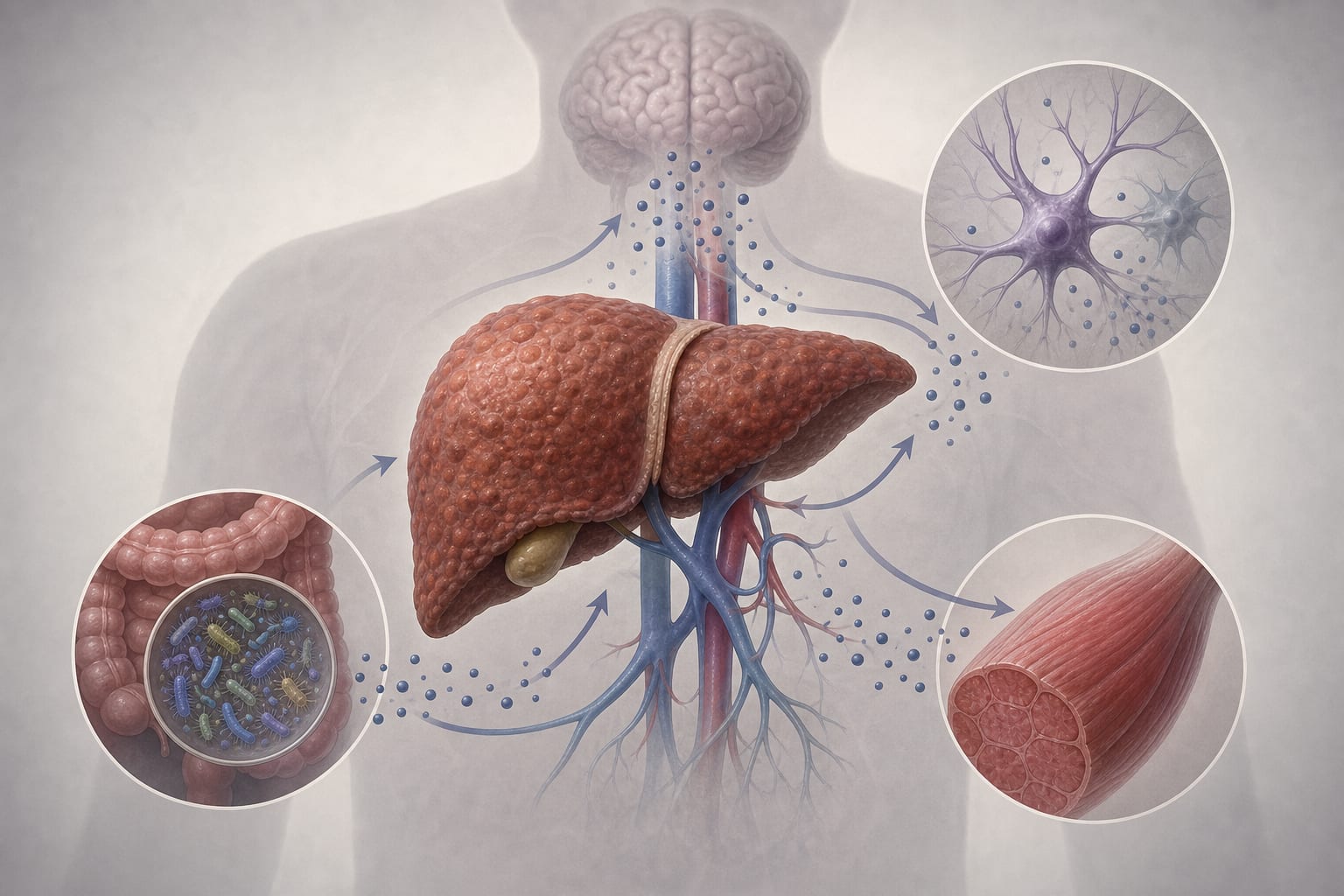
MASLD is a significant global health concern, representing a spectrum of liver diseases linked to metabolic dysfunction. It is associated with serious complications, including liver fibrosis and cirrhosis, and has a strong correlation with systemic metabolic disorders such as type 2 diabetes and obesity. Understanding the underlying mechanisms of MASLD is essential for developing effective treatment strategies.
Data Highlights
No numerical data available in the source material.
Key Findings
Mitochondrial dynamics, including fusion and fission, are crucial for maintaining mitochondrial function and quality control.
MASLD is characterized by a bidirectional relationship with systemic metabolic disorders, affecting a significant percentage of individuals with type 2 diabetes and obesity.
Current therapeutic strategies for MASLD are largely ineffective, highlighting the need for novel interventions.
Recent advancements in understanding mitochondrial mechanisms may provide new insights into the prevention and treatment of MASLD.
Distinguishing between simple steatosis and steatohepatitis is vital for appropriate management and intervention strategies.
Clinical Implications
Healthcare professionals should be aware of the systemic implications of MASLD and its association with metabolic disorders. Early identification and differentiation of MASLD stages are crucial for effective management and intervention. Ongoing research into mitochondrial dynamics may lead to innovative therapeutic approaches.
Conclusion
Reiterate the importance of mitochondrial dynamics and call for future research.