Clinical Report: The Evolving Functions of Artificial Intelligence in Stress Management
Overview
This systematic review explores the role of artificial intelligence (AI) in self-directed stress management, focusing on its applications in enhancing accessibility and personalization of interventions.
Background
Stress is a prevalent issue affecting a significant portion of the population, with estimates indicating that up to 40% of individuals experience stress-related symptoms. Self-directed stress management has emerged as a viable alternative to conventional care, particularly for those facing barriers to access. The integration of AI into these interventions presents an opportunity to improve their effectiveness and reach.
Data Highlights
No specific numerical data provided in the article.
Key Findings
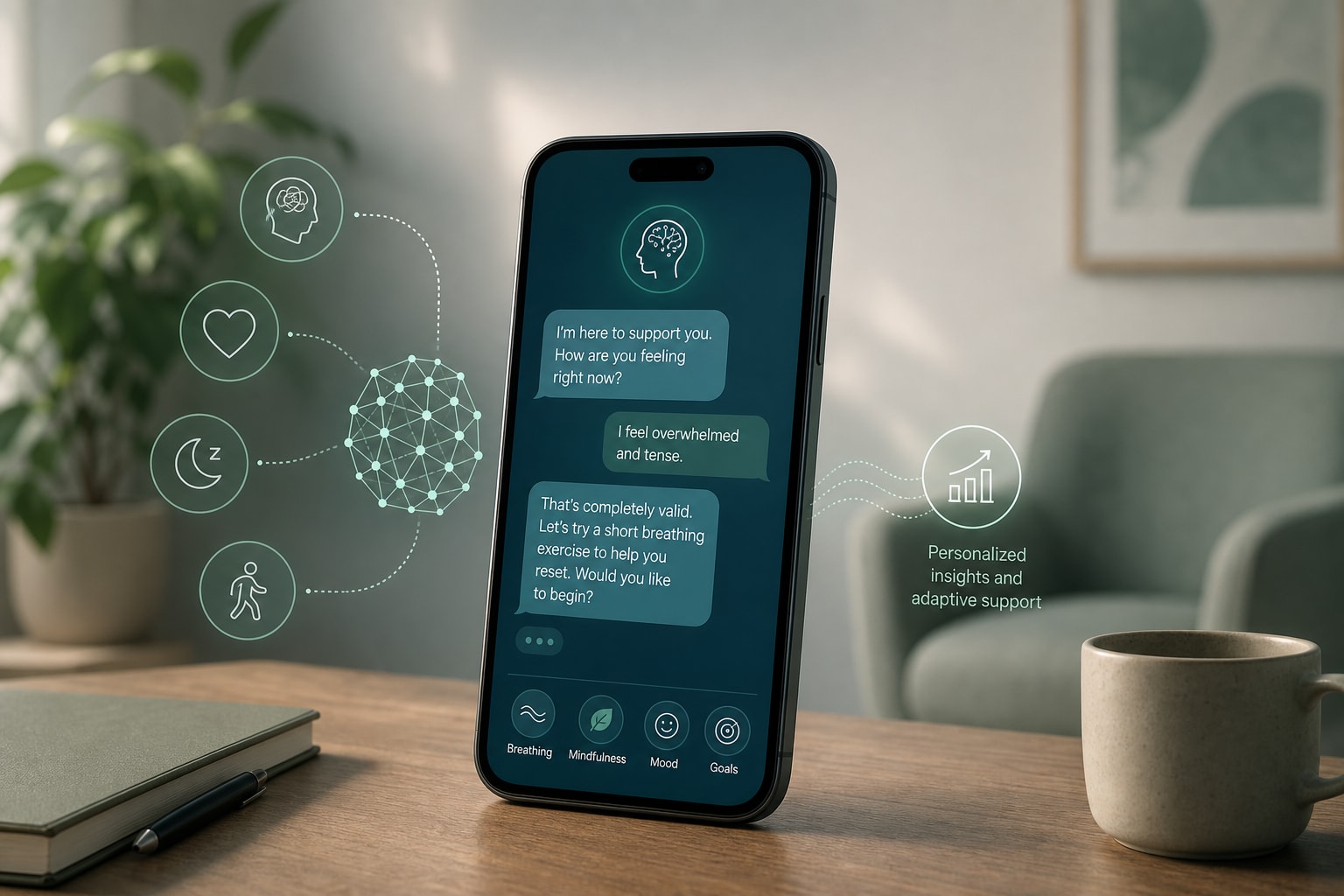
AI can enhance self-directed stress management by providing personalized, context-specific responses.
Conversational agents may facilitate greater user engagement and willingness to disclose sensitive information.
AI-driven interventions have shown potential for scalability and consistent availability compared to traditional methods.
Workplace internet-based stress management interventions utilizing AI have demonstrated significant reductions in perceived stress.
High dropout rates in existing digital mental health interventions highlight the need for improved strategies to maintain user engagement.
Clinical Implications
The integration of AI in stress management interventions can lower barriers to access and improve user engagement.
Conclusion
AI presents a promising avenue for advancing self-directed stress management.