Swallowable Intragastric Balloon and Dietary Guidance for Adolescent Weight Management
Overview
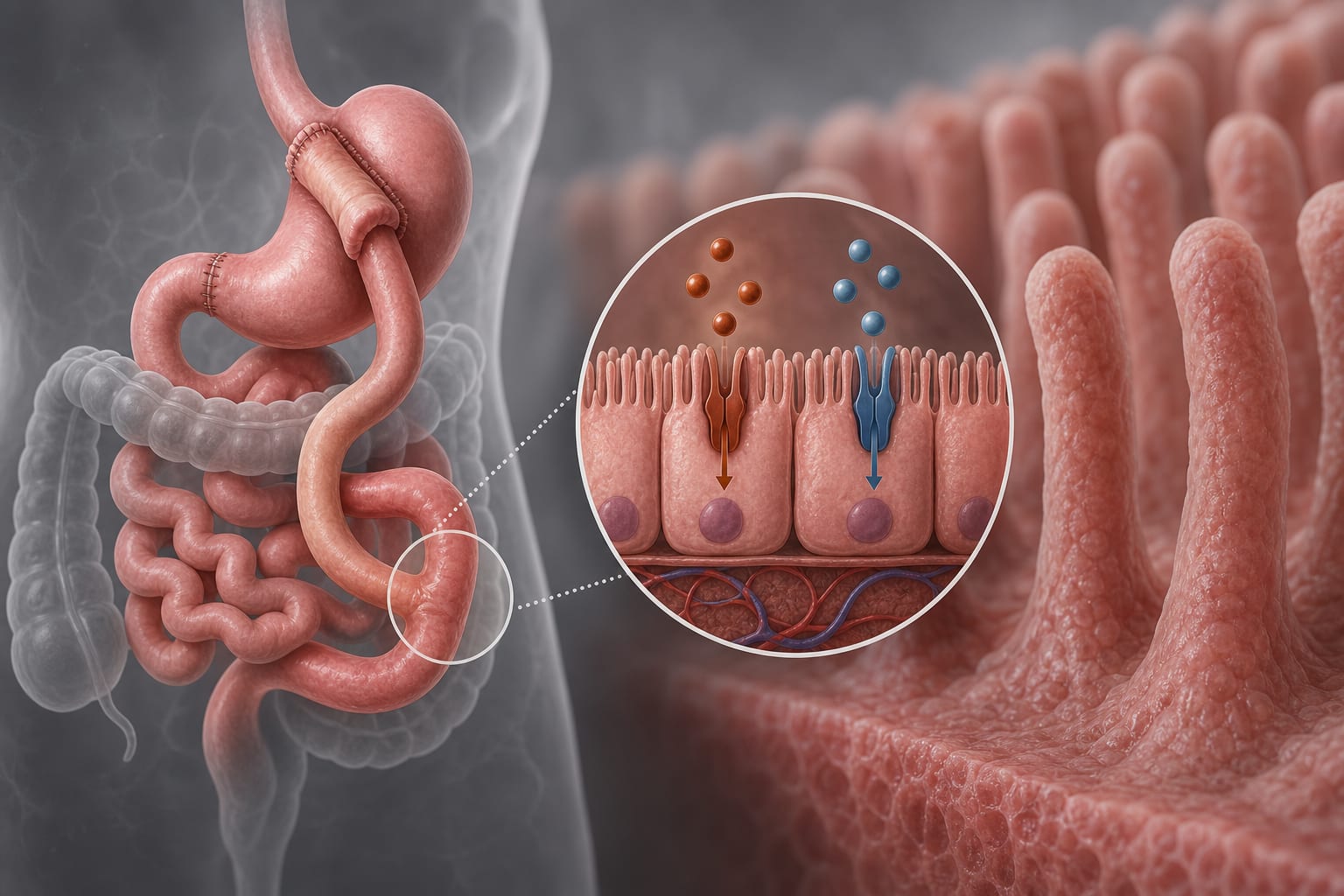
This study evaluated the safety and effectiveness of the Allurion swallowable intragastric balloon (SGB) combined with dietary guidance in adolescents aged 15 to 17 years with overweight or obesity. The SGB was placed without endoscopy or anesthesia, supporting significant weight loss and BMI reduction over approximately 4 months with a favorable safety profile.
Background
Obesity in adolescents is a growing global health concern linked to chronic inflammation, immune dysfunction, and increased risk of comorbidities such as type 2 diabetes and cardiovascular disease. Early intervention is critical to prevent lifelong obesity and associated complications. Traditional behavioral and dietary interventions often fail in adolescents with severe obesity, and bariatric surgery is limited by concerns over invasiveness and permanence. Intragastric balloons offer a temporary, less invasive alternative to support weight loss.
Data Highlights
The study included adolescents aged 15-17 years with BMI ≥ 27 kg/m2 who had previously failed behavioral and dietary weight-loss attempts. The Allurion SGB was swallowed in an outpatient setting without sedation, inflated with 550 mL distilled water, and naturally expelled after approximately 4 months. Patients used a connected digital scale and smartphone app for dietary and lifestyle guidance. Outcome measures included changes in weight, BMI, and percentage total body weight loss (%TBWL), alongside monitoring for adverse events.
Key Findings
The Allurion swallowable intragastric balloon was successfully placed in an outpatient setting without endoscopy or anesthesia within 10-15 minutes.
Adolescents demonstrated significant reductions in weight and BMI after approximately 4 months of balloon placement combined with dietary guidance.
The balloon naturally deflated and was expelled via the gastrointestinal tract without the need for endoscopic removal.
The integrated digital scale and smartphone app facilitated ongoing nutritional and lifestyle support, enhancing patient engagement and adherence.
The procedure and device were well tolerated with a low incidence of adverse events consistent with known balloon-related effects.
Clinical Implications
The swallowable intragastric balloon offers a minimally invasive, temporary weight-loss intervention for adolescents with overweight or obesity who have not responded to behavioral and dietary measures. Its outpatient placement without anesthesia and natural expulsion reduce procedural risks and burden. Integration with digital tools supports patient motivation and adherence, potentially improving long-term outcomes in this challenging population.
Conclusion
The Allurion swallowable intragastric balloon combined with dietary guidance is a safe and effective option for weight management in adolescents, addressing an unmet need for less invasive interventions in this vulnerable group. Further studies may help define optimal patient selection and long-term benefits.
References
World Health Organization 2020 -- Global Strategy on Diet, Physical Activity and Health
International Pediatric Endosurgery Group (IPEG) Guidelines 2021 -- Bariatric Procedures in Children
Allurion Technologies 2023 -- Allurion Balloon Instructions for Use