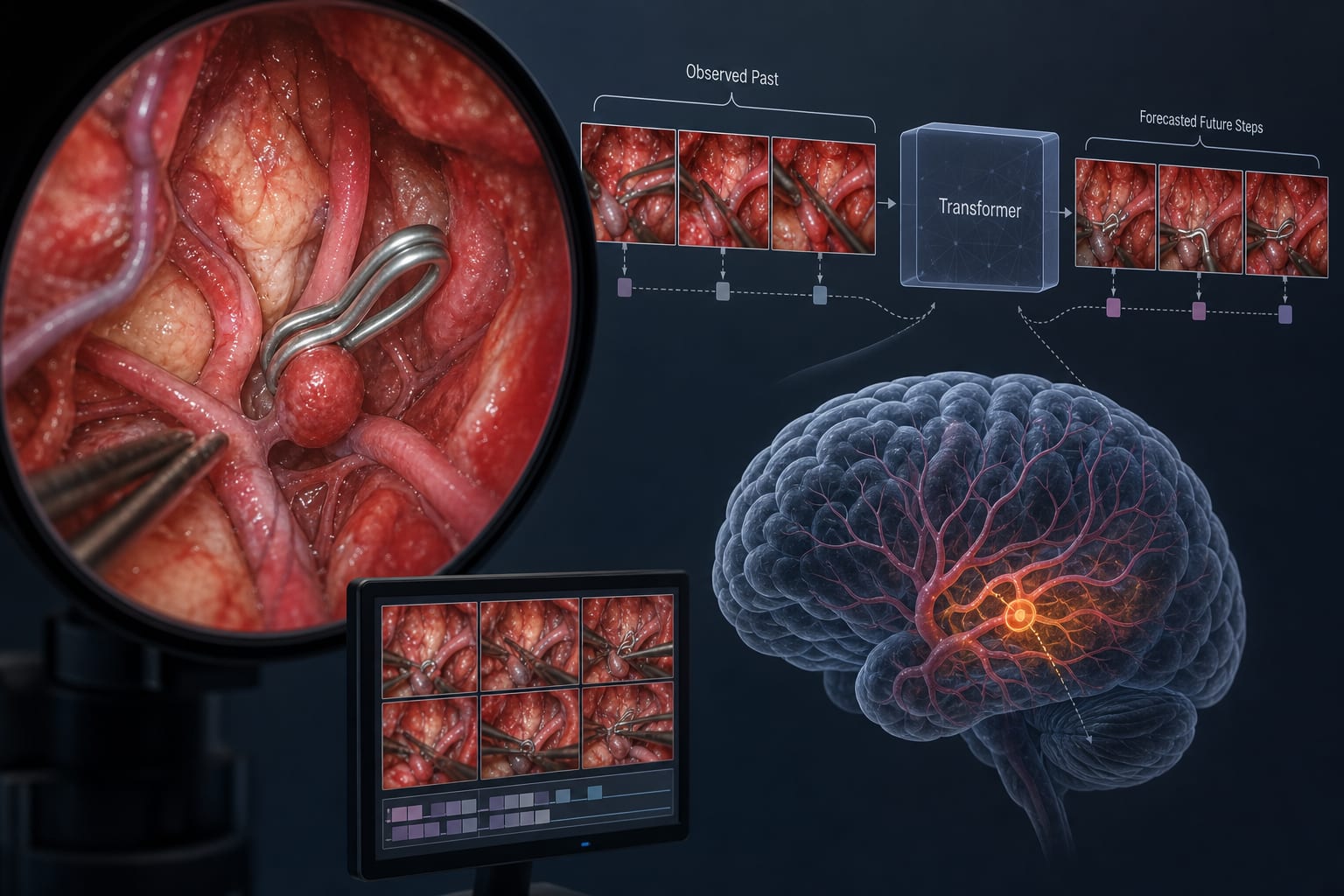
Neuronavigation-Assisted Judet Screw Technique for C2 Pedicle Fractures
Overview
The neuronavigation-assisted Judet screw technique offers a minimally invasive, precise method for stabilizing C2 pedicle fractures, including atypical bilateral fractures. Utilizing advanced imaging and navigation systems enhances screw placement accuracy, reduces risks of vertebral artery injury, and preserves cervical motion.
Background
Traumatic spondylolisthesis of the axis, or Hangman’s fracture, involves bilateral pars interarticularis fractures of C2 leading to vertebral instability. Bilateral pedicle fractures of C2 are rare and classified as atypical, often requiring surgical fixation for unstable cases. The Judet technique, involving transpedicular screw fixation, provides direct stabilization with minimal soft tissue damage. Neuronavigation technology improves the safety and precision of this technique by accurately guiding screw placement and avoiding vascular complications.
Data Highlights
Reported vertebral artery injury rates during C2 pedicle screw placement are approximately 8.2%, highlighting the importance of precise surgical technique and preoperative imaging. The neuronavigation system enables real-time guidance for screw trajectory, improving accuracy and safety in complex fractures.
Key Findings
Neuronavigation enhances identification of anatomical landmarks and screw entry points in C2 pedicle fractures.
The Judet technique allows minimally invasive transpedicular screw fixation, preserving cervical motion and reducing soft tissue damage.
Preoperative and intraoperative CT imaging integrated with navigation systems ensures accurate screw trajectory and placement.
Careful consideration of vertebral artery anatomy, especially high-riding variants, is critical to avoid vascular injury.
Intraoperative 3D imaging confirms fracture reduction and screw positioning, improving surgical outcomes.
The technique is applicable for both bilateral and monolateral C2 pedicle fractures, including complex cases with odontoid involvement.
Clinical Implications
Surgeons managing unstable C2 pedicle fractures should consider neuronavigation-assisted Judet screw fixation to improve surgical precision and reduce complications. This approach minimizes soft tissue disruption and preserves cervical rotational mobility compared to traditional C1-C2 fixation. Preoperative imaging and intraoperative navigation are essential to avoid vertebral artery injury, especially in anatomically complex cases.
Conclusion
Neuronavigation-assisted Judet screw fixation is a safe, effective, and minimally invasive technique for managing C2 pedicle fractures, offering enhanced accuracy and preservation of cervical function. Integration of advanced imaging and navigation technologies is key to optimizing surgical outcomes.
References
Leconte/Judet/Various -- Development and refinement of the Judet technique
Brainlab/Neurologica -- Neuronavigation and imaging systems used in technique
Clinical studies -- Vertebral artery injury rates and anatomical considerations