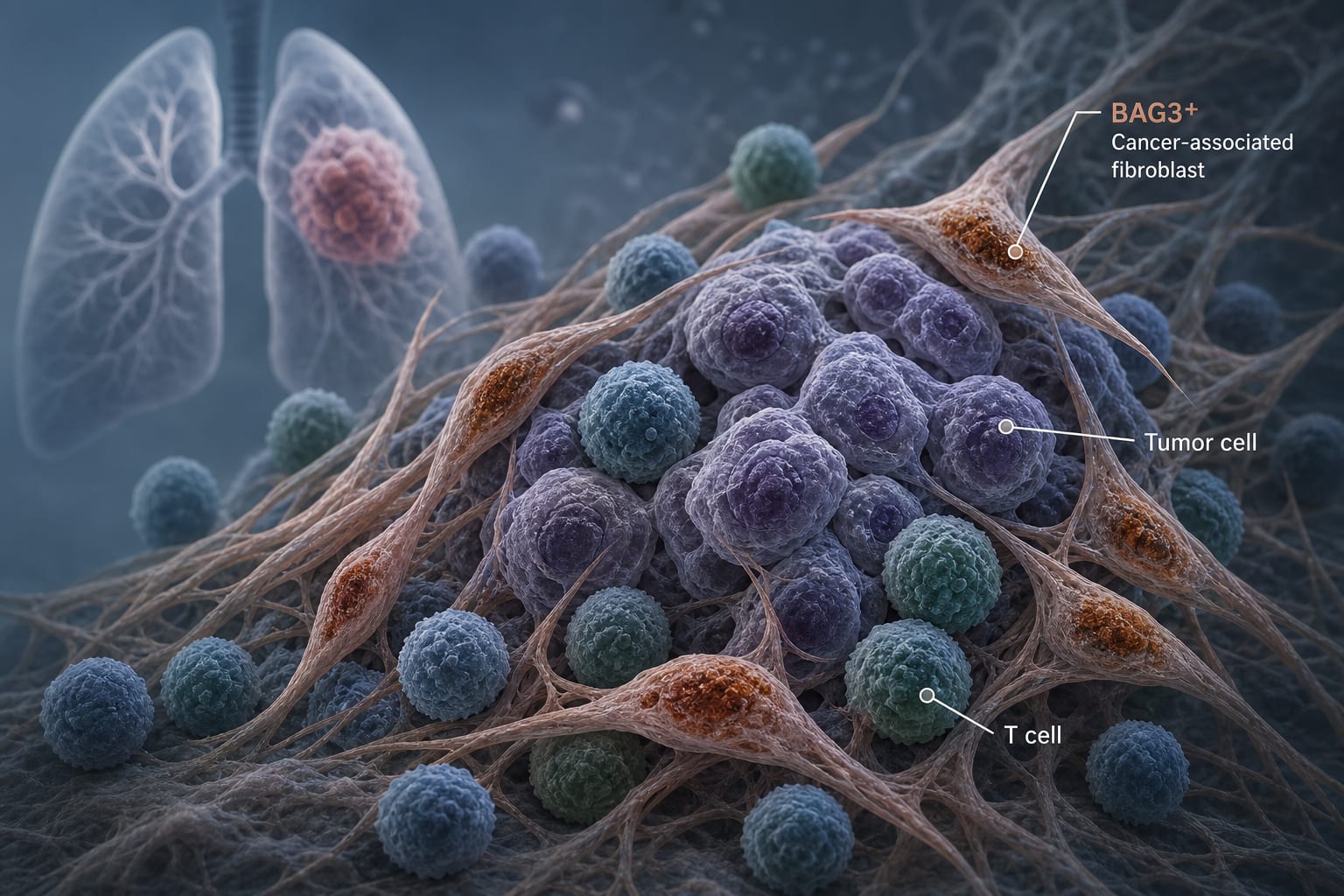
Clinical Report: Lung Transplants Improve Survival Rates in Stage 4 Lung Cancer
Overview
A study from Northwestern Medicine indicates that lung transplants can improve survival rates in patients with stage 4 lung cancer that has not metastasized. The one-year survival rate for transplant recipients was 100%, compared to 40.8% for those receiving standard medical management.
Background
Lung cancer remains a leading cause of cancer-related mortality, particularly in advanced stages. Traditionally, patients with stage 4 lung cancer have been excluded from lung transplant candidacy due to concerns about cancer recurrence and low survival rates. This study explores lung transplantation in a carefully selected group of patients with limited lung-confined disease.
Data Highlights
Group
One-Year Survival Rate
Transplant Recipients with NSCLC
100%
Medically Managed NSCLC Patients
40.8%
Non-Cancer Transplant Recipients
88.1%
Key Findings
17 patients with stage 4 lung cancer received lung transplants, showing a 100% one-year survival rate.
In comparison, 81 patients receiving standard treatment had a 40.8% one-year survival rate.
Among the transplant group, there were four recurrences of cancer and two deaths unrelated to cancer.
74 out of 81 patients in the standard care group experienced cancer progression.
Clinical Implications
The findings indicate that lung transplantation may be an option for select patients with stage 4 lung cancer confined to the lungs. Further research is needed to validate these results.
Conclusion
This study provides evidence that lung transplantation could be beneficial for patients with advanced lung cancer that has not metastasized.