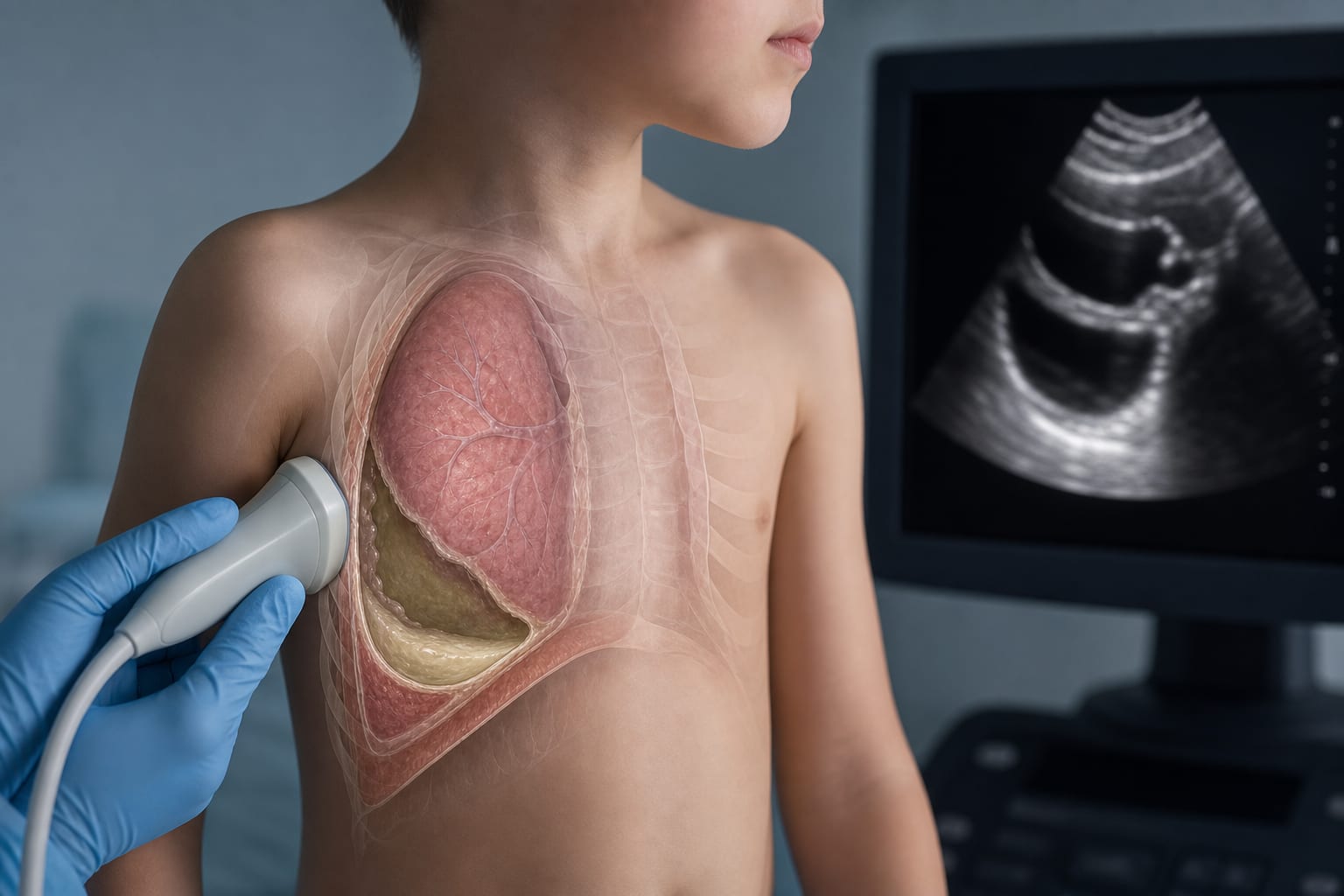
Clinical Report: Salmonella Infection Leading to Severe Necrotizing Pneumonia
Overview
This report discusses a rare case of severe necrotizing pneumonia with empyema caused by non-typhoidal Salmonella in a previously healthy child, emphasizing the need for clinical awareness of such atypical presentations.
Background
Invasive non-typhoidal Salmonella infections are uncommon in immunocompetent children, typically presenting as self-limited gastroenteritis. The emergence of severe pulmonary manifestations raises important clinical questions regarding host-pathogen interactions, such as the role of viral co-infections and immune deficiencies.
Data Highlights
No numerical data was provided in the source material.
Key Findings
['Severe necrotizing pneumonia with empyema can occur in healthy children due to non-typhoidal Salmonella.', 'Viral respiratory infections, such as influenza A, may predispose children to secondary bacterial pneumonia.', 'Deficiencies in the IL-12/IFN-γ pathway may contribute to severe Salmonella infections in immunocompetent individuals.', 'Host inflammatory responses may exacerbate pulmonary tissue damage during severe infections.', 'Invasive non-typhoidal Salmonella infections are associated with significant morbidity and mortality worldwide.']
Clinical Implications
Clinicians should consider the potential for severe invasive infections from pathogens typically associated with mild illness, especially in the context of viral co-infections. Awareness of underlying host vulnerabilities and the role of immune responses is crucial in managing unexpected severe infections in pediatric patients.
Conclusion
This case underscores the need for heightened clinical awareness regarding the potential for severe presentations of uncommon pathogens in otherwise healthy children, highlighting the importance of understanding host-pathogen interactions in guiding effective management strategies.