Case Report: Melanoma of the hard palate presenting initially with gastrointestinal symptoms: the diagnostic pivotal role of 18F-FDG PET/CT - Report - MDSpire
Clinical Report: Initial Gastrointestinal Symptoms in Hard Palate Melanoma
Overview
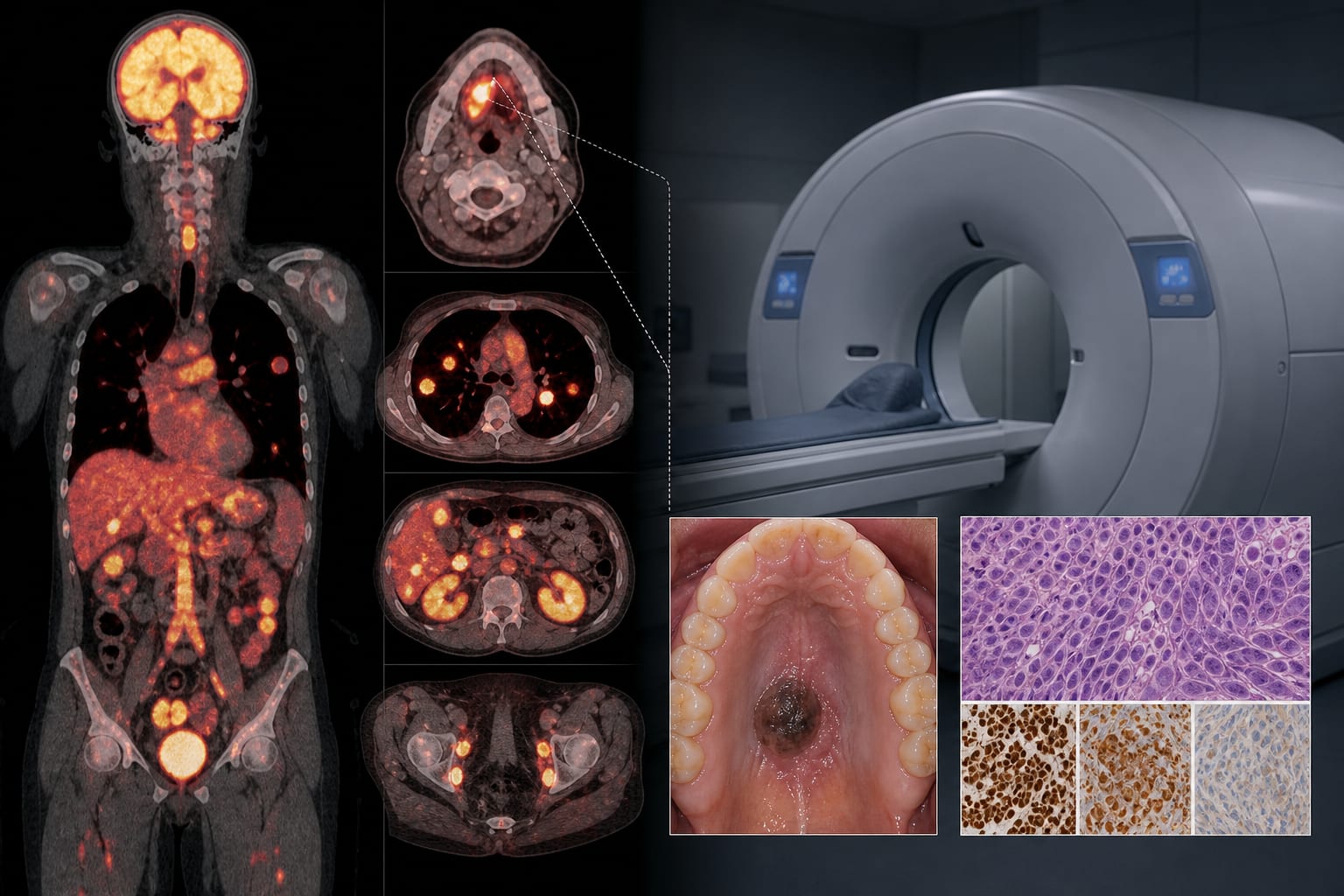
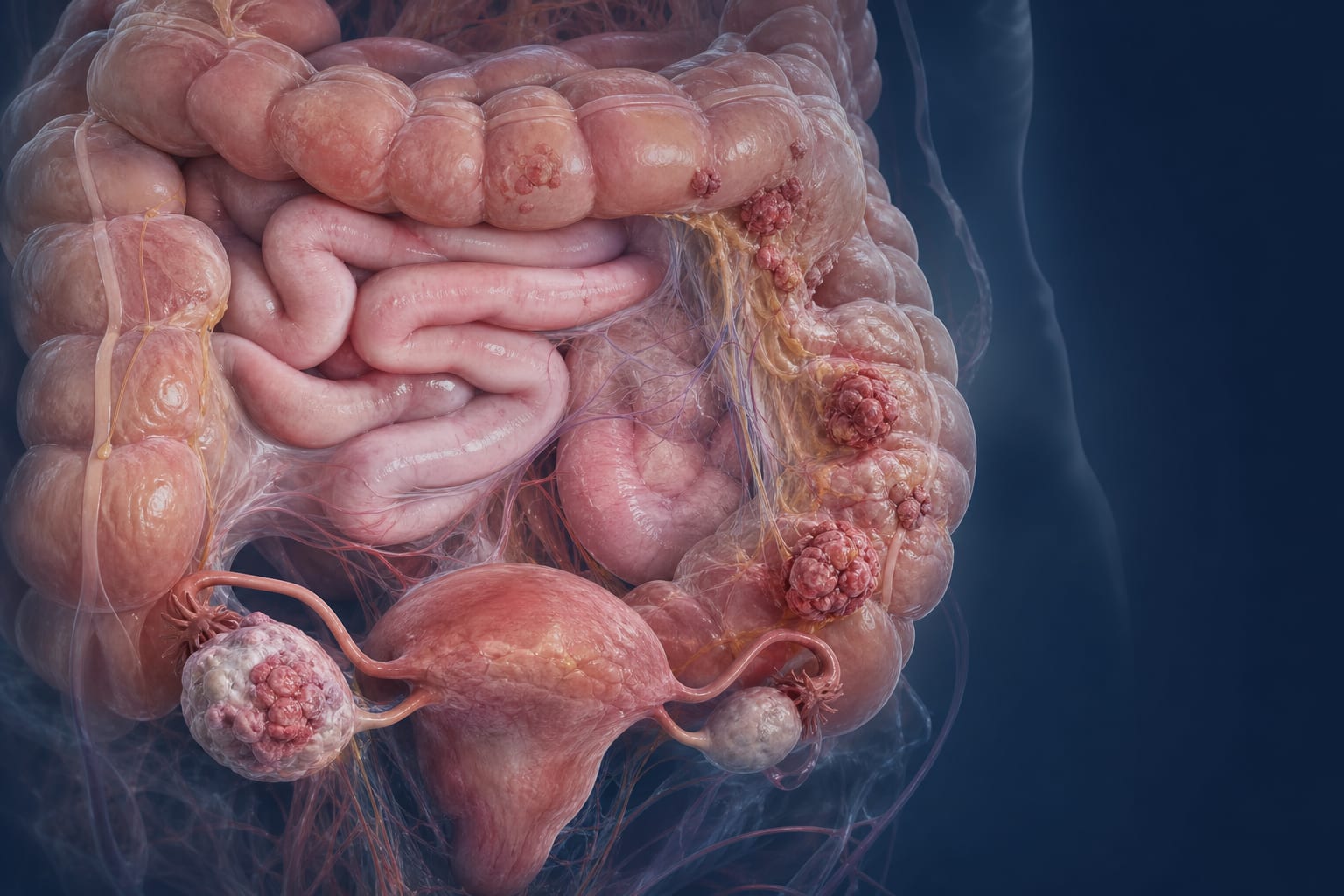
This case study highlights a rare instance of mucosal melanoma presenting with gastrointestinal symptoms. The use of 18F-FDG PET/CT imaging was crucial in identifying the primary lesion and systemic metastases.
Background
Mucosal melanoma of the oral cavity, particularly in the hard palate, is a rare and aggressive form of cancer that often leads to diagnostic delays due to its non-specific early symptoms. The role of advanced imaging techniques like 18F-FDG PET/CT is essential in the diagnosis and management of such cases.
Data Highlights
Test
Findings
18F-FDG PET/CT
Primary lesion SUVmax of 15.3, liver lesions SUVmax of 5.6
Histopathology
Atypical melanocytes with high mitotic figures
Immunohistochemistry
Positive for Bcl-2, HMB45, Melan-A, S-100, P16, P53, CyclinD1
Key Findings
Mucosal melanoma is rare, accounting for approximately 2% of all melanoma cases.
Initial symptoms can be non-specific, leading to diagnostic challenges.
18F-FDG PET/CT has high sensitivity for detecting occult primary mucosal melanomas.
The case involved a patient with gastrointestinal symptoms and extensive metastases.
Histopathological analysis confirmed the diagnosis of melanoma with atypical melanocytes.
Clinical Implications
The use of 18F-FDG PET/CT can significantly enhance the detection and staging of such rare malignancies.
Conclusion
This case illustrates the critical role of advanced imaging in diagnosing mucosal melanoma, particularly when initial symptoms are misleading.