Clinical Report: Linking Hypothyroidism and Levothyroxine Therapy to Kidney Function
Overview
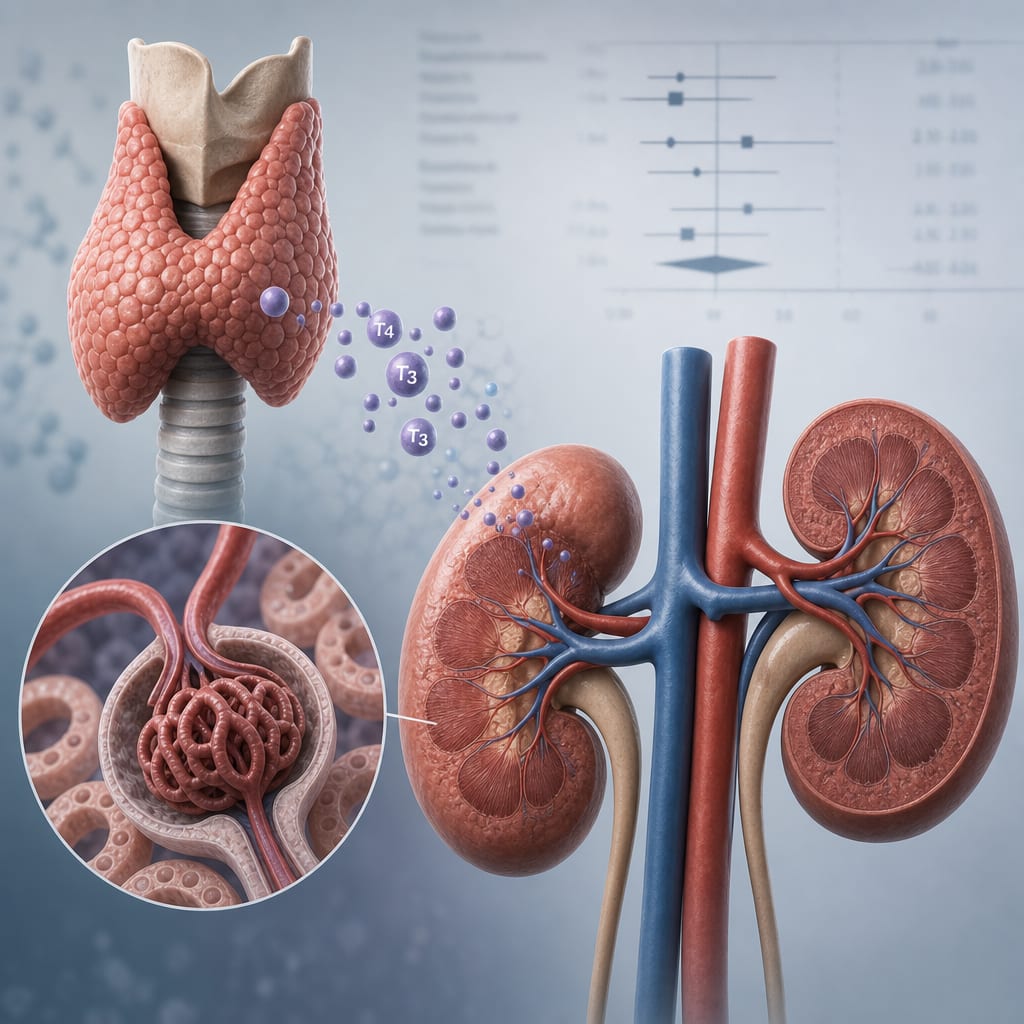
This systematic review and meta-analysis reveal a significant association between hypothyroidism and chronic kidney disease (CKD), with no improvement in kidney function observed following levothyroxine therapy. The findings underscore the need for further research to clarify the relationship between thyroid dysfunction and renal outcomes.
Background
Chronic kidney disease (CKD) is a prevalent condition with serious health implications, including increased mortality rates. The relationship between thyroid dysfunction and CKD is of clinical interest, particularly as hypothyroidism is common in CKD patients. Understanding this connection is crucial for optimizing patient management and treatment strategies.
Both non-specific hypothyroidism and subclinical hypothyroidism are significantly linked to CKD.
Non-specific hypothyroidism is associated with a decrease in estimated glomerular filtration rate (eGFR).
No significant correlation was found between hypothyroidism and the incidence of CKD.
Levothyroxine therapy did not show notable improvement in eGFR for patients with hypothyroidism.
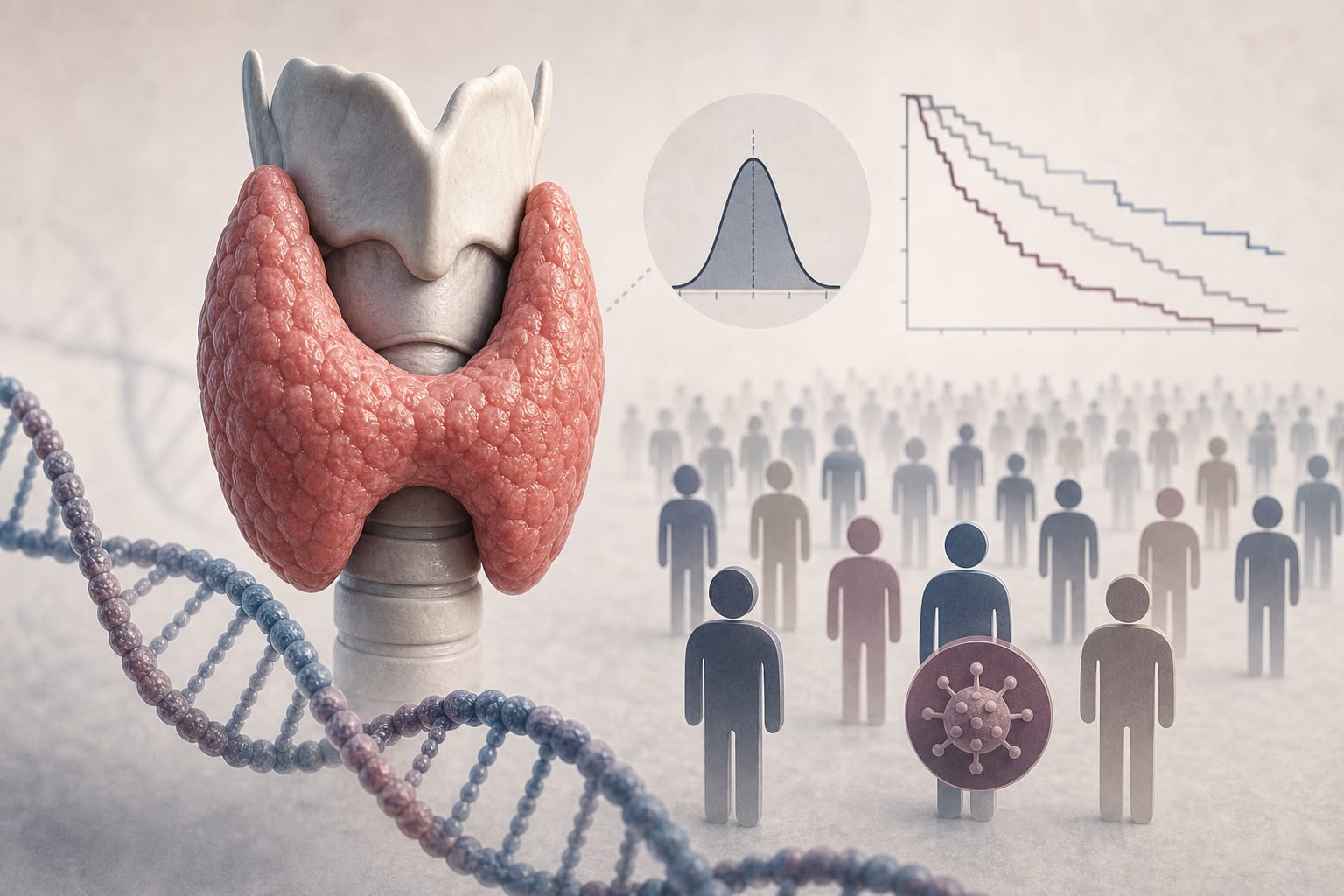
The study highlights the need for further large-scale randomized controlled trials to clarify these associations.
Clinical Implications
Clinicians should be aware of the association between hypothyroidism and renal impairment, particularly in patients with CKD. While levothyroxine therapy is standard for managing hypothyroidism, its lack of impact on kidney function necessitates careful monitoring and individualized treatment strategies.
Conclusion
The study confirms a cross-sectional relationship between hypothyroidism and renal impairment but lacks definitive evidence for a causal link. Further research is essential to inform clinical practice regarding the management of hypothyroidism in patients with kidney disease.