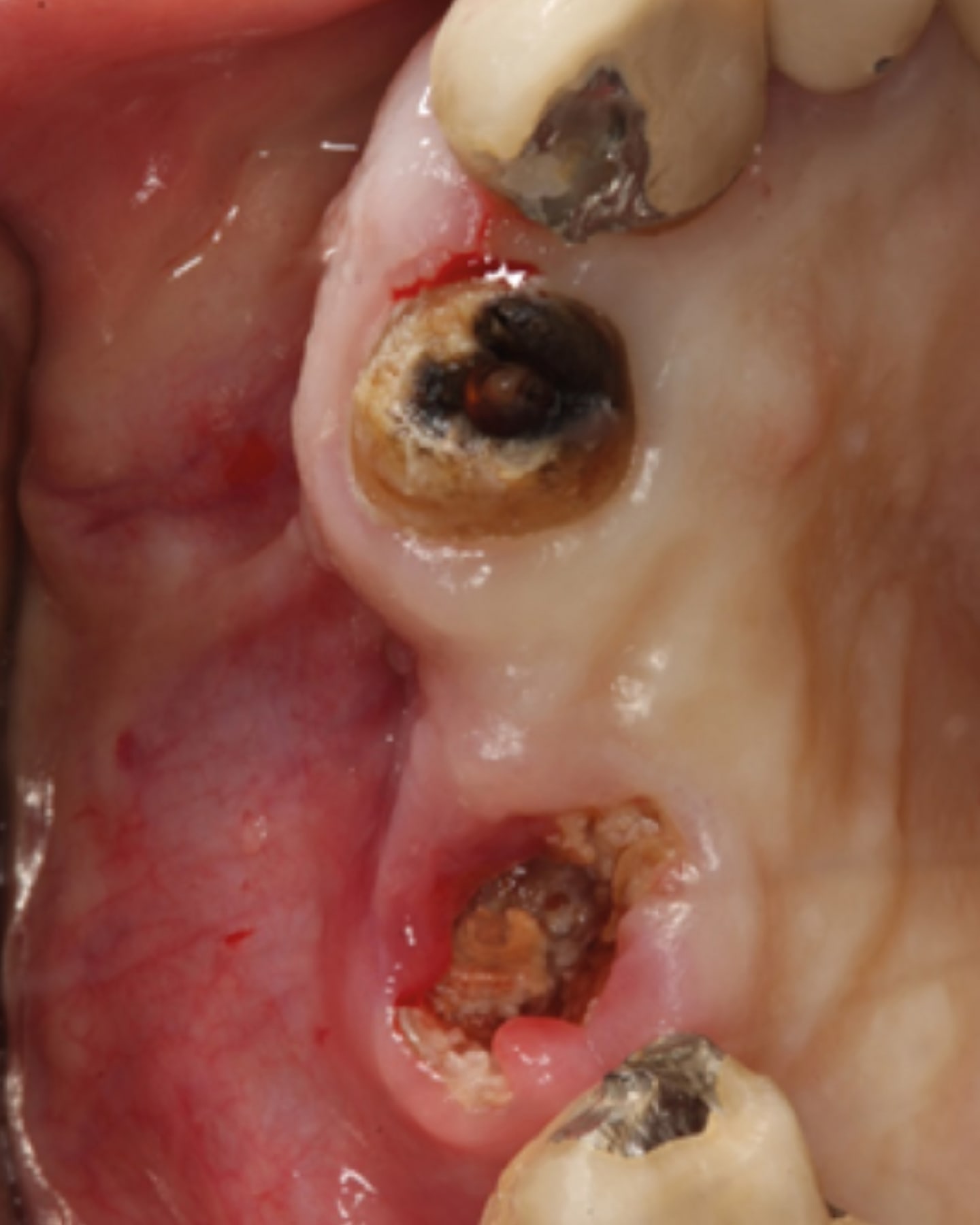
Clinical Report: Neuropeptide Pathways Associated with TRPV1 in Periodontitis
Overview
This review highlights the distinct roles of neuropeptide pathways in periodontitis and peri-implantitis, emphasizing the TRPV1-CGRP and SP-NK1R axes. It suggests that periodontitis may retain self-regulatory mechanisms through neural feedback, while peri-implantitis is more susceptible to chronic inflammation.
Background
Periodontitis and peri-implantitis are prevalent inflammatory diseases that significantly impact oral health and systemic conditions. Understanding the neuro-osteo-immune interactions in these diseases is crucial for developing targeted therapies. The distinct roles of neuropeptides in these conditions may inform clinical approaches to manage inflammation and bone loss.
Data Highlights
No numerical data available in the article.
Key Findings
The TRPV1-CGRP axis is associated with protective effects, promoting osteogenesis.
Substance P (SP) is linked to neurogenic inflammation and osteoclast activation in inflammatory settings.
Periodontitis retains some self-regulatory capacity through the periodontal ligament-mediated neural feedback.
Peri-implantitis may progress towards chronic inflammation due to reduced neural input.
Neural innervation impairment in peri-implant tissues can disrupt neuro-immune crosstalk.
Clinical Implications
Clinicians should consider the neuro-osteo-immune interactions when treating periodontitis and peri-implantitis. Targeting neuropeptide receptors may offer new therapeutic strategies to mitigate inflammation and promote bone health in these conditions.
Conclusion
The distinct neuropeptide pathways in periodontitis and peri-implantitis underscore the need for tailored therapeutic approaches. Further research is required to validate these findings in human disease and explore their clinical applications.
Peter Pizzi, MDT, CDT, discusses planning for optimal resuts, selecting the right restorative materials, and fostering collaboration among clinicians and labs.