Reduction of in-hospital mortality after implementation of a pediatric trauma unit for children with moderate and severe trauma at Baca Ortiz Children's Hospital. Quito–Ecuador - Report - MDSpire
Advertisement
Reduction of in-hospital mortality after implementation of a pediatric trauma unit for children with moderate and severe trauma at Baca Ortiz Children's Hospital. Quito–Ecuador
Clinical Report: Impact of Pediatric Trauma Unit on Mortality Rates in Ecuador
Overview
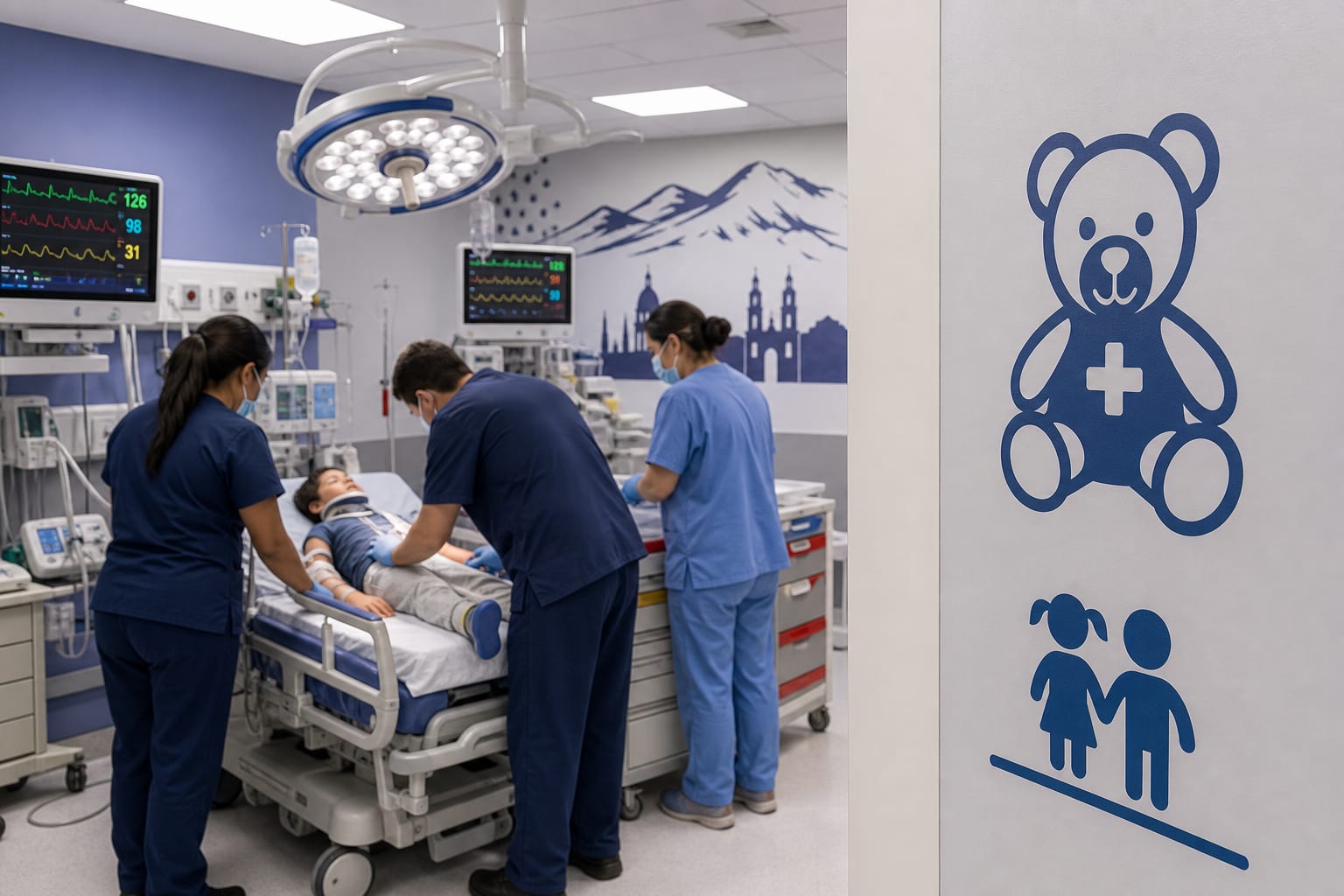
The establishment of a Pediatric Trauma Unit at Baca Ortiz Children's Hospital significantly reduced in-hospital mortality rates for children with moderate to severe injuries, from 16.3% to 3.3%. This study highlights the importance of specialized trauma care in improving outcomes for pediatric patients.
Background
Pediatric trauma is a leading cause of morbidity and mortality globally, with unintentional injuries accounting for the majority of deaths in children. In Ecuador, the lack of dedicated pediatric trauma care has contributed to high mortality rates. The implementation of specialized trauma units may enhance survival rates and functional outcomes for affected children.
Data Highlights
Period
In-Hospital Mortality Rate
Pre-Implementation
16.3%
Post-Implementation
3.3%
Key Findings
In-hospital mortality decreased from 16.3% to 3.3% after the Pediatric Trauma Unit's implementation.
Unit implementation was associated with an 88% reduction in the odds of death (adjusted OR 0.12; 95% CI 0.04–0.36; p < 0.001).
Patients who died had significantly higher pre-implementation BIG scores compared to survivors (p = 0.02).
Survival among patients with abdominal trauma improved post-implementation (p = 0.01).
The Pediatric Trauma Unit included specialized protocols and trained personnel aimed at reducing morbidity and mortality.
Clinical Implications
The findings underscore the necessity for specialized pediatric trauma units in hospitals to improve survival rates among injured children. Healthcare systems in similar contexts should consider establishing dedicated trauma care facilities to enhance patient outcomes.
Conclusion
The implementation of a Pediatric Trauma Unit at Baca Ortiz Children's Hospital has demonstrated a significant reduction in in-hospital mortality rates, reinforcing the need for specialized pediatric trauma care systems.
Related Resources & Content
Global Analysis of Pediatric Trauma Epidemiology: Findings from the PAPSA Research Initiative, 2017 -- https://link.springer.com/article/10.1007/s00268-017-4396-6
Childhood Trauma in the Netherlands: Rates, Injury Mechanisms, and Hospital Mortality Rates, 2022 -- https://link.springer.com/article/10.1007/s00268-022-06852-y
Annual Overview of Intensive Care Medicine, 2008 -- https://link.springer.com/article/10.1007/s00134-009-1433-4