Clinical Report: Evaluation of Postoperative Outcomes for Various Embolization Techniques in Splenic Artery Aneurysms
Overview
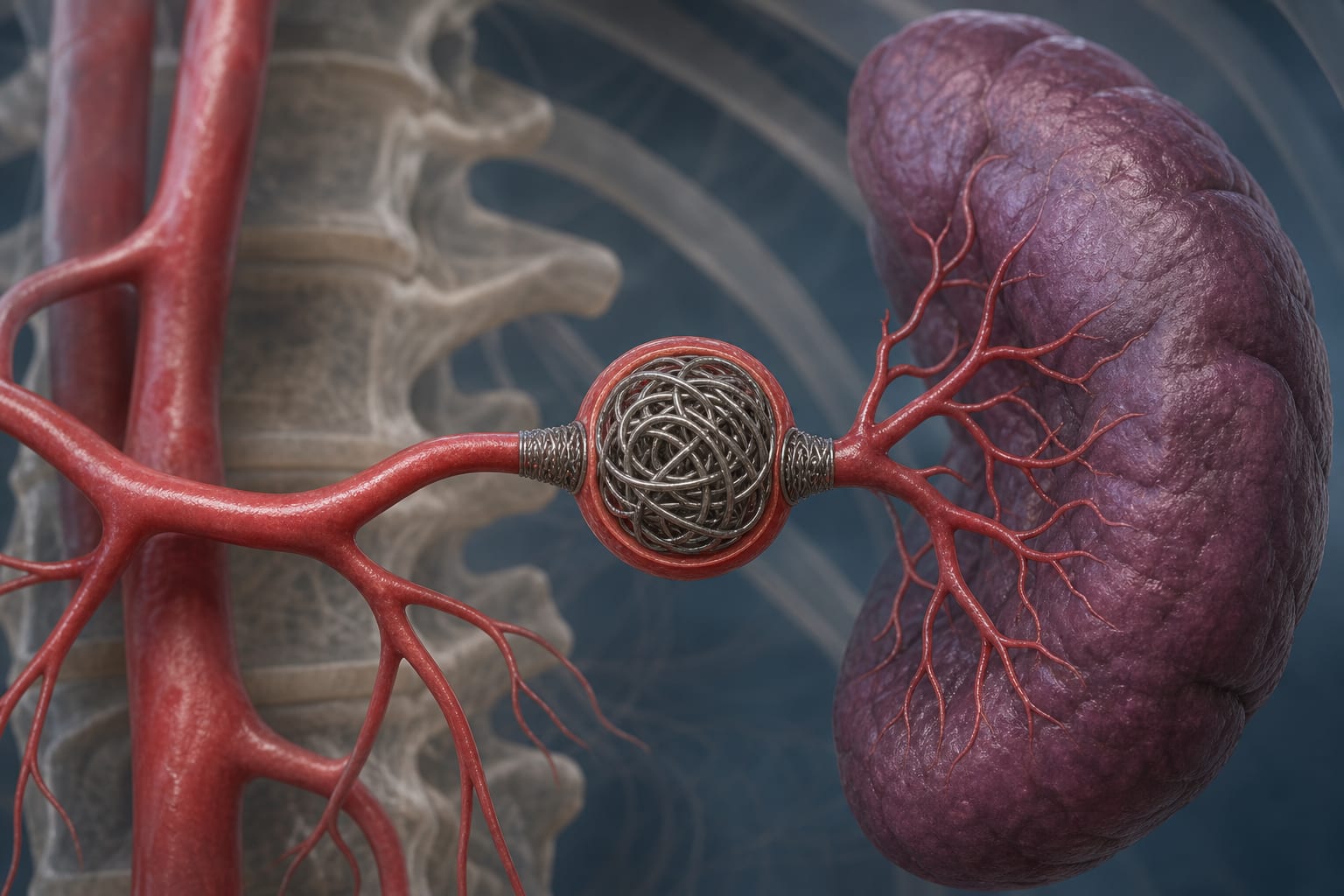
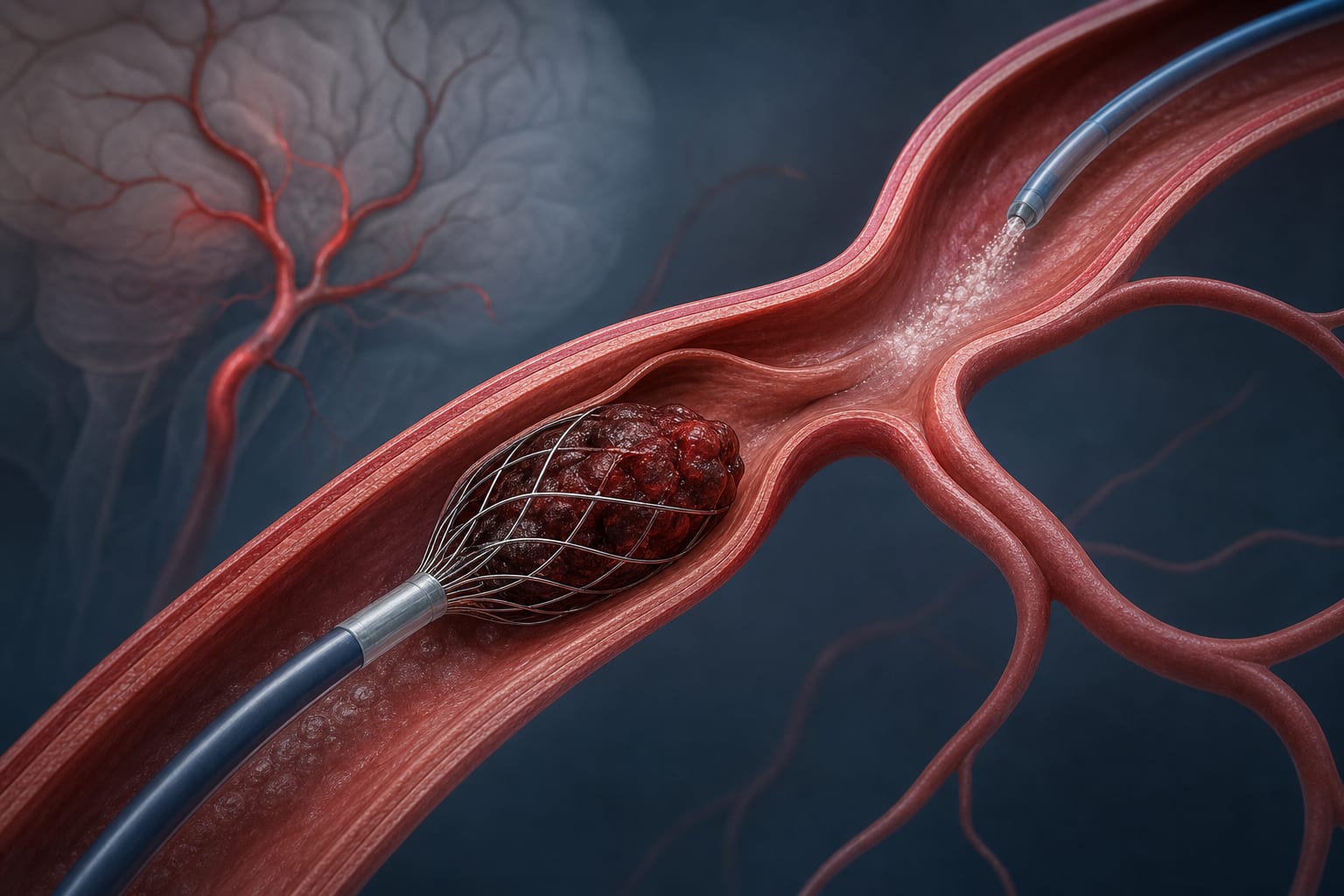
This study compares the postoperative effectiveness of the sandwich and mushroom embolization techniques for splenic artery aneurysms (SAAs). Both techniques achieved a technical success rate of 100%, with the mushroom technique demonstrating advantages in procedure time, hospital stay, and incidence of post-embolization syndrome.
Background
Splenic artery aneurysms (SAAs) are the most common type of visceral artery aneurysms, necessitating effective treatment strategies due to their potential complications. Endovascular techniques, particularly embolization, have become the preferred treatment modality for SAAs. Understanding the comparative effectiveness of different embolization techniques is crucial for optimizing patient outcomes.
Data Highlights
Outcome
Sandwich Technique
Mushroom Technique
Technical Success Rate
100%
100%
30-Day Mortality
0%
0%
Splenic Infarction Rate
0%
0%
Aneurysm Recanalization Rate
0%
0%
Key Findings
Both embolization techniques achieved a technical success rate of 100%.
30-day mortality, splenic infarction rate, and aneurysm recanalization rate were all 0% for both techniques.
The mushroom technique resulted in shorter procedure times compared to the sandwich technique.
Patients undergoing the mushroom technique had a reduced length of hospital stay and lower total hospitalization costs.
The incidence of post-embolization syndrome (PES) was lower in the mushroom technique group.
Univariate and multivariate analyses identified the number of aneurysms and the embolization method as independent risk factors for PES.
Clinical Implications
The findings suggest that the mushroom technique may be a more efficient option for embolization of SAAs, potentially leading to reduced healthcare costs and improved patient recovery times. Clinicians should consider these outcomes when selecting an embolization technique for SAA treatment.
Conclusion
The mushroom technique provides comparable short-term outcomes to the sandwich technique while offering advantages in procedure efficiency and reduced incidence of post-embolization syndrome.