Barriers to Implementing Myopia Management Strategies in Europe: Findings from an Expert Survey Conducted via Electronic and Telephone Methods - Report - MDSpire
Advertisement
Barriers to Implementing Myopia Management Strategies in Europe: Findings from an Expert Survey Conducted via Electronic and Telephone Methods
Barriers to Implementing Myopia Management Strategies in Europe
Overview
This report highlights the findings from an expert survey on the implementation of myopia management strategies across Europe, revealing significant disparities in workforce availability and prescribing rights. The recent approval of low-concentration atropine for children emphasizes the need for structured policies and guidelines to enhance myopia care.
Background
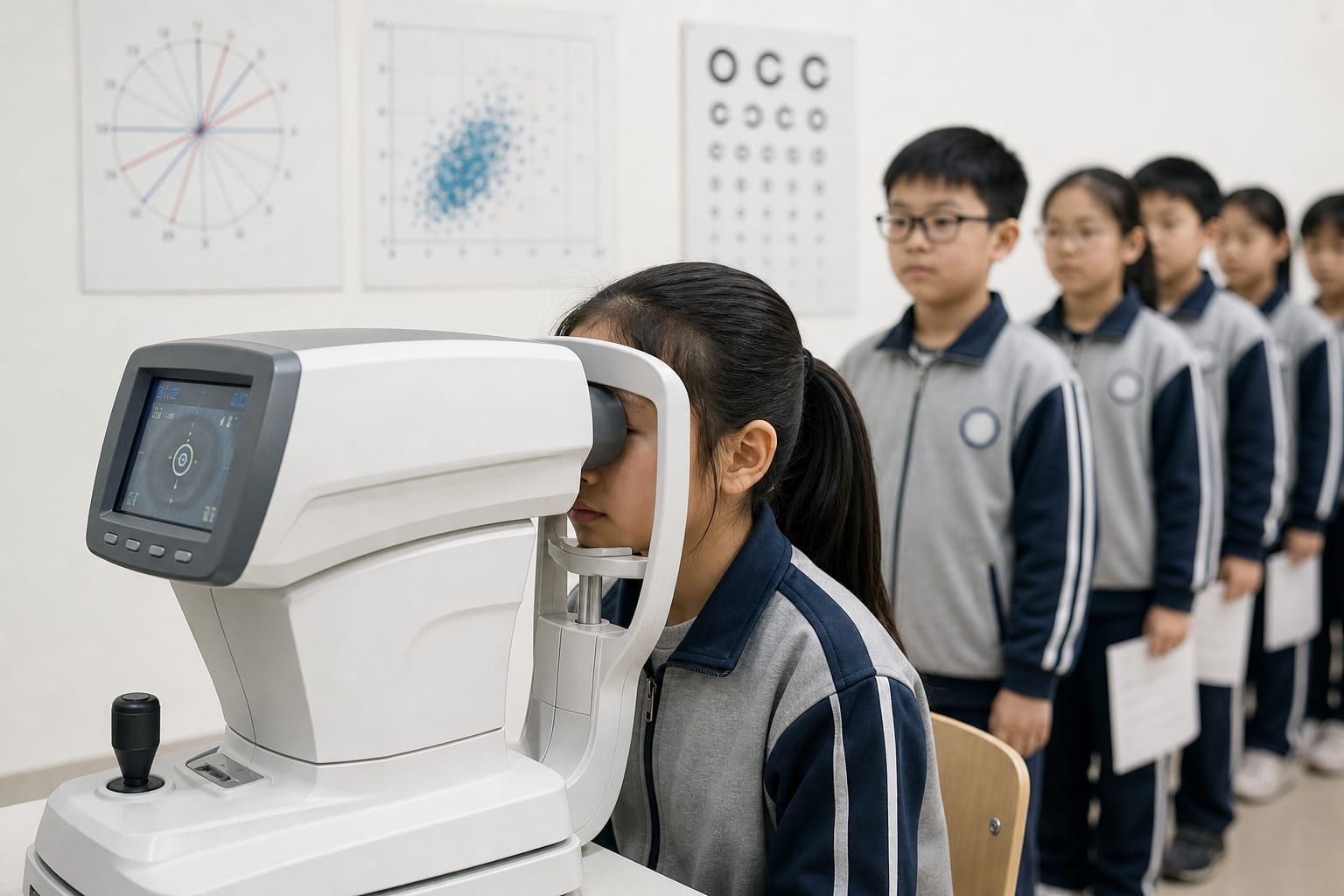
Myopia is a growing public health concern, projected to affect half of the global population by 2050, including a substantial number of children and young people. Effective management strategies, including pharmacological options like low-concentration atropine, are essential to mitigate the risks associated with myopia progression. However, the implementation of these strategies varies significantly across European countries, influenced by workforce availability and healthcare policies.
Data Highlights
Replace placeholder with relevant data or remove section if no data is available.
Key Findings
Low-concentration atropine has been approved for use in children aged 3 years and older to slow myopia progression.
There is significant variation in prescribing rights and workforce numbers among European countries.
Current workforce numbers for eye care professionals are insufficient compared to the population of children and young people in each country.
Policies and implementation pathways for myopia management are necessary to ensure equitable access to care.
Guidelines for training and standards of care in myopia management should be developed and endorsed by professional organizations.
Clinical Implications
Healthcare professionals should advocate for the development of clear policies and guidelines to facilitate the implementation of myopia management strategies. Increased collaboration among eye care providers is essential to ensure that children at risk of myopia progression receive timely and effective interventions.
Conclusion
The findings underscore the urgent need for coordinated efforts to improve myopia management across Europe, particularly in light of new pharmacological options. Addressing workforce shortages and establishing clear guidelines will be critical to enhancing care for children with myopia.