Steroid Pulse Therapy Benefits GFAP Astrocytopathy
-
By
-
Andrea Surnit
-
April 15, 2026
-
2 min
Steroid Pulse Therapy Benefits Autoimmune GFAP Astrocytopathy
Overview
High-dose corticosteroid pulse therapy led to marked clinical and neuroimaging improvement in a 19-year-old woman with autoimmune glial fibrillary acidic protein (GFAP) astrocytopathy. This rare inflammatory CNS disorder presents with subacute meningoencephalitic symptoms and characteristic MRI findings.
Background
Autoimmune GFAP astrocytopathy is a rare inflammatory disorder of the central nervous system characterized by subacute meningoencephalitic symptoms such as fever, headache, and altered consciousness. Diagnosis is based on detection of GFAP antibodies in cerebrospinal fluid combined with clinical and radiologic features, including symmetrical radial periventricular enhancement on MRI. High-dose corticosteroids, often combined with intravenous immunoglobulin, are considered first-line treatments and typically result in clinical improvement. Because the disorder may be associated with underlying malignancies, tumor screening is recommended after diagnosis.
Data Highlights
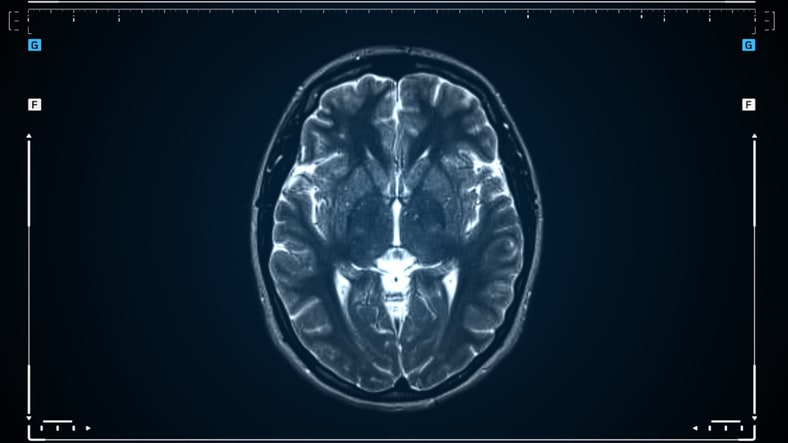
A 19-year-old woman presented with intermittent fever, pulsatile temporal headache, transient loss of consciousness, and blurred vision. MRI revealed multifocal T1/T2 hyperintensities with perivascular enhancement in periventricular regions, pons, corona radiata, and cervical spine. Cerebrospinal fluid analysis showed lymphocytic pleocytosis, markedly elevated protein, and increased pressure. Following high-dose corticosteroid pulse therapy, marked clinical and neuroimaging improvement was observed.
Key Findings
- High-dose corticosteroid pulse therapy was associated with marked clinical improvement in autoimmune GFAP astrocytopathy.
- MRI findings included multifocal T1/T2 hyperintensities with perivascular enhancement, especially symmetrical radial periventricular enhancement.
- Cerebrospinal fluid analysis showed lymphocytic pleocytosis and elevated protein levels.
- The disorder presents with subacute meningoencephalitic symptoms such as fever, headache, and transient loss of consciousness.
- Diagnosis relies on detection of GFAP antibodies in cerebrospinal fluid alongside clinical and radiologic features.
- Tumor screening is recommended due to possible association with underlying malignancies.
Clinical Implications
Clinicians should consider autoimmune GFAP astrocytopathy in patients presenting with subacute meningoencephalitic symptoms and characteristic MRI findings. Early initiation of high-dose corticosteroid pulse therapy can lead to significant clinical and radiologic improvement. Additionally, tumor screening is important given the potential association with malignancies.
Conclusion
This case highlights the efficacy of high-dose corticosteroid pulse therapy in autoimmune GFAP astrocytopathy and underscores the importance of recognizing its clinical and radiologic features for timely diagnosis and treatment.
Related Resources & Content
- Annals of Clinical and Translational Neurology -- Steroid Pulse Therapy Benefits GFAP Astrocytopathy
Based on findings from:
Steroid Pulse Therapy Benefits GFAP Astrocytopathy
Andrea Surnit. Conexiant, 2026.
https://conexiant.com/neurology/articles/steroid-pulse-therapy-benefits-gfap-astrocytopathy/
This content is an AI-generated, fully rewritten summary based on a published scholarly article. It does not reproduce the original text and is not a substitute for the original publication. Readers are encouraged to consult the source for full context, data, and methodology.