Factors Contributing to Patient Dissatisfaction Following the Use of Extended Depth-of-Focus and Trifocal Intraocular Lenses: A Retrospective Analysis - Report - MDSpire
Clinical Report: Factors Contributing to Dissatisfaction After EDOF and Trifocal IOLs
Overview
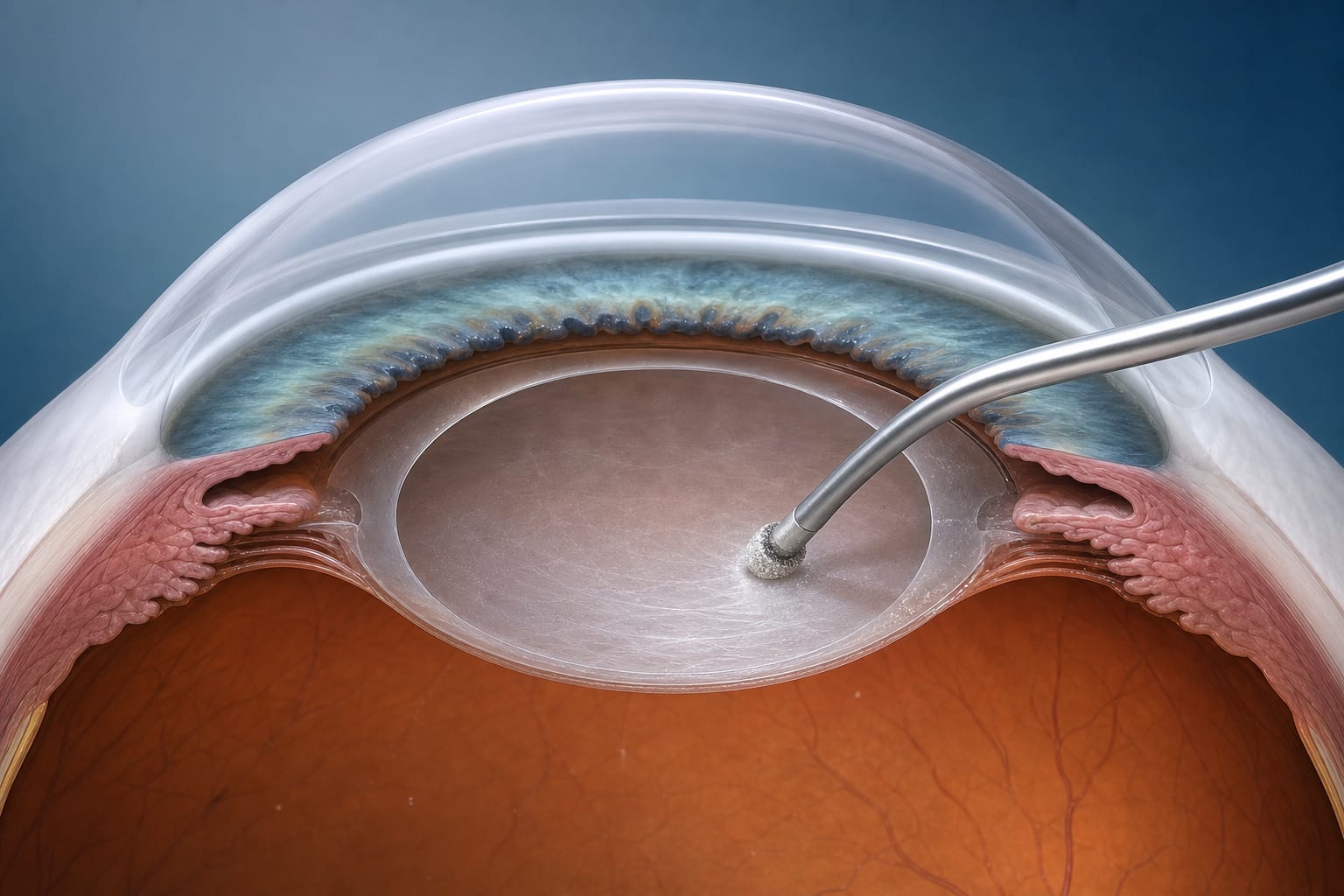
This retrospective analysis evaluated causes of patient dissatisfaction following implantation of extended depth-of-focus (EDOF) and trifocal intraocular lenses (IOLs). The study identified key factors such as residual refractive errors, ocular surface disease, and optical aberrations contributing to postoperative dissatisfaction, providing insights for improved patient management.
Background
Presbyopia-correcting intraocular lenses (IOLs), including multifocal and extended depth-of-focus designs, are increasingly used in refractive cataract surgery to restore vision at multiple distances. Trifocal IOLs provide three focal points, while EDOF IOLs extend the focal range to improve intermediate vision. Despite generally satisfactory outcomes, some patients experience postoperative dissatisfaction due to blurred vision, visual disturbances, or ocular discomfort. Understanding the specific causes of dissatisfaction is essential to optimize patient selection and postoperative care.
Data Highlights
The study included patients implanted with either AcrySof IQ Vivity (EDOF) or PanOptix TFNT00 (trifocal) IOLs. Comprehensive preoperative and postoperative assessments were conducted, including visual acuity measurements (converted to logMAR), ocular biometry, aberration analysis, and ocular surface evaluation. Statistical analyses compared outcomes between groups, with significance set at P < 0.05.
Key Findings
Postoperative dissatisfaction was associated with residual refractive errors, optical aberrations, and ocular surface disease.
EDOF IOL patients were targeted for slight myopic refractive power (-0.25 to -0.40D) in the non-primary eye, whereas trifocal IOL patients aimed for emmetropia.
Visual quality indices and aberration measurements helped identify optical causes of dissatisfaction.
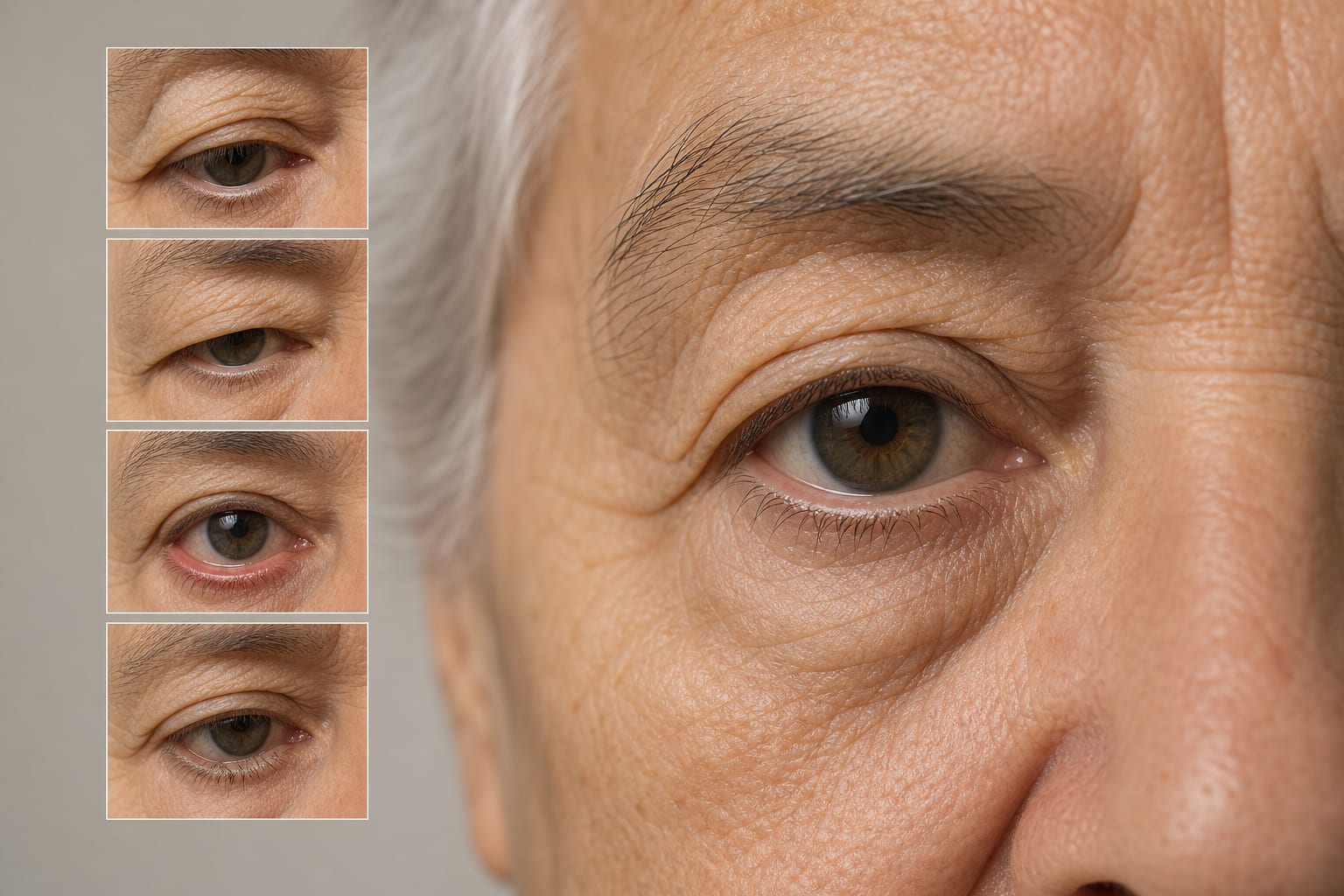
Ocular surface assessments revealed dry eye symptoms contributing to discomfort and dissatisfaction.
Cases without identifiable organic lesions but with dissatisfaction were classified as "disappointment," highlighting subjective factors beyond measurable parameters.
Clinical Implications
Clinicians should carefully evaluate and manage residual refractive errors and ocular surface conditions to reduce postoperative dissatisfaction in patients receiving EDOF or trifocal IOLs. Preoperative patient counseling regarding potential optical phenomena and realistic visual expectations is critical. Tailored postoperative interventions, including refractive correction and dry eye treatment, may improve patient satisfaction.
Conclusion
This study underscores the multifactorial nature of dissatisfaction following presbyopia-correcting IOL implantation. Comprehensive assessment and individualized management strategies are essential to optimize visual outcomes and patient satisfaction with EDOF and trifocal IOLs.
Related Resources & Content
Clinical Consensus on the Clinical Application of Multifocal Intraocular Lenses in China (2019)
Aqueous humor sampling confirmed iris metastasis in a patient with refractory secondary glaucoma and lung adenocarcinoma, avoiding iris tissue sampling.