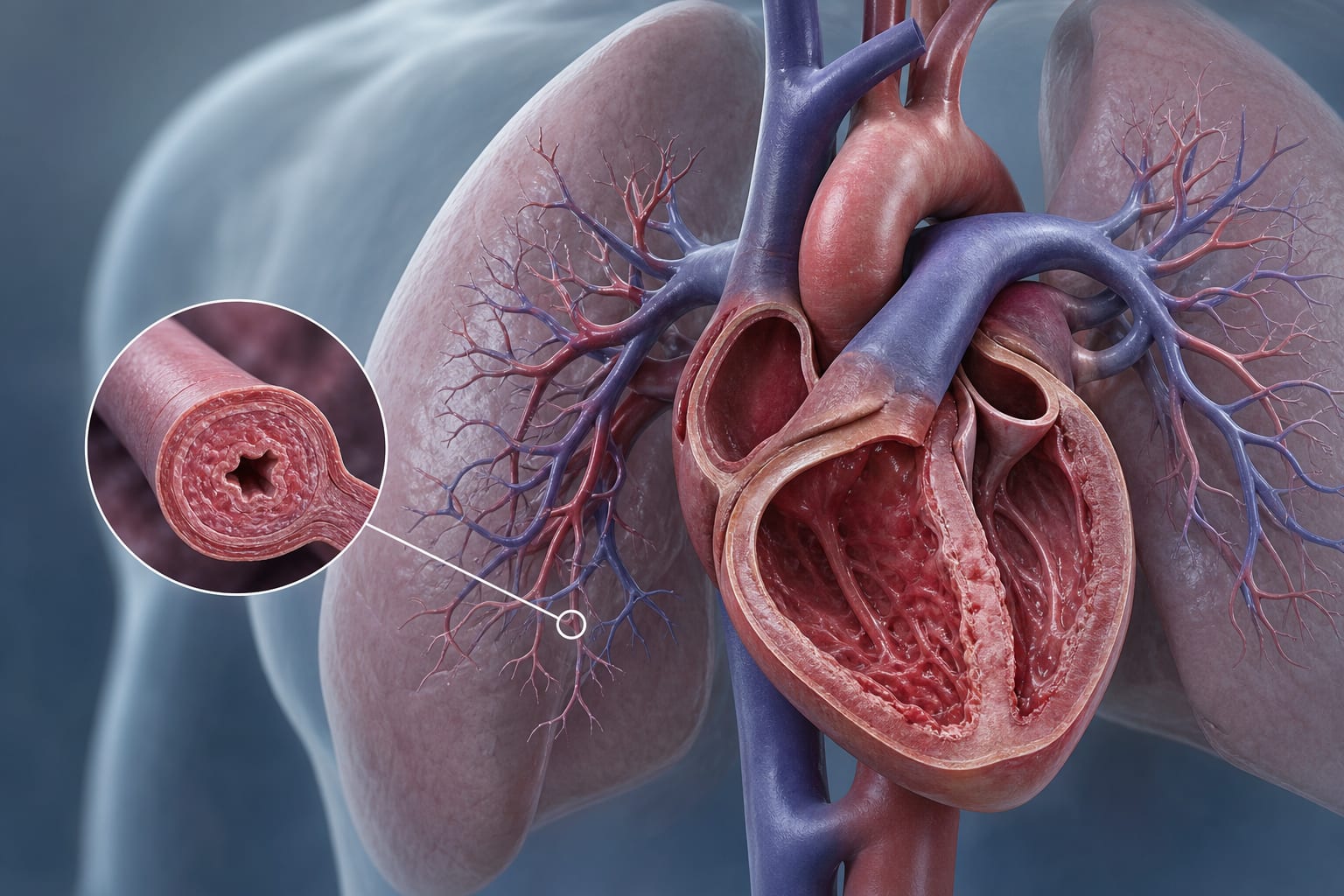
Clinical Report: Exploring Patient Perspectives on Nurse-Directed eHealth Strategies
Overview
This qualitative systematic review and meta-synthesis explores patient perspectives on nurse-directed eHealth interventions for chronic heart failure (CHF). It highlights the importance of understanding patient experiences to enhance the effectiveness and sustainability of these interventions.
Background
Chronic heart failure (CHF) is a significant public health issue, affecting over 64 million individuals globally. Effective self-management is crucial for improving patient outcomes, yet many patients struggle with adherence due to various barriers. Nurse-led eHealth interventions represent a promising approach to enhance self-management and support patients in managing their condition.
Data Highlights
The qualitative systematic review identified key themes related to patient experiences with nurse-led eHealth interventions, including perceived benefits, challenges faced during implementation, and the importance of continuous support.
Key Findings
Nurse-led eHealth interventions can improve self-management adherence in CHF patients.
Patients' subjective experiences with eHealth interventions are critical for understanding their effectiveness.
Barriers to technology use, such as technical difficulties and feelings of anxiety, are important dimensions of patient feedback.
Existing studies have primarily focused on objective outcomes, neglecting patient perspectives.
Continuous professional guidance is essential for sustaining self-care behaviors in CHF management.
Clinical Implications
The findings from this review highlight the necessity of incorporating patient feedback into the design of eHealth interventions to better align them with patient needs.
Conclusion
Incorporating patient feedback into the development of nurse-directed eHealth strategies is essential for enhancing their effectiveness and sustainability in chronic heart failure care.