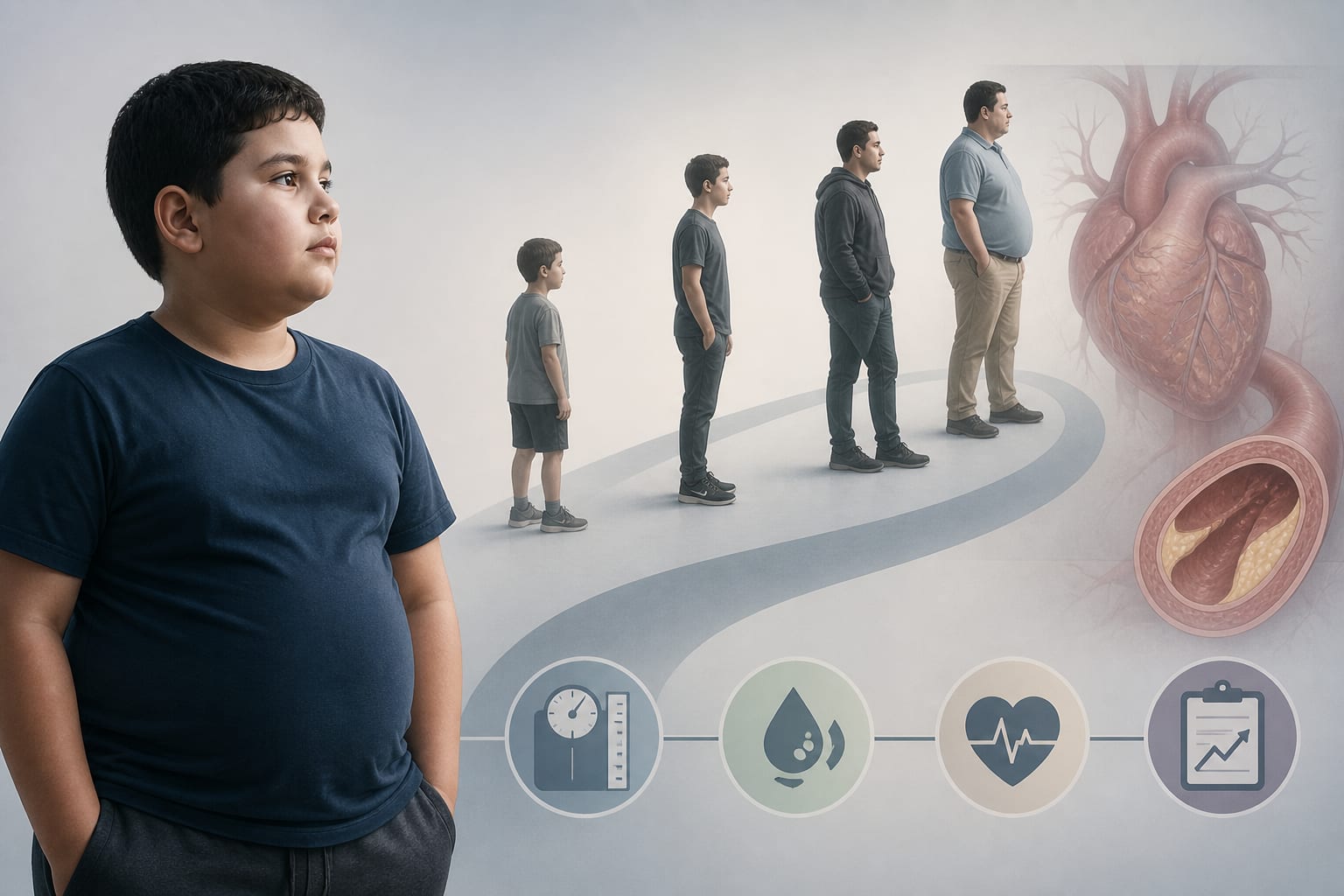
Discrepancies Between Self-Reported and Measured Anthropometric Data Underestimate BMI
Overview
This study of 408 Italian endocrinology outpatients found that self-reported height and weight systematically bias BMI downward, leading to a 20% misclassification rate of WHO BMI categories, primarily under-classification of obesity. Height was over-reported by an average of 3.13 cm, weight under-reported by 0.97 kg, and BMI underestimated by 1.63 kg/m².
Background
Self-reported height and weight are commonly used in clinical and epidemiologic settings due to ease and low cost, but they introduce systematic errors. Individuals tend to overestimate height and underestimate weight, resulting in BMI values that are lower than measured values. This bias can delay appropriate obesity management and varies by demographic factors such as age and sex. Prior studies have not focused on Italian clinical populations in endocrinology and obesity settings.
Data Highlights
Parameter
Mean Difference (Self-Reported - Measured)
95% Confidence Interval
Height (cm)
+3.13
+2.90 to +3.36
Weight (kg)
−0.97
−1.29 to −0.65
BMI (kg/m²)
−1.63
−1.80 to −1.47
WHO BMI-category misclassification rate: 20.0% (mostly under-classification 19.4%)
Sensitivity for obesity detection (BMI ≥30 kg/m²) using self-report: 0.72
Specificity for obesity detection using self-report: 1.00
Key Findings
Participants over-reported height by an average of 3.13 cm.
Weight was under-reported by an average of 0.97 kg.
BMI calculated from self-reported data underestimated true BMI by 1.63 kg/m² on average.
20% of participants were misclassified into incorrect WHO BMI categories based on self-report, predominantly under-classified.
Sensitivity of self-reported BMI to detect obesity was 72%, with perfect specificity (100%).
Age predicted height over-reporting; age and measured BMI predicted weight under-reporting and BMI underestimation.
Clinical Implications
Given the substantial underestimation of BMI from self-reported data and the resulting misclassification of obesity status, clinicians should prioritize objective anthropometric measurements in outpatient settings. Reliance on self-reported height and weight may delay appropriate obesity diagnosis and treatment decisions, particularly in older adults and patients with higher BMI.
Conclusion
Self-reported anthropometric data systematically underestimate BMI and lead to significant misclassification of obesity in clinical populations. Objective measurement of height and weight is essential to ensure accurate obesity assessment and appropriate clinical management.
References
Study Authors/Policlinico Umberto I/2024 -- Discrepancies Between Self-Reported and Measured Anthropometric Data Result in Significant Underestimation of Body Mass Index
These 10 states have paid family or medical leave programs and health, wellness, peer support, or monitoring resources available to physicians or other health professionals.