Clinical Report: Molecular Mechanisms of Insulin Resistance in PCOS
Overview
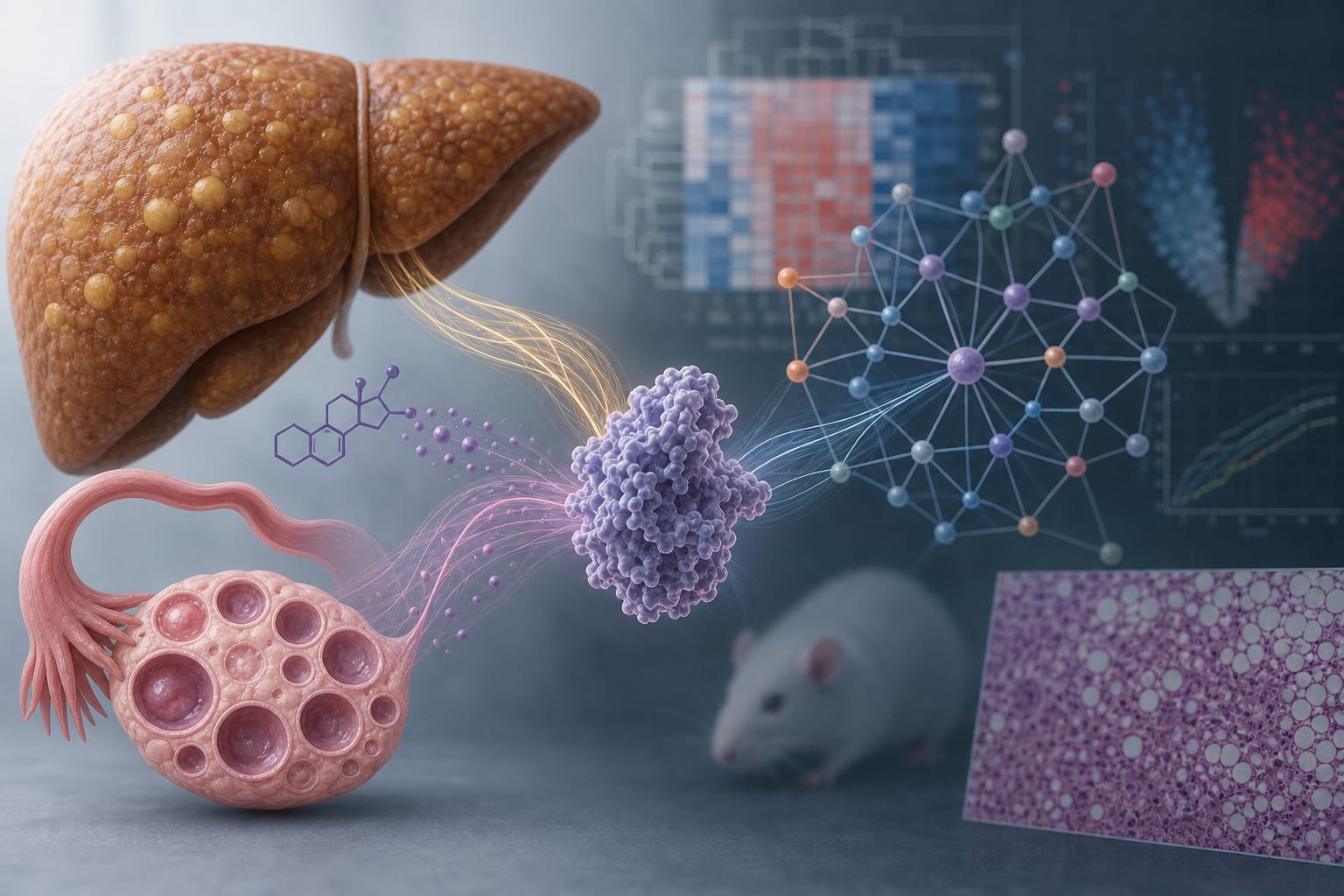
Polycystic ovary syndrome (PCOS) is frequently associated with insulin resistance and disrupted carbohydrate metabolism, independent of body mass. This review highlights key molecular defects in insulin signaling pathways, glucose transport, mitochondrial function, and inflammation across multiple tissues in PCOS.
Background
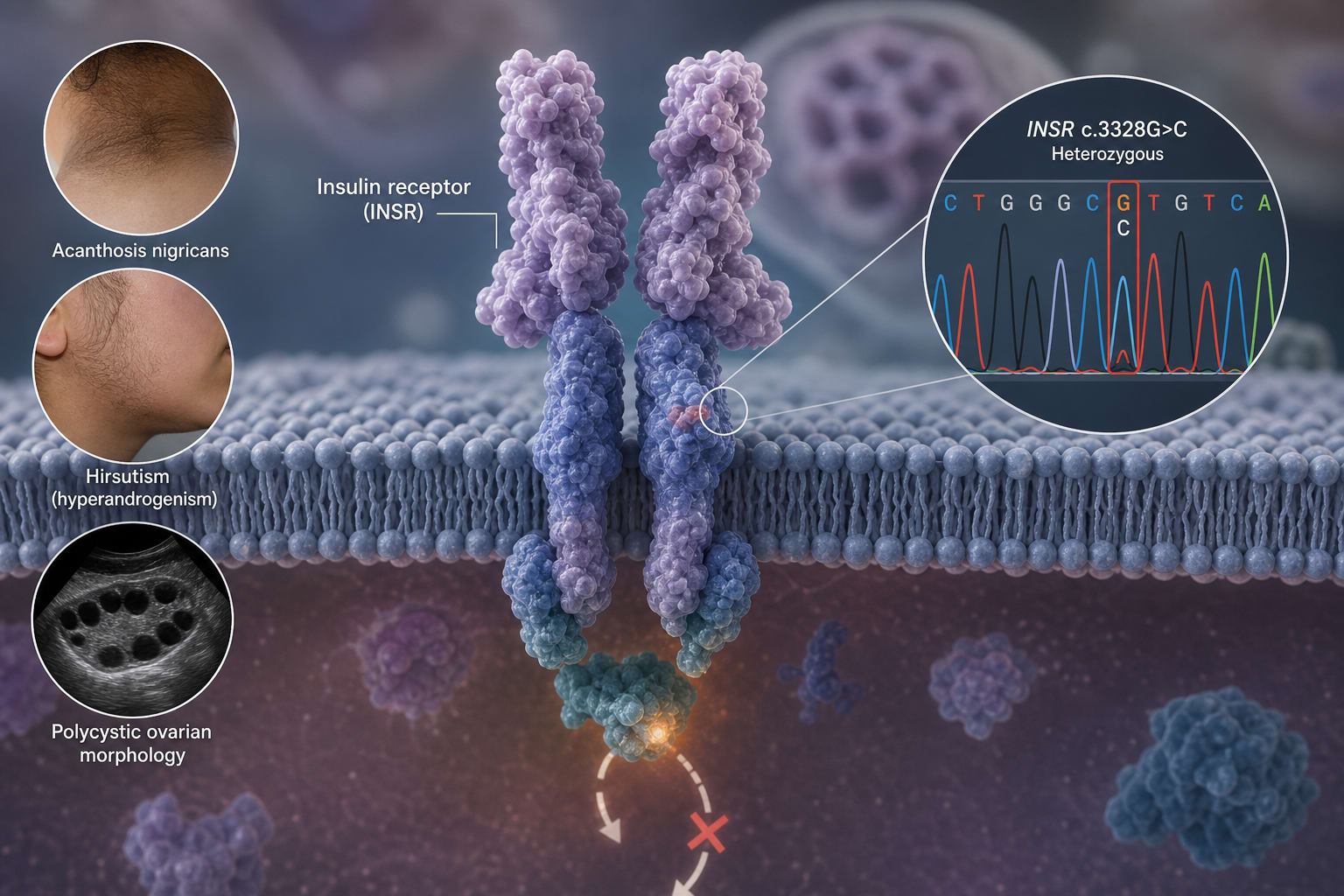
PCOS affects 6-13% of reproductive-aged women and is characterized by reproductive and metabolic abnormalities, including oligo- or anovulation and hyperandrogenism. Insulin resistance is present in 75–95% of women with PCOS, contributing to increased risks of type 2 diabetes and cardiovascular disease. Despite clinical recognition, the molecular basis of insulin resistance and carbohydrate metabolism dysregulation in PCOS remains incompletely understood. Recent guidelines emphasize metabolic monitoring but lack diagnostic criteria for insulin resistance due to testing limitations.
Data Highlights
The review synthesized evidence from studies published between 2018 and 2025, encompassing human, animal, and in vitro models. Key molecular disturbances identified include defects in IRS/PI3K/AKT and MAPK signaling pathways, impaired GLUT4 expression and trafficking, mitochondrial and glycolytic dysfunction, chronic low-grade inflammation, androgen receptor–mediated metabolic reprogramming, circadian rhythm disruption, and epigenetic/environmental modulators. Most data derive from granulosa cells and ovarian tissue, with additional insights from endometrium, liver, adipose tissue, skeletal muscle, pancreatic beta-cells, and systemic pathways.
Key Findings
Insulin resistance in PCOS involves post-receptor signaling defects primarily in IRS/PI3K/AKT and MAPK pathways.
GLUT4 glucose transporter expression and trafficking are impaired, reducing cellular glucose uptake.
Mitochondrial dysfunction and altered glycolysis contribute to disrupted energy metabolism in affected tissues.
Chronic low-grade inflammation exacerbates insulin signaling impairment and metabolic dysregulation.
Evidence is predominantly from animal and cell models; human studies remain limited and heterogeneous.
Clinical Implications
Clinicians should recognize insulin resistance as a central metabolic feature of PCOS, independent of obesity, warranting regular glycemic monitoring. Understanding molecular defects may guide future targeted therapies addressing insulin signaling pathways, inflammation, and androgen-driven metabolic changes. Current diagnostic tools for insulin resistance lack accuracy, underscoring the need for improved biomarkers and longitudinal human studies.
Conclusion
This comprehensive review maps the complex molecular landscape of insulin resistance and carbohydrate metabolism disruption in PCOS, highlighting critical pathways and knowledge gaps. Advancing human-based research is essential to translate mechanistic insights into effective clinical interventions.
Related Resources & Content
International Evidence-Based Guideline for PCOS, 2018 -- Diagnosis and Management
Joanna Briggs Institute, 2025 -- Methodological Guidance for Scoping Reviews
by Mikołaj Kisiała, Wiktoria Mazepa, Dominika Bauer, Patrycja Tabaka, Michał Gas, Aleksander Sowiński, Krzysztof Wolak, Albert Synal, Julia Gąsiorowska, Oliwia Sas, Wojciech Urbański, Oliwier Pioterek, Mateusz Mazurek, Zygmunt Domagała