The effect of traumatic birth perception and fear of childbirth on cesarean section intention
-
By
-
Betul Uncu
-
Emine Serap Cagan
-
Rukiye Duman
-
March 30, 2026
-
0 min
Impact of Perceived Traumatic Birth Experiences and Childbirth Anxiety on the Decision for Cesarean Delivery
Overview
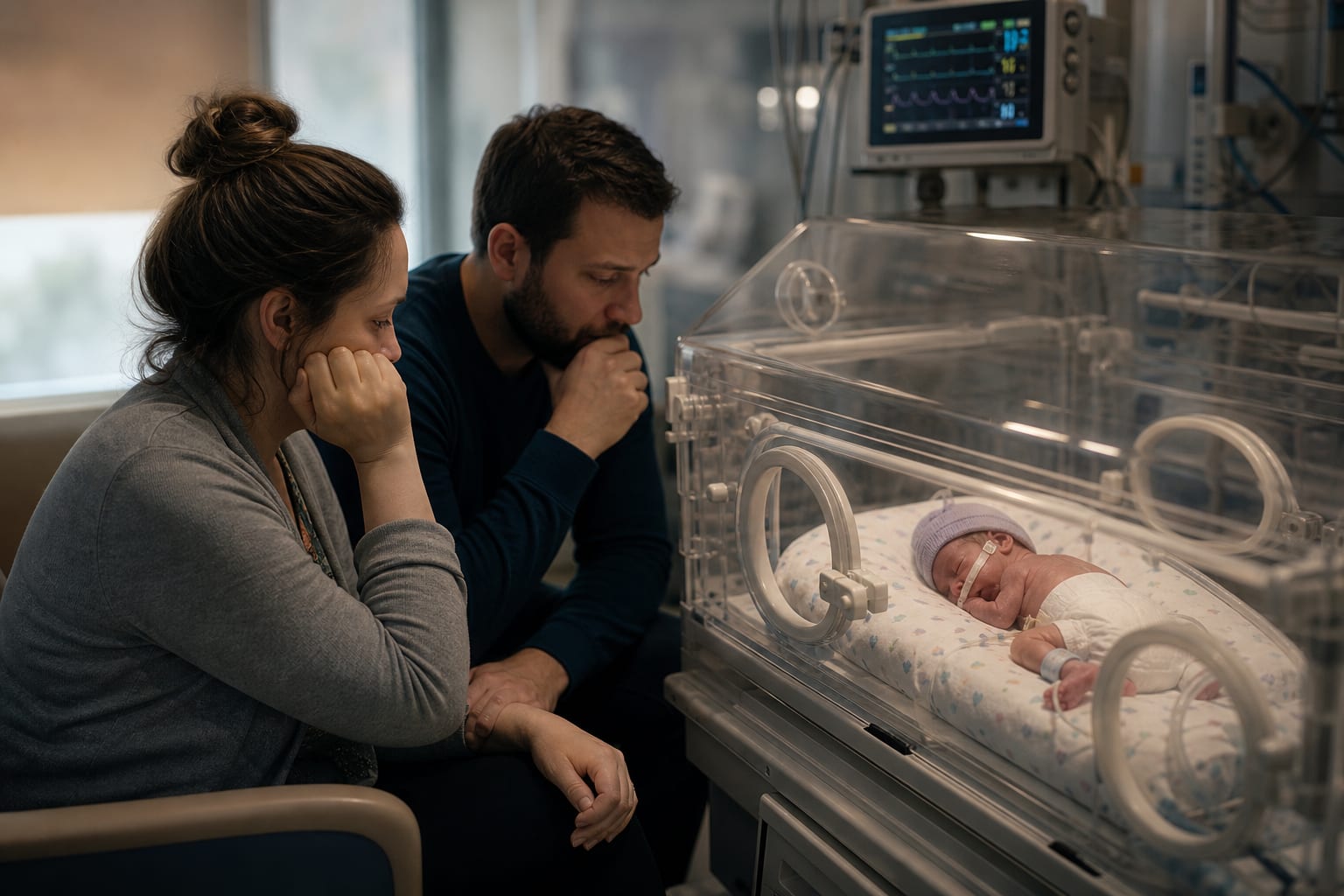
This study investigates how perceived traumatic birth experiences and childbirth anxiety influence the decision-making process for cesarean delivery among primiparous pregnant women. Findings indicate a significant relationship between these psychological factors and the intention to opt for cesarean delivery.
Background
Childbirth is a critical event that can have lasting psychological effects on women. Understanding the factors that contribute to negative perceptions of childbirth, such as fear and trauma, is essential for improving maternal mental health and guiding clinical practices. The rising rates of cesarean deliveries globally highlight the need to address these psychological aspects in prenatal care.
Data Highlights
No numerical data available in the source material.
Key Findings
- 42.4% of pregnant women in Turkey experience fear of childbirth.
- Women with high levels of traumatic birth perception report lower birth satisfaction.
- Fear of childbirth is linked to previous negative birth experiences and inadequate social support.
- Cesarean delivery is often viewed as a means to regain control over the childbirth experience.
- There is a significant positive relationship between perceived traumatic birth and intention to have a cesarean section.
Clinical Implications
Healthcare providers should recognize the psychological factors influencing women's birth choices, particularly the impact of traumatic birth perceptions and anxiety. Implementing supportive counseling and education can help address these concerns and potentially reduce unnecessary cesarean deliveries.
Conclusion
Addressing the psychological aspects of childbirth is crucial for improving maternal health outcomes. Understanding the relationship between traumatic birth perceptions and cesarean delivery decisions can inform better clinical practices and support for expectant mothers.
Related Resources & Content
- BMC Pregnancy and Childbirth, 2026 -- The relationship between pregnant women’s perception of traumatic birth and their vaginal birth self-efficacy: a cross-sectional study
- BMC Pregnancy and Childbirth, 2026 -- Prevalence of maternal psychological disorders after immediate postpartum hemorrhage: a repeated nested cross-sectional survey in a cohort study
- Archives of Gynecology and Obstetrics, 2026 -- Trends and adverse pregnancy outcomes associated with post-traumatic stress disorder: a population-based study of delivery hospitalisations
- JAMA Network, 2026 -- Cesarean Delivery on Maternal Request
- Journal of Crohn's and Colitis — Adverse maternal outcomes after vaginal versus caesarean delivery in women with Crohn’s disease and prior perianal surgery: a population-based study
- WHO calls for global expansion of midwifery models of care
- Recommendations | Caesarean birth | Guidance | NICE
- Cesarean Delivery on Maternal Request | Pediatrics | JAMA | JAMA Network
- Intrapartum care - NCBI Bookshelf
- Psychological predictors of cesarean delivery on maternal request in upper middle-income settings and the mitigating role of prenatal psychological education: a multicenter longitudinal study - PubMed
- Prevalence of negative birth experience: a systematic review and meta-analysis | BMC Pregnancy and Childbirth | Springer Nature Link
- The relationship between perceived social support and fear of childbirth in pregnant women: a systematic review and meta-analysis | BMC Psychology | Springer Nature Link
- The role of personality traits on fear of childbirth in pregnant women: A systematic review and meta-analysis - PubMed
- Comparative efficacy of non-pharmacological interventions on fear of childbirth for pregnant women: a systematic review and network meta-analysis
- https://bmcpregnancychildbirth.biomedcentral.com/counter/pdf/10.1186/s12884-025-07341-5.pdf
- Frontiers | Empowering women through trauma-informed maternity care: the EMPATHY framework
- Transforming care by integrating maternity and psychological support: a mixed-methods evaluation of a Maternal Mental Health Service | BMC Pregnancy and Childbirth | Full Text
This content is an AI-generated, fully rewritten summary based on a published scholarly article. It does not reproduce the original text and is not a substitute for the original publication. Readers are encouraged to consult the source for full context, data, and methodology.