Motivational Influences and Pathways in Stroke Rehabilitation via Self-Determination Theory
Overview
This study assessed rehabilitation motivation in 430 stroke patients, revealing a moderately high motivation level influenced by psychosocial factors. Key predictors included self-efficacy, social support, anxiety-depression, environmental factors, and socioeconomic variables, explaining over 70% of motivation variance.
Background
Stroke is a leading cause of long-term disability globally, with rehabilitation critical for functional recovery and quality of life. However, insufficient rehabilitation motivation is a common barrier to effective recovery. Self-determination theory highlights the importance of fulfilling psychological needs—relatedness, competence, and autonomy—to enhance motivation. Understanding motivational influences can inform targeted interventions to improve rehabilitation outcomes.
Data Highlights
Variable
Association with Rehabilitation Motivation
Effect Size (β)
Significance (p-value)
Social Support
Direct positive
0.17
0.002
Self-Efficacy
Direct positive
0.132
<0.001
Anxiety and Depression
Direct negative
-0.285
<0.001
Environmental Factors
Direct negative
-0.496
<0.001
Other Predictors
Monthly income, family relationships, employment status, rehabilitation duration
Not specified
<0.05
Key Findings
The mean rehabilitation motivation score was 105.73 ± 22.03, indicating a moderately high motivation level among stroke patients.
Self-efficacy and social support positively influenced rehabilitation motivation directly.
Anxiety, depression, and adverse environmental factors negatively impacted motivation levels.
Self-efficacy and anxiety-depression mediated the relationship between social support and environmental factors on motivation.
Socioeconomic factors such as monthly household income, family relationships, employment status, and rehabilitation duration significantly predicted motivation, explaining 70.4% of variance.
Clinical Implications
Clinicians should adopt family-centered and psychosocially integrated motivational interventions to enhance rehabilitation engagement in stroke survivors. Incorporating digital technologies may optimize support systems and improve the rehabilitation experience. Addressing psychological factors such as anxiety and depression alongside enhancing self-efficacy and social support is essential for sustaining motivation.
Conclusion
Rehabilitation motivation in stroke patients is multifactorial, influenced by psychological, social, and environmental factors. Targeted interventions grounded in self-determination theory can effectively enhance motivation and potentially improve rehabilitation outcomes.
Related Resources & Content
Study Authors/2024 -- Exploring Motivational Influences and Pathways for Rehabilitation in Stroke Survivors Through the Lens of Self-Determination Theory
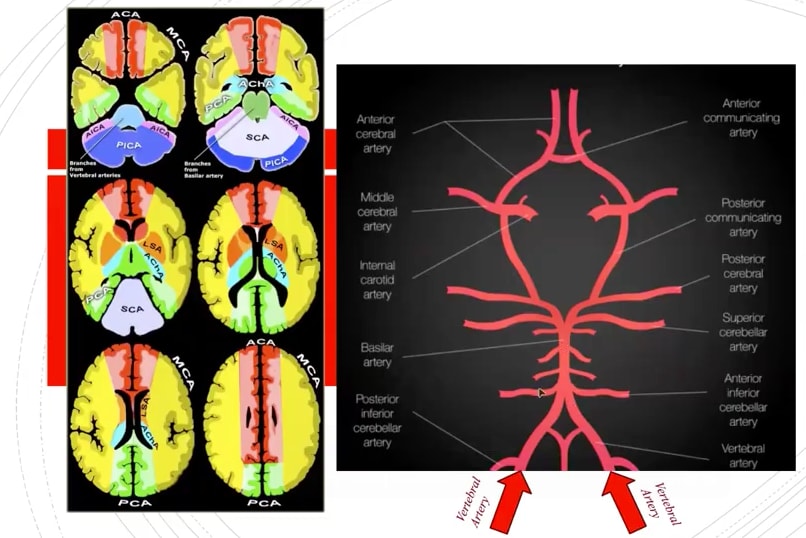
Bowhunter syndrome (BHS) is a rare but important cause of posterior circulation stroke in children, resulting from vertebral artery compression during head rotation.