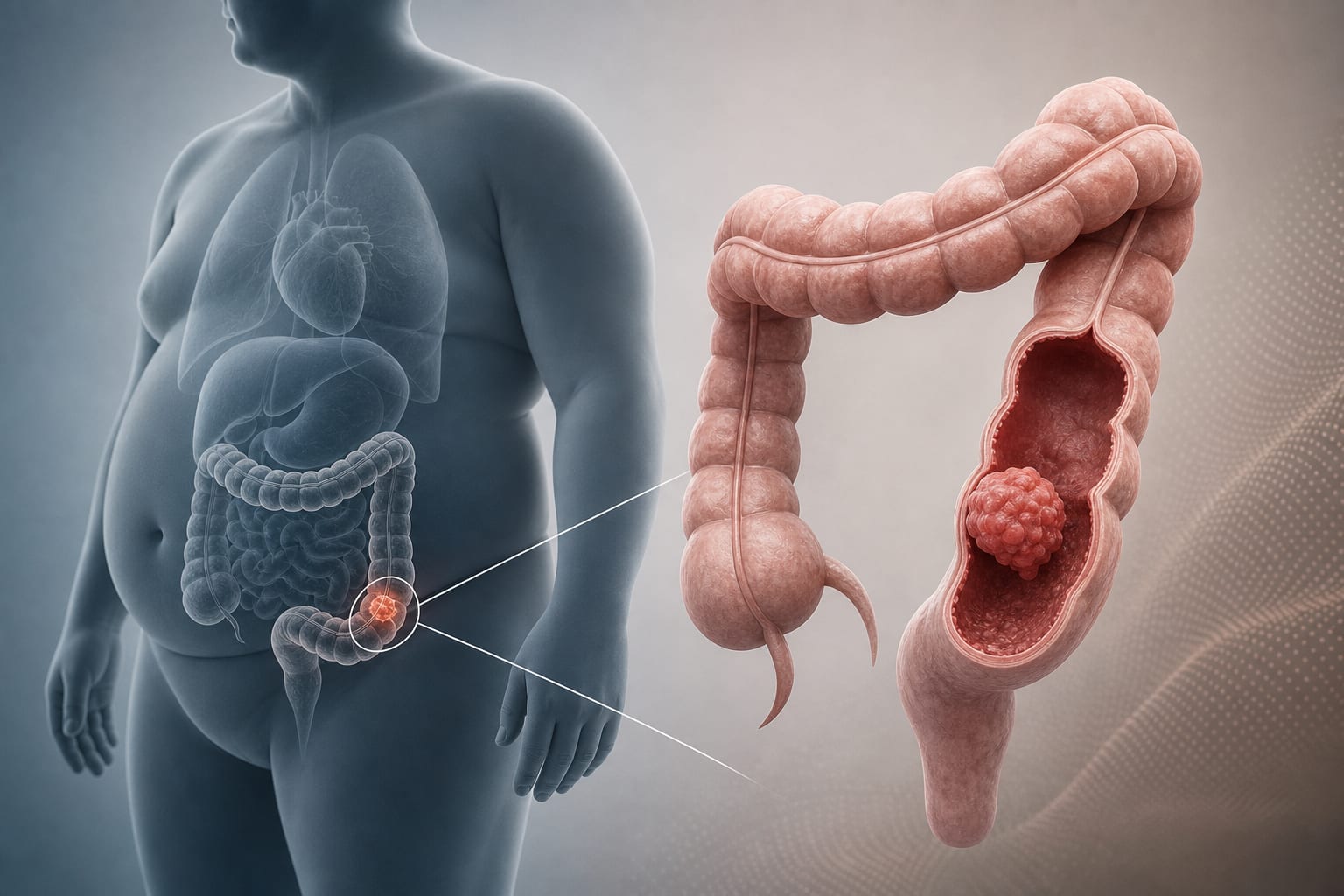
Folic Acid Deficiency and Radiological Sarcopenia Increase Anastomotic Leak Risk in Colorectal Surgery
Overview
This prospective cohort study found that folic acid deficiency is significantly associated with radiological sarcopenia in colorectal cancer surgical patients. Radiological sarcopenia, defined by low psoas muscle density on CT, correlates with a higher risk of anastomotic leaks and postoperative complications.
Background
Sarcopenia, characterized by loss of muscle mass and quality, is a marker of frailty linked to increased postoperative morbidity and mortality. Radiological assessment via CT scans provides an objective measure of muscle density, identifying sarcopenia and myosteatosis. Folic acid (FA) plays a crucial role in muscle regeneration and energy metabolism, and its deficiency has been associated with clinical sarcopenia and neuromuscular diseases. This study investigates the relationship between FA deficiency, radiological sarcopenia, and anastomotic leak risk in colorectal cancer surgery.
Data Highlights
Parameter
Sarcopenic Patients (n=40)
Non-Sarcopenic Patients (n=210)
p-value
Mean Psoas Density (HU)
31.92 ± 5.84
50.01 ± 7.2
0.049
Preoperative FA Insufficiency (%)
60% (24/40)
2.4% (5/210)
Not specified
Radiological Sarcopenia Prevalence
16% (40/250)
84% (210/250)
Not specified
Key Findings
16% of colorectal cancer surgical patients were diagnosed with radiological sarcopenia based on psoas muscle density thresholds (men <34.4 HU, women <34.1 HU).
12% of patients had insufficient preoperative folic acid levels (≤ 2.7 ng/ml).
Among sarcopenic patients, 60% exhibited folic acid deficiency compared to only 2.4% in non-sarcopenic patients, indicating a strong association between FA deficiency and radiological sarcopenia.
Mean psoas muscle density was significantly lower in sarcopenic patients (31.92 HU) versus non-sarcopenic patients (50.01 HU), confirming the radiological diagnosis.
Radiological sarcopenia was linked to an increased risk of anastomotic leaks and postoperative complications, although specific relative risks were not provided.
Clinical Implications
Preoperative assessment of folic acid levels and radiological sarcopenia via CT imaging can identify colorectal cancer patients at higher risk of anastomotic leaks. Addressing folic acid deficiency and optimizing muscle mass before surgery may reduce postoperative complications. Incorporating muscle density measurements into routine preoperative evaluation could enhance risk stratification and guide nutritional or rehabilitative interventions.
Conclusion
Folic acid deficiency is strongly associated with radiological sarcopenia in colorectal cancer patients and may contribute to increased anastomotic leak risk. Early identification and correction of FA deficiency alongside muscle mass optimization represent modifiable factors to improve surgical outcomes.
References
Clinical Study June 2023-November 2024 -- The Role of Folic Acid Deficiency as a Modifiable Risk Factor for Anastomotic Leaks in Colorectal Cancer Surgical Patients