Prioritisation of assessments, diagnostic classifications, and outcome measures in Perthes disease: a Delphi survey of international health professionals - Report - MDSpire
Advertisement
Prioritisation of assessments, diagnostic classifications, and outcome measures in Perthes disease: a Delphi survey of international health professionals
Clinical Report: Assessment Prioritization in Perthes Disease
Background
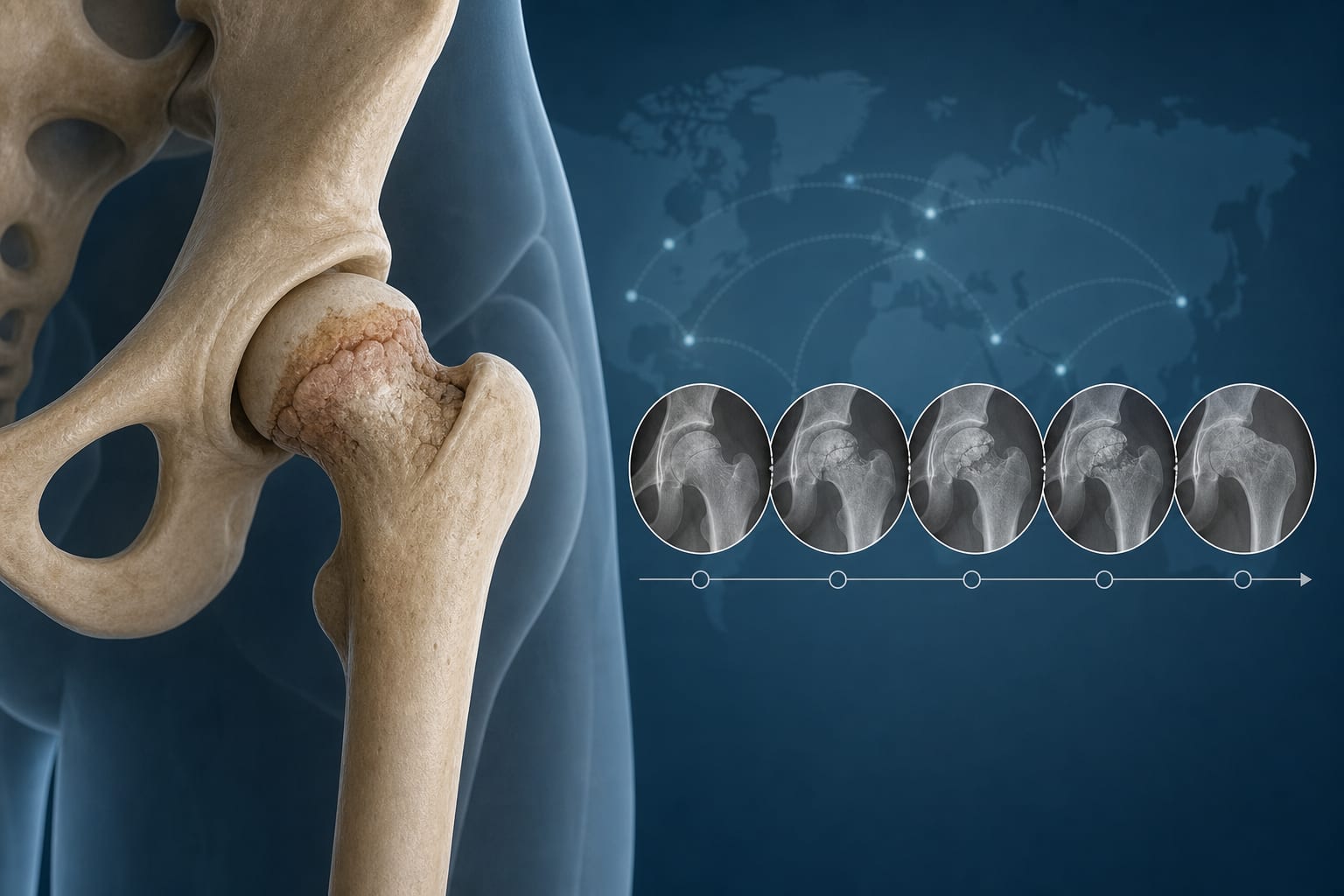
Legg-Calve-Perthes disease is a rare condition that can lead to pain and functional limitations in children and adolescents. Achieving expert consensus is crucial for improving consistency in the management of this condition.
Data Highlights
No numerical data was provided in the source material.
Key Findings
Perthes disease has a worldwide prevalence of 0.4–29.0 per 100,000 children.
There is a significant male predominance in Perthes disease, with a ratio of 5:1.
Current management approaches vary widely based on disease stage, age at onset, and physician preference.
No standardized methods exist for assessing or evaluating outcomes in Perthes disease.
A core outcome set has been developed to improve consistency in outcome reporting.
Clinical Implications
The findings emphasize the need for healthcare professionals to adopt standardized assessment and diagnostic methods for Perthes disease. Improved consistency in clinical practice may enhance communication among providers and families, ultimately leading to better patient outcomes.
Conclusion
The Delphi survey underscores the necessity for expert consensus in the assessment and management of Perthes disease. Establishing standardized practices is essential for improving care and outcomes for affected children and adolescents.