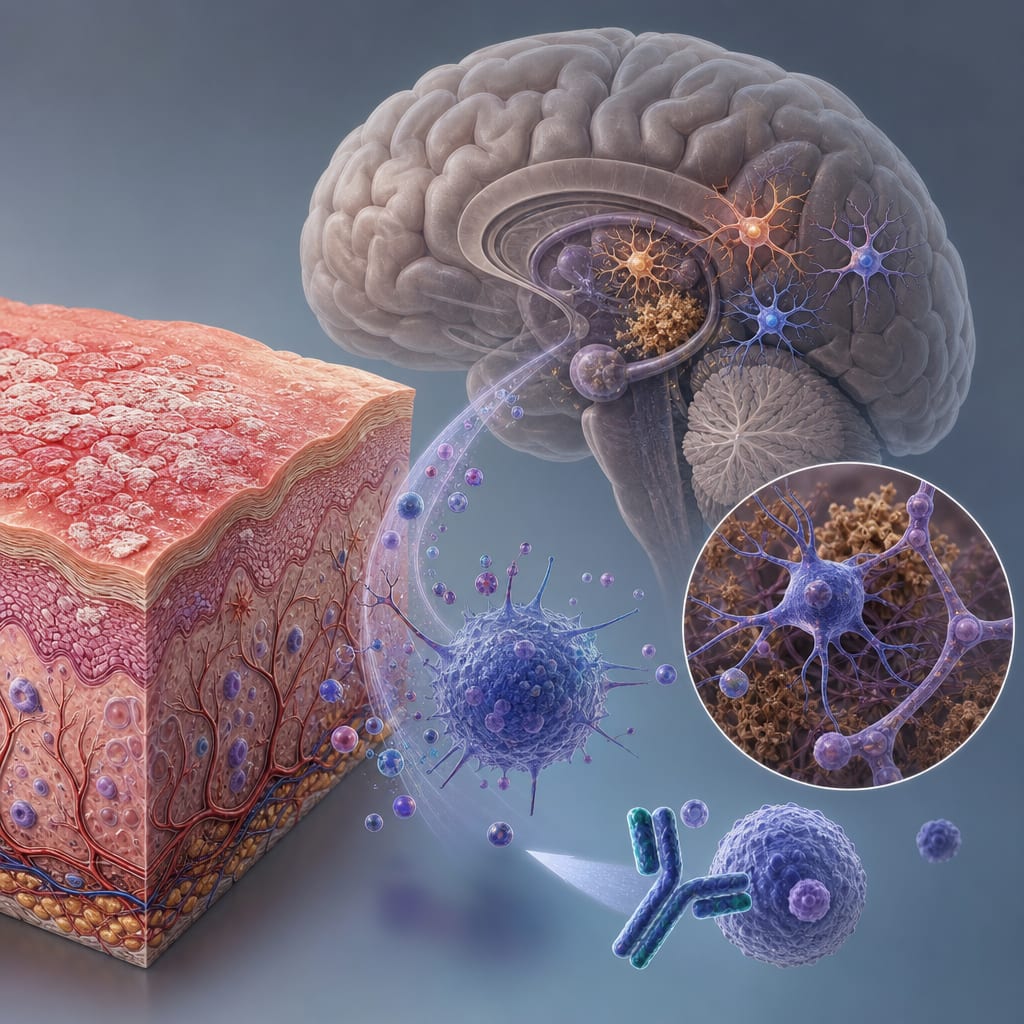
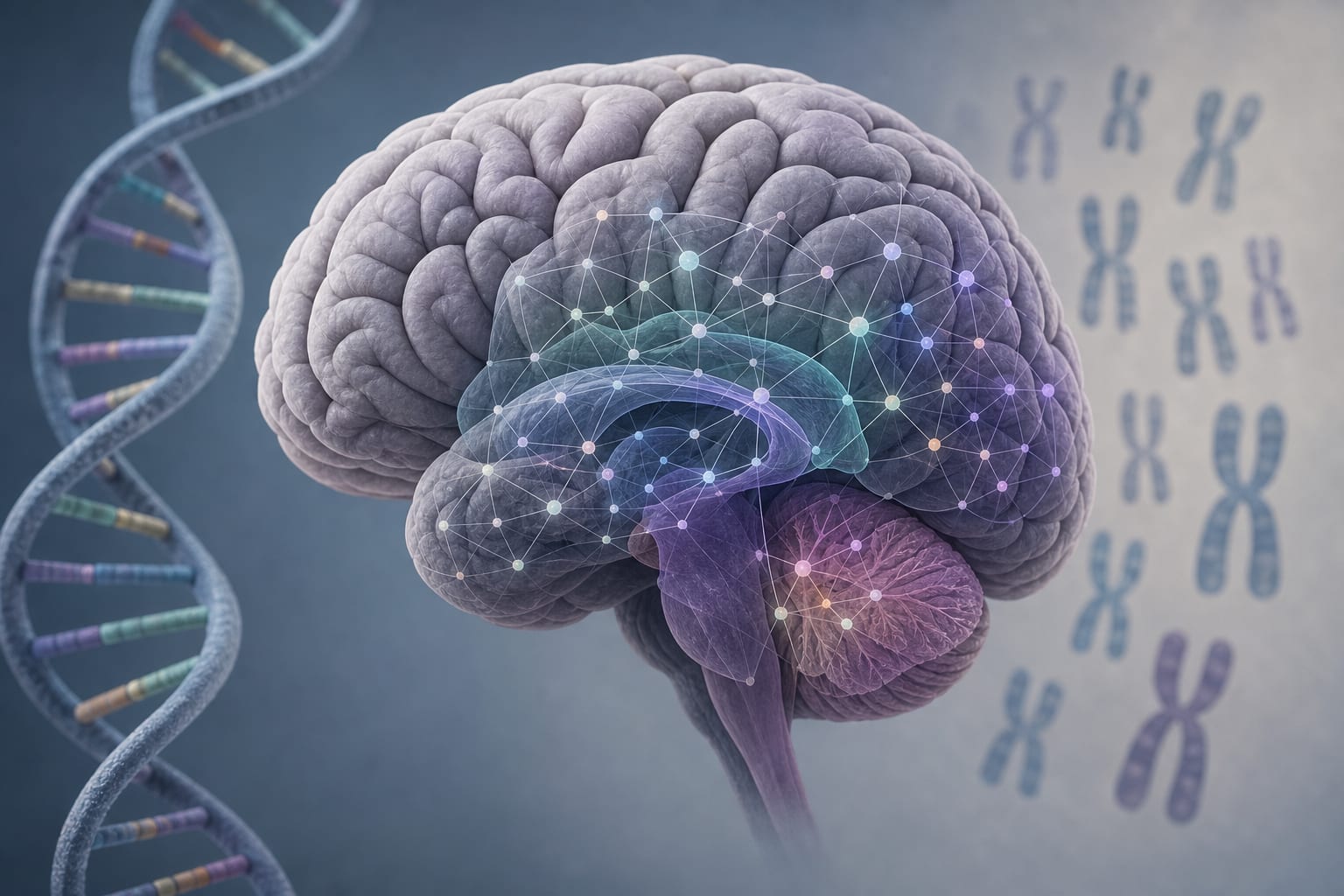
Cedars-Sinai researchers have identified structured brain activity that reflects knowledge gained through learning, highlighting the roles of abstraction and inference in cognition. The study utilized artificial intelligence to analyze neuron firing patterns in patients, revealing how these processes enable rapid adaptation to new situations.
Background
Understanding the neurological basis of cognitive processes such as abstraction and inference is crucial for advancing our knowledge of human learning and behavior. These processes are essential for adapting to new environments and making informed decisions. The findings from this study provide insights into how brain activity correlates with cognitive functions, which could have implications for treating neurological disorders.
Data Highlights
The study involved 17 hospitalized patients with implanted electrodes, recording thousands of neuron firings during inference tasks. Key observations included geometric patterns of neuron activity that correlated with successful inference.
Key Findings
Structured brain activity reflects the processes of abstraction and inference in human cognition.
Participants demonstrated the ability to infer correct responses without relearning after a rule change.
Neural coordination patterns were observed in successful participants, akin to birds flying in formation.
Verbal instructions led to similar neural geometries as experiential learning, indicating a shared neural basis for knowledge acquisition.
The study utilized AI to analyze complex neuron firing patterns, revealing insights into cognitive processes.
Clinical Implications
The identification of neural patterns associated with cognitive processes can inform therapeutic strategies for neurological conditions. Understanding how abstraction and inference manifest in brain activity may enhance approaches to cognitive rehabilitation and learning interventions.
Conclusion
This study provides a foundational understanding of how structured brain activity underpins cognitive processes, with potential applications in clinical settings for improving learning and adaptation strategies.
Swedish study finds two-way associations between premenstrual disorders and psychiatric conditions, with strongest links involving depression, anxiety, attention-deficit/hyperactivity disorder, bipolar disorder, and personality disorders.