Immunomodulation for stroke-associated pneumonia: a systematic review of mechanistic insight and emerging therapeutic strategies in animal models - Report - MDSpire
Clinical Report: Immunomodulatory Approaches for Pneumonia Related to Stroke
Overview
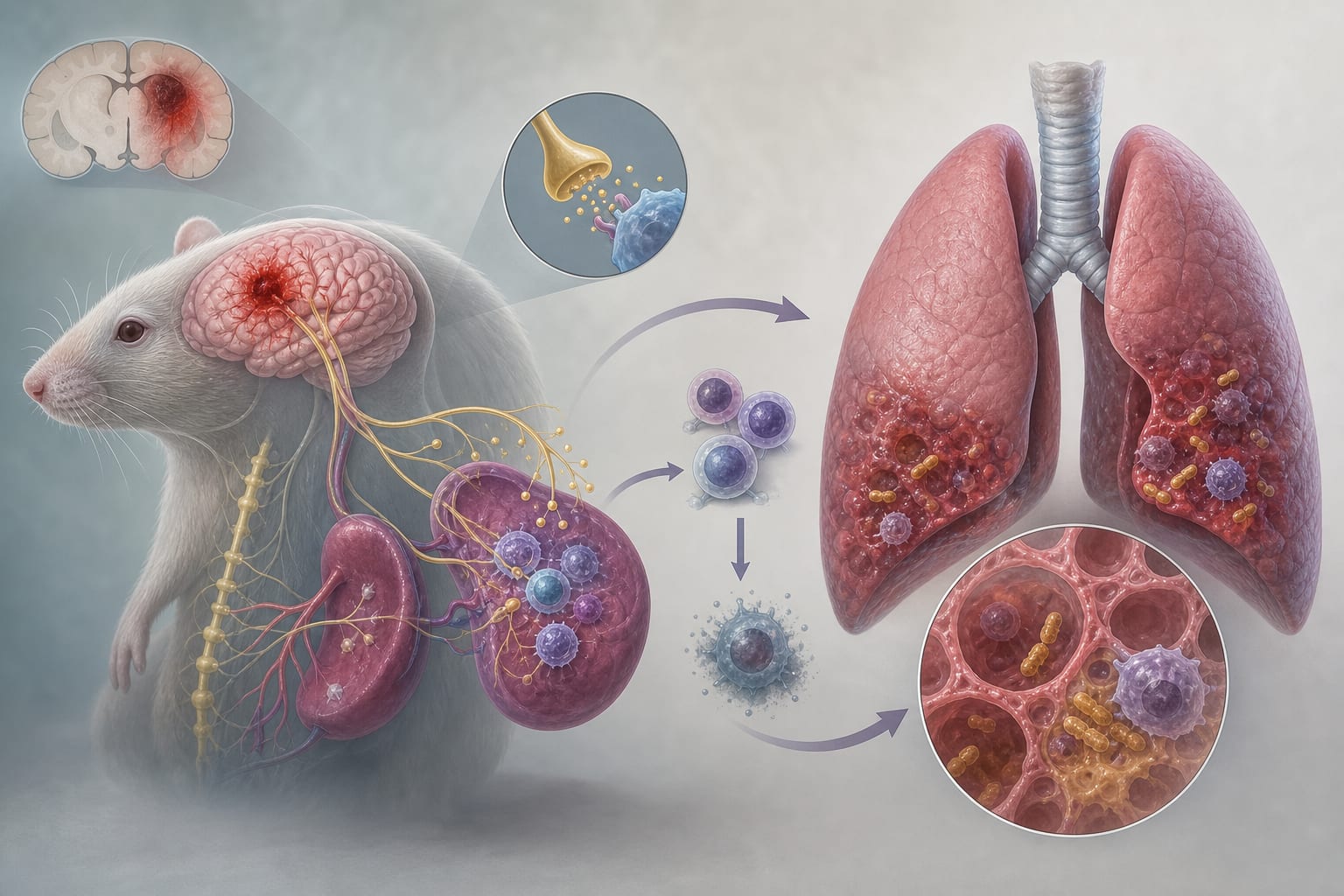
This review highlights the immunopathology of stroke-associated pneumonia (SAP) and evaluates immune-targeted strategies based on findings from 38 studies, indicating stroke-induced immunosuppression as a key factor in SAP development.
Background
Stroke is a leading cause of death and disability worldwide, with a significant risk of post-stroke infections, particularly pneumonia. Approximately 30% of acute stroke patients develop infections, with pneumonia rates reaching 10%, contributing to increased mortality. Understanding the immune dysregulation following stroke is crucial for developing effective prevention and treatment strategies for SAP.
Data Highlights
No numerical data or trial results are provided in the source material.
Key Findings
Stroke severity disrupts immune homeostasis, leading to SAP through a complex network.
Systemic immunosuppression is primarily driven by sympathetic nervous system overactivation, resulting in splenic atrophy and lymphocyte apoptosis.
Active intercellular suppression, such as monocyte-mediated T cell death, compromises immunity further.
Disruption of the gut-lung axis and local pulmonary alterations are implicated in SAP development.
Immunomodulatory interventions, like iNKT cell activators, show promise in preclinical models.
Clinical Implications
Targeting immune mechanisms may provide new avenues for preventing and treating SAP, but most strategies remain experimental and require further validation.
Conclusion
This review highlights the need for continued research into immunomodulatory therapies for SAP, as current treatment options are limited and understanding the underlying mechanisms is essential for future developments.