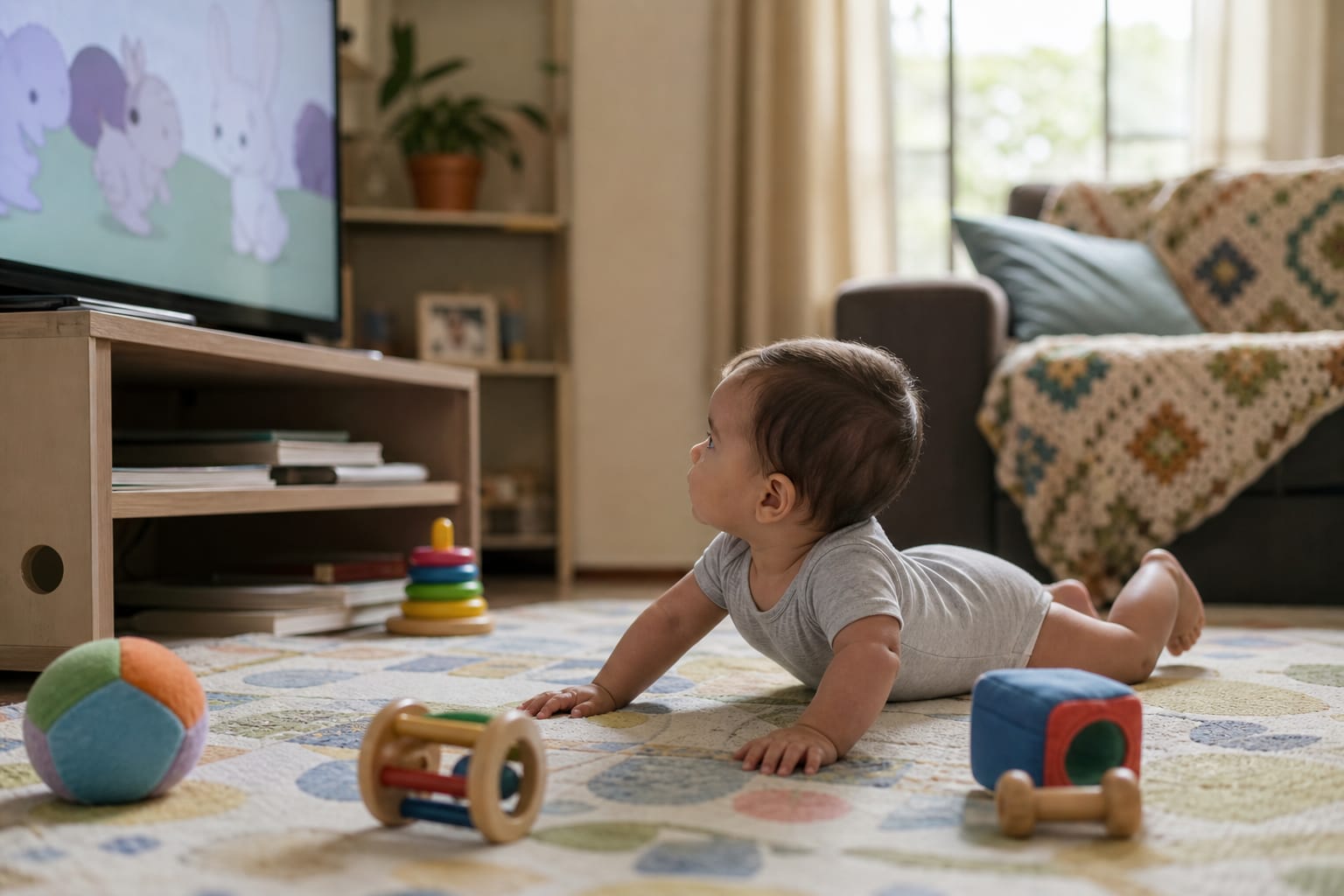
Impact of Early Screen Time on Motor Development in Infants
Overview
This study investigates screen time exposure in preterm and full-term infants and its potential impact on motor development.
Background
Screen exposure in early childhood is a growing concern due to its potential negative effects on physical and cognitive development. Understanding the differences in screen time exposure between preterm and full-term infants is crucial, particularly in developing countries where such data is limited.
Data Highlights
The median screen exposure for full-term infants was 3.5 hours per week, while preterm infants had a median of 0 hours per week. Parents of preterm infants reported watching television for a median of 17.5 hours, compared to 12 hours for parents of full-term infants. A significant correlation was found between parental television viewing and preterm infants' screen exposure (rho = 0.583; p = 0.047).
Key Findings
No statistically significant difference in screen exposure between full-term and preterm infants was observed.
Full-term infants exhibited a trend toward longer screen exposure compared to preterm infants.
Parental screen time was significantly correlated with preterm infants' screen exposure.
Family income was associated with motor development as measured by the AHEMD-IS (rho = 0.581; p = 0.047).
Clinical Implications
Healthcare professionals should inform parents about the potential risks associated with excessive screen exposure in infancy. Emphasizing the importance of a conducive home environment for motor development can help mitigate these risks.
Conclusion
The study highlights the need for increased awareness among parents regarding screen time and its potential impact on infant motor development, particularly for preterm infants.
by Amanda dos S. Erhardt, André Luis Ferreira de Meireles, Natália Alves Menegol, Anilsa Suraya Gaspar Francisco Gulonda, Bruna Frata, Dayane Montemezzo, Luciana Sayuri Sanada