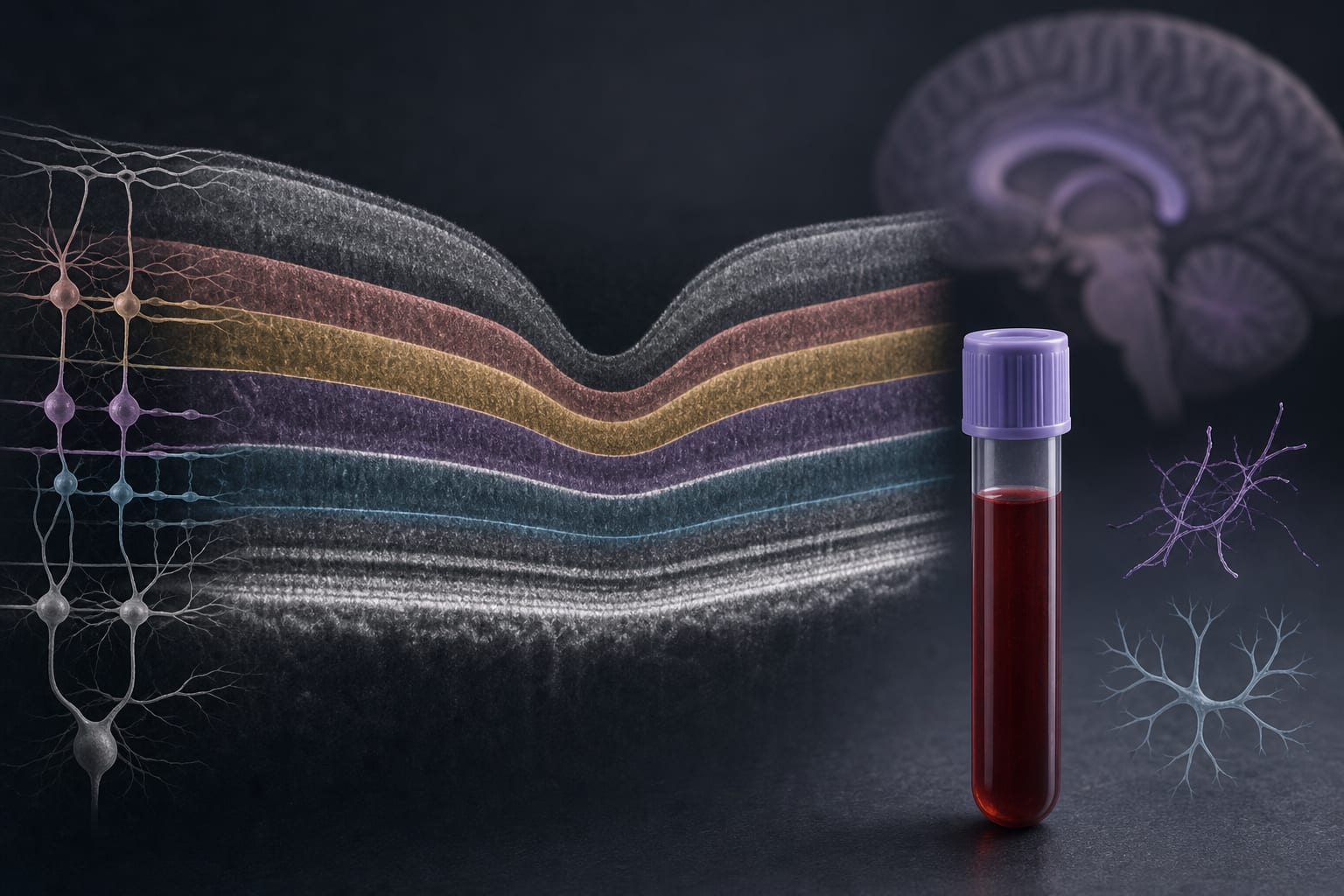
Clinical Report: Renal Function and Its Link to Neurodegenerative Disorders
Overview
Chronic kidney disease (CKD) is increasingly recognized as a factor influencing neurodegenerative disorders such as Alzheimer's disease (AD) and Parkinson's disease (PD). Shared risk factors and potential mechanistic links suggest that kidney health may impact brain health and cognitive function.
Background
CKD is characterized by decreased kidney function and is diagnosed by reduced eGFR or elevated urinary albumin-to-creatinine ratio. It affects approximately 11%–13% of the general population and up to 40% of those over 60 years old. Dementia, primarily caused by AD, affects millions globally and is a leading cause of mortality. Both CKD and neurodegenerative diseases share common risk factors including hypertension, diabetes, and vascular dysfunction, suggesting a possible interrelationship between kidney and brain health.
CKD increases risk of cognitive impairment across age groups and is prevalent in 30%–60% of persons with dementia.
AD and PD share several risk factors with CKD, including hypertension, diabetes, and vascular dysfunction.
Neuropathological features of AD (amyloid-β plaques, tau tangles) and PD (dopaminergic neuron loss, α-synuclein accumulation) may be influenced by systemic factors linked to kidney health.
Individuals with PD and renal insufficiency often experience more severe cognitive and psychological symptoms.
Mechanistic hypotheses include vascular dysfunction, neuroinflammation, oxidative stress, and shared genetic factors linking kidney and brain pathology.
Clinical Implications
Monitoring and managing kidney function may provide an important avenue to mitigate cognitive decline and neurodegeneration. Clinicians should consider the presence of CKD as a potential modifier of neurodegenerative disease progression and incorporate kidney health assessment into comprehensive care for patients at risk of or diagnosed with dementia or Parkinson's disease.
Conclusion
Emerging evidence supports a significant association between renal dysfunction and neurodegenerative disorders, highlighting the need for integrated research and clinical strategies to address these interconnected conditions. Future studies should aim to clarify mechanisms and identify actionable interventions to improve outcomes in both kidney and brain health.
References
Review Article 2024 -- Exploring the Connection Between Renal Function and Neurodegenerative Disorders