Clinical Report: Investigating the Incidence and Contributing Factors of Acute Kidney Injury in Patients Following Orthopedic Surgery
Overview
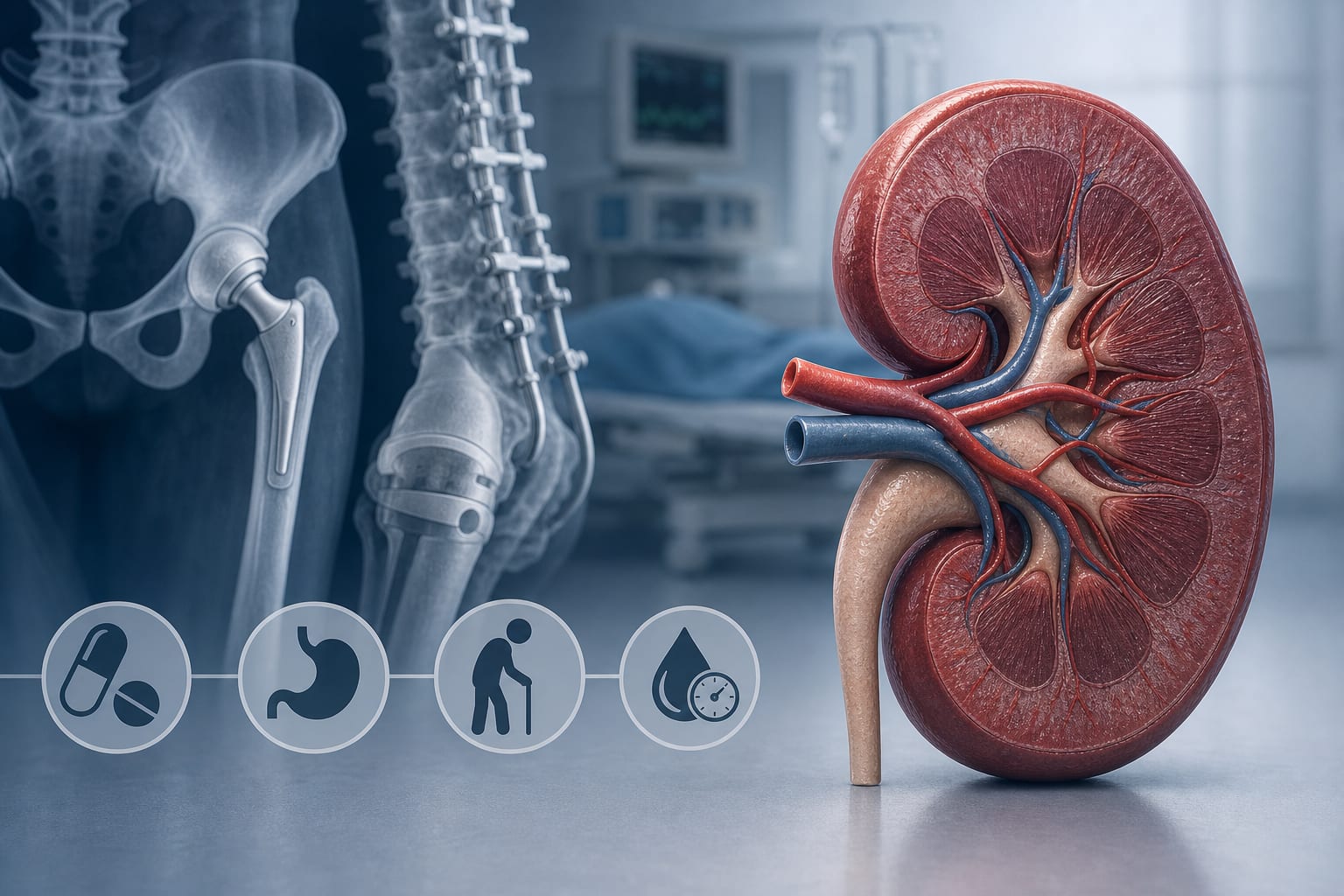
This study investigates the prevalence and risk factors for acute kidney injury (AKI) in orthopedic surgery patients, finding an overall prevalence of 3.47%. Key risk factors identified include bone tumor surgery, preoperative proteinuria, and the use of certain medications.
Background
Acute kidney injury (AKI) is a significant complication following orthopedic surgery, associated with increased morbidity and prolonged hospital stays. The incidence of AKI in surgical patients is concerning, particularly in the context of rising prevalence rates.
Data Highlights
Group
AKI Prevalence
Overall
3.47%
Bone Tumor Surgery
11.36%
Spinal Surgery
2.46%
Key Findings
AKI occurred in 97 out of 2,796 patients, resulting in a prevalence of 3.47%.
The highest incidence of AKI was observed in patients undergoing bone tumor surgery (11.36%).
Patients in the AKI stage 3 group had longer hospital stays compared to other groups (P < 0.001).
Independent risk factors for AKI included bone tumor surgery, preoperative proteinuria, elevated urea, decreased hemoglobin, and the use of PPIs and NSAIDs.
AKI is associated with significant morbidity and increased healthcare costs in orthopedic surgery patients.
Clinical Implications
Clinicians should be aware of the elevated risk of AKI in patients undergoing orthopedic surgery, especially those with bone tumors.
Conclusion
The study highlights the risk of AKI following orthopedic surgery, particularly in specific surgical contexts.