Coaching in Palliative Care for Family Caregivers of Patients Facing Advanced Cancer
Overview
This study evaluates the impact of a lay coach-led telehealth intervention on family caregivers of patients with newly diagnosed advanced cancer, focusing on caregiver distress, quality of life, and burden over a 24-week period.
Background
Family caregivers of patients with advanced cancer face significant emotional and logistical challenges, particularly among African American and rural-dwelling populations. These caregivers often lack access to formal support resources, leading to increased burden and potential negative effects on the care they provide. Addressing the needs of these caregivers is crucial for improving both caregiver and patient outcomes.
Data Highlights
No specific numerical data or trial results were provided in the source material.
Key Findings
The ENABLE Cornerstone intervention was designed to support African American and rural-dwelling family caregivers.
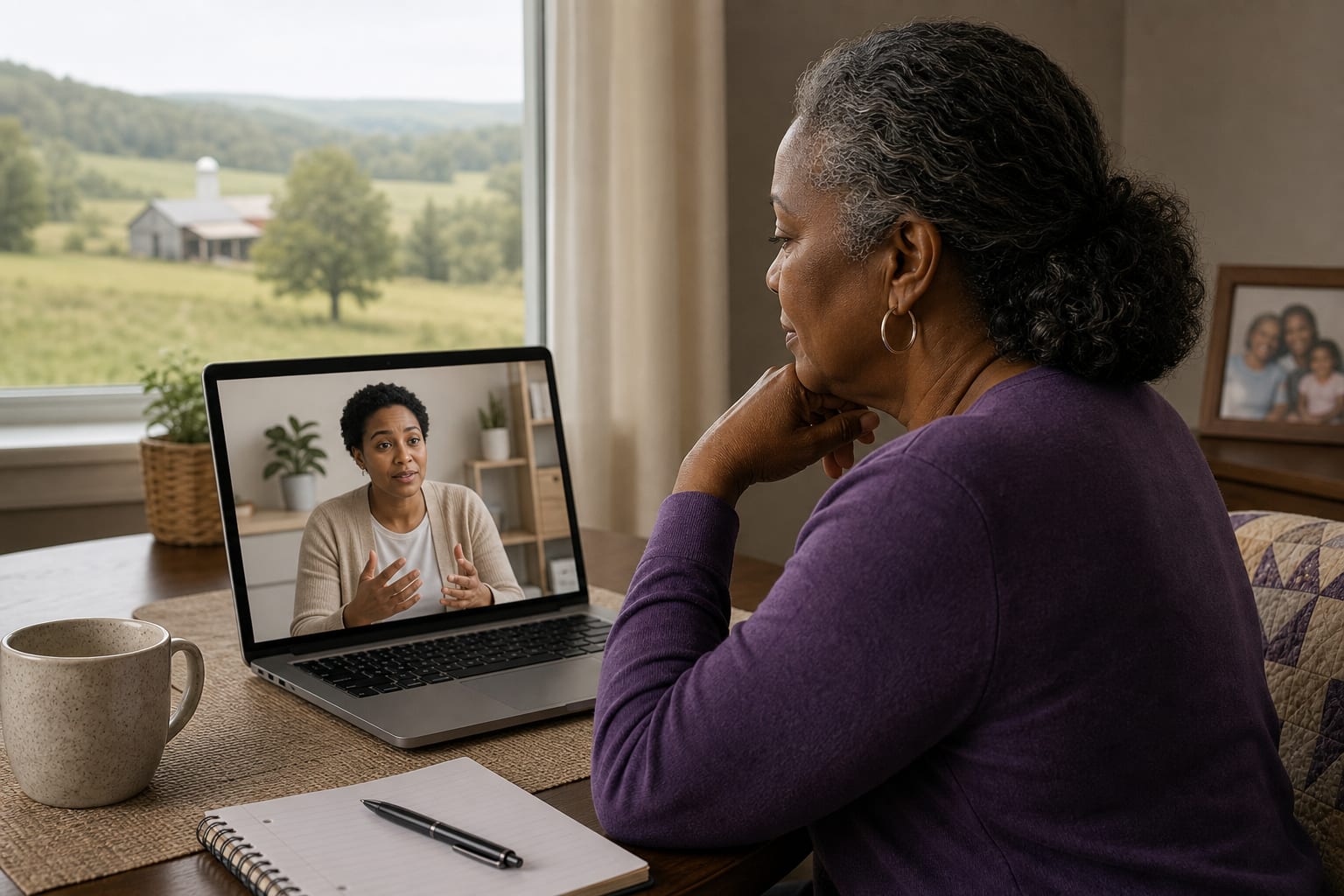
Caregivers received coaching on stress management, coping strategies, and decision-making through telehealth sessions.
The study was a single-blind randomized clinical trial conducted across two sites.
Caregivers were compensated for their participation in the study.
Eligibility criteria included being an unpaid caregiver for a patient with newly diagnosed advanced cancer.
Clinical Implications
Understanding the specific challenges faced by family caregivers can inform future support programs.
Conclusion
The ENABLE Cornerstone study addresses gaps in support for family caregivers of patients with advanced cancer.
by J. Nicholas Odom, Andres Azuero, Richard A. Taylor, Jennifer Young Pierce, Chelsea L. McGowen, Maria Pisu, Gabrielle Rocque, Rhiannon D. Reed, Rachel Wells, Shena Gazaway, Sarah Mollman, Grant R. Williams, Chao-Hui Sylvia Huang, Sally Engler, Marie A. Bakitas