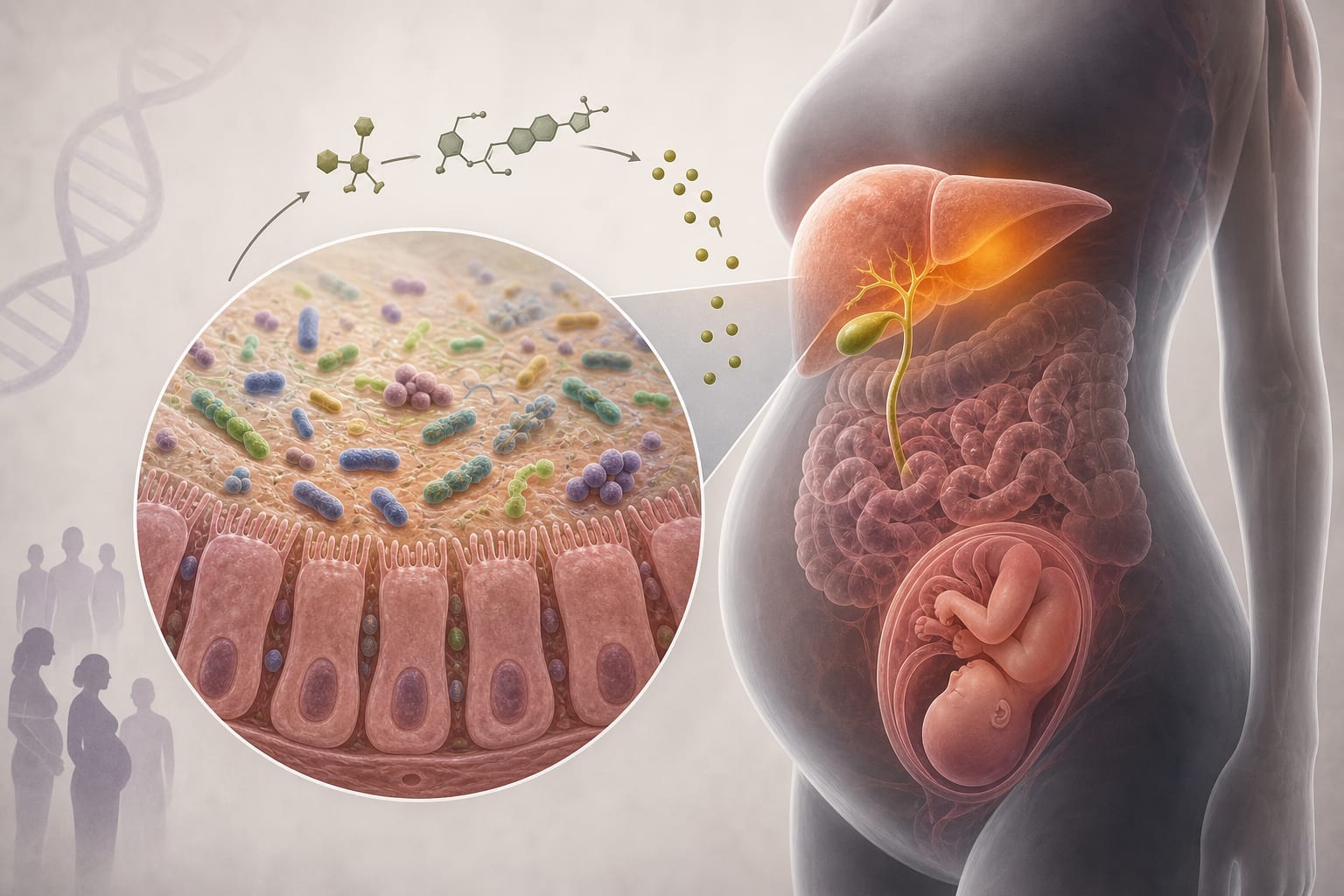
Clinical Report: Recent Progress in Embryo Development and Interaction
Overview
Recent advances in embryo development and the embryo-endometrial interface have significant implications for reproductive outcomes. Key studies have identified genetic determinants of reproductive failure and developed in vitro models for studying implantation.
Background
Understanding embryo development and the embryo-endometrial interface is critical for improving implantation success and pregnancy outcomes. Advances in reproductive technologies necessitate ongoing research to address challenges such as implantation failure and genetic factors affecting fertility.
Data Highlights
No numerical data or trial data presented in the editorial.
Key Findings
Pan et al. created a spatiotemporal transcriptomic atlas of human embryos, enhancing understanding of organogenesis.
Lin et al. identified CASZ1 as a key regulator in endothelial cell differentiation during mouse embryogenesis.
Zhang et al. assessed genetic determinants of oocyte and embryo competence, proposing a framework for classifying reproductive failures.
Molè et al. developed an in vitro implantation platform that mimics human endometrial conditions, aiding in the study of embryo implantation.
Fan et al. found no association between maternal thalassemia status and reproductive outcomes in IVF patients.
Du et al. demonstrated a correlation between endometrial thickness and live birth rates in IUI cycles.
Clinical Implications
These findings underscore the importance of genetic assessments in infertility diagnosis and the potential for in vitro models to enhance understanding of implantation processes. Clinicians should consider embryo developmental kinetics and endometrial characteristics when making treatment decisions.
Conclusion
The advancements in embryo development research and the embryo-endometrial interface provide valuable insights that can improve reproductive outcomes. Continued exploration in this field is essential for optimizing assisted reproductive technologies.