A machine learning model for diabetic retinopathy risk stratification using routine blood and urine parameters: insights into kidney-eye crosstalk - Report - MDSpire
Conexiant’s news site is now MDSpire News. Learn more
Advertisement
Development and External Validation of a Machine Learning Model for Assessing Diabetic Retinopathy Risk Utilizing Standard Blood and Urine Biomarkers: Exploring Kidney-Eye Interactions
Development and External Validation of a Machine Learning Model for Assessing Diabetic Retinopathy Risk
Overview
This study developed and validated a machine learning model for diabetic retinopathy (DR) risk assessment using standard clinical biomarkers. The model demonstrated an AUC of 0.841.
Background
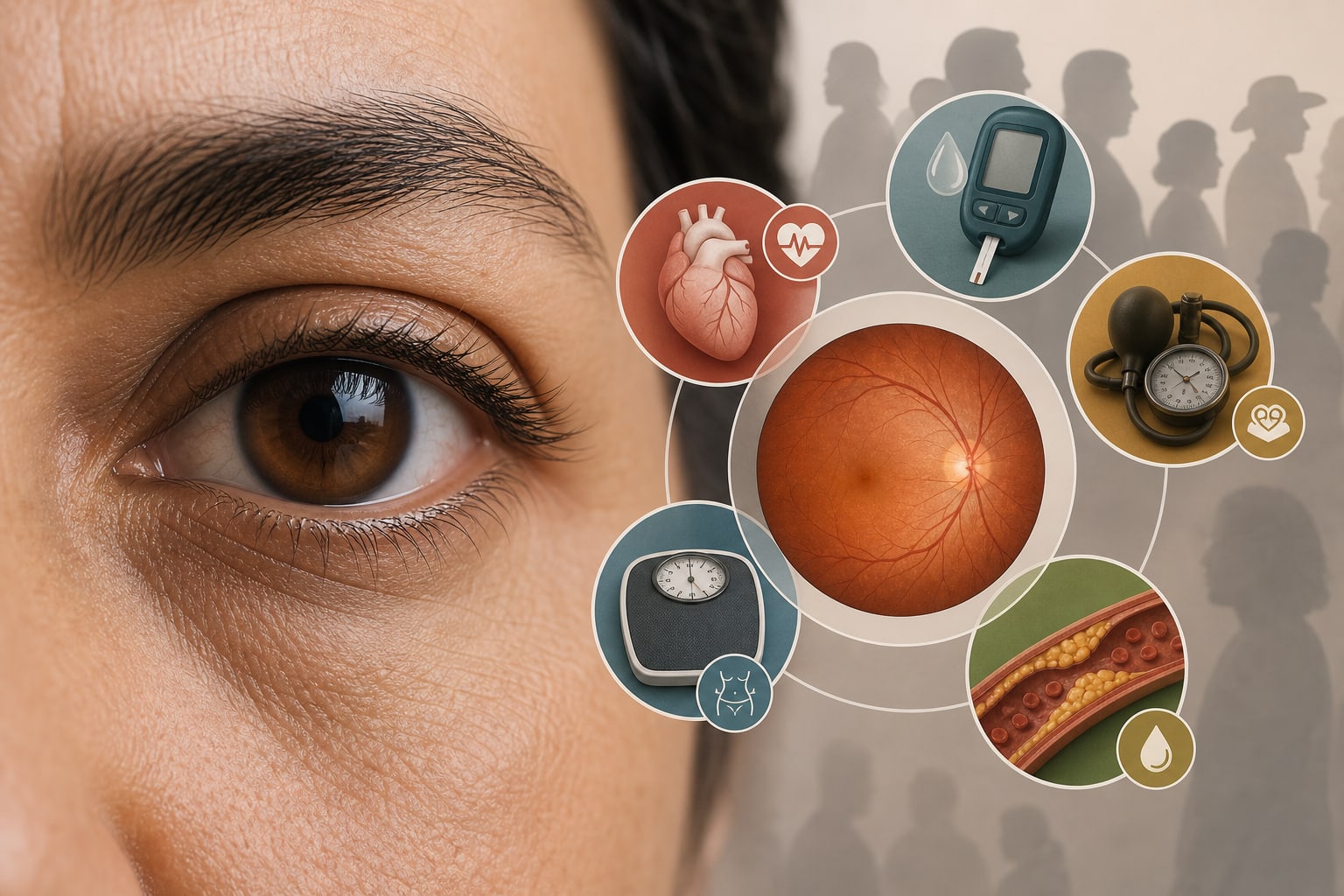
Diabetic retinopathy is a leading cause of vision loss among adults, with a significant global prevalence. Early detection is crucial as timely intervention can reduce the risk of severe vision loss. Current screening methods face challenges in accessibility and adherence.
Data Highlights
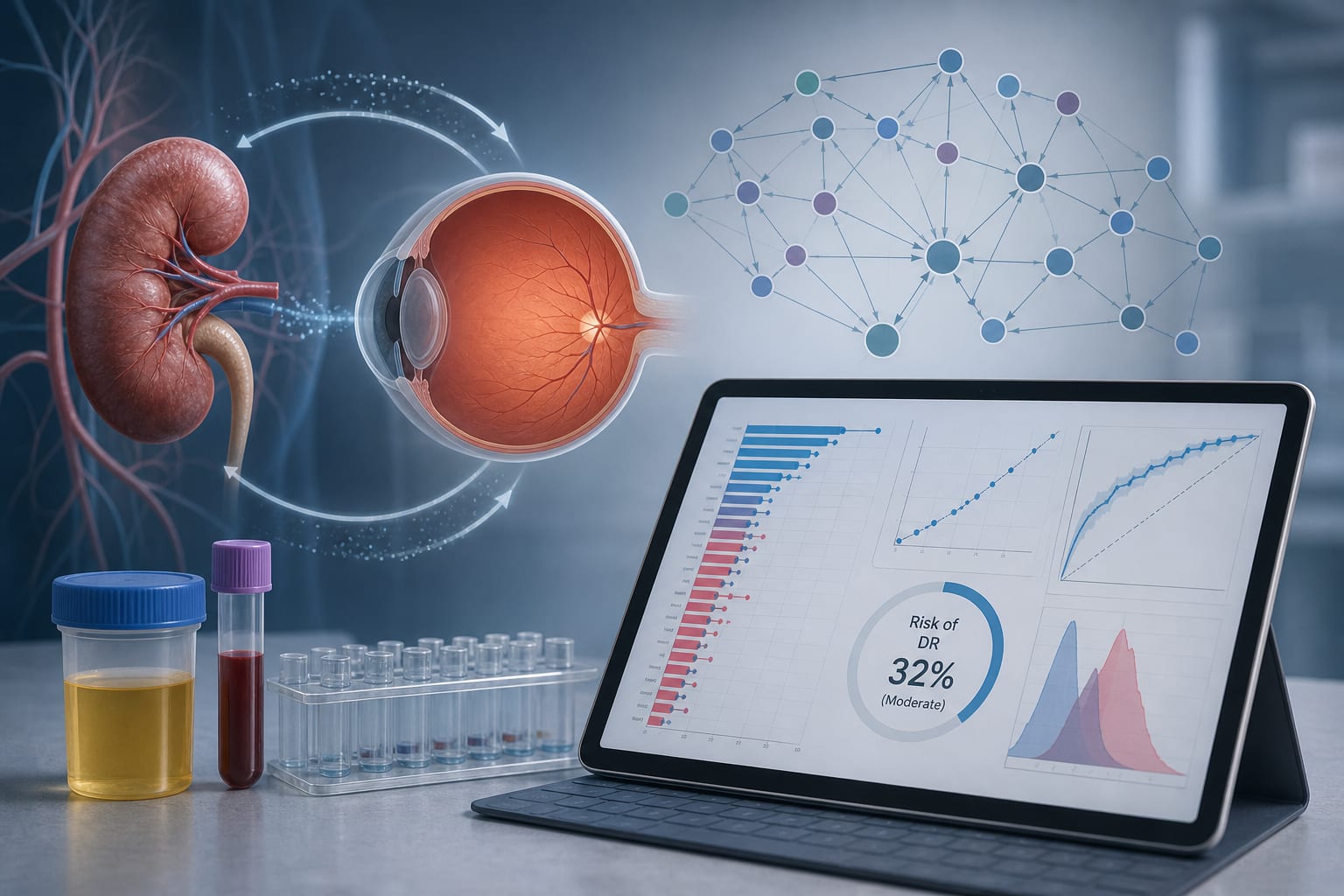
The LightGBM algorithm achieved an external validation AUC of 0.841 (95% CI: 0.809-0.862) using 14 key predictors related to glycemic control, renal function, and lipid metabolism.
Key Findings
The LightGBM model outperformed other algorithms in predicting DR risk.
Fourteen key predictors were identified, including urine protein, BUN, and HbA1c.
Probabilistic dependency structure revealed renal impairment markers as upstream drivers of DR.
The model integrates SHAP for personalized interpretability and Bayesian Network modeling.
This framework supports the development of a web-based clinical decision support system for DR screening.
Clinical Implications
The model provides a non-invasive tool for early DR screening using routine clinical biomarkers.
Conclusion
The study successfully developed a high-performing machine learning model for DR risk assessment, offering insights into the systemic interactions between kidney function and diabetic retinopathy.
A 20-week INSIGHT extension suggests that switching from reference aflibercept to MYL-1701P maintained comparable safety, visual, and anatomic outcomes in patients with diabetic macular edema.